
Travel North Vietnam During Rainy Season (2026): Weather, Safety Tips & Why It’s Worth Visiting
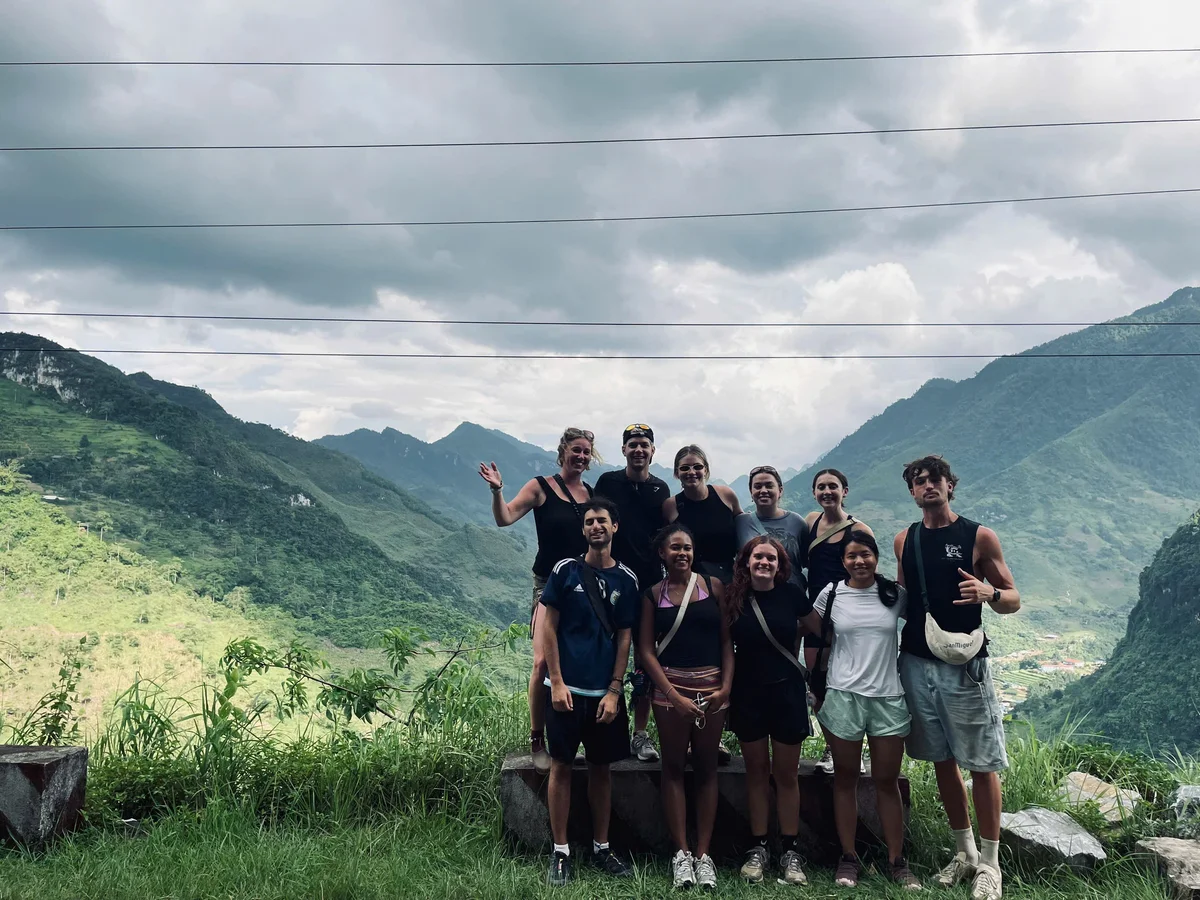
Travelling North Vietnam during rainy season (May to October) is a completely different experience from what many travellers expect.
Before you picture endless rain, cancelled plans, and spending your entire trip hiding indoors, there's something you should know: the wet season is actually one of the most underrated times to visit Northern Vietnam.
Thankfully, the rainy season isn't weeks of endless drizzle like a British winter. More often than not, it's a few dramatic afternoon downpours followed by sunshine, steaming streets and locals carrying on as if nothing happened.
One minute you're admiring Ninh Binh’s karsts beneath blue skies; the next you're huddled over a bowl of pho while rain pounds the pavement. Half an hour later? The sun's back out again.
In fact, some of Northern Vietnam's most spectacular scenery only exists because of the rainy season.
Rice terraces glow an impossible shade of green, waterfalls come to life, valleys fill with mist and mountain passes become even more dramatic.
Of course, travelling during the wet season does require a little extra planning. But with a flexible schedule—and by knowing what to expect—you can still have an unforgettable adventure.
From Hanoi's Old Quarter streets to the mountains passes of Ha Giang, the rice terraces of Sapa, the limestone landscapes of Ninh Binh, and the dramatic scenery of Ha Long Bay, this guide covers everything you need to know before you travel North Vietnam during rainy season.
When Is the Rainy Season in North Vietnam?
Unlike many countries, Vietnam doesn't have one nationwide rainy season.
That's because the country stretches over 1,600 kilometres from north to south, meaning different regions experience completely different weather patterns throughout the year.
While Central Vietnam is often dealing with typhoons later in the year, Northern Vietnam follows its own seasonal rhythm.
Here's what you can generally expect in 2026:
Month | Weather | Best For | Things To Consider |
May | Warm with increasing rain | Rice terraces, hiking | Humidity rising |
June | Green landscapes, occasional storms | Sapa, Ha Giang | Hot afternoons |
July | Lush scenery, heavier rain | Photography, fewer crowds | Mountain roads wetter |
August | Peak greenery | Waterfalls, dramatic scenery | Highest rainfall |
September | Rain easing | Comfortable travel | Occasional storms |
The important thing to remember is that rain rarely lasts all day.
Instead, most showers arrive during the afternoon or early evening before clearing relatively quickly. That leaves mornings perfect for sightseeing, cafés, viewpoints and even plenty of outdoor adventures.
For the full rainy season weather breakdown, click here: Ha Giang Loop Weather in Rainy Season: What to Expect from May to September.
What Is the Rainy Season Actually Like?
One of the biggest misconceptions about travelling North Vietnam during rainy season is that you'll spend your holiday soaked from sunrise until sunset.
Reality is much kinder and most days follow a fairly predictable pattern.
You'll often wake up to warm sunshine, spend the morning exploring temples, viewpoints or cafés, then notice darker clouds building after lunch.
A heavy tropical shower rolls through, everyone takes shelter at a coffee shop for forty-five minutes, and before long the streets are back to their busy normal again.
Of course, there are exceptions.
Mountain regions like Ha Giang and Sapa sometimes experience longer periods of rain, particularly during July and August, while coastal destinations such as Ha Long Bay occasionally pause cruises if tropical storms move into the Gulf of Tonkin.
Is It Worth It to Travel North Vietnam During Rainy Season?
Yes, as long as you're prepared to be a little flexible. Travelling during the rainy season comes with some surprisingly big advantages.
1. The Landscapes Are Incredible
This is arguably Northern Vietnam at its most beautiful.
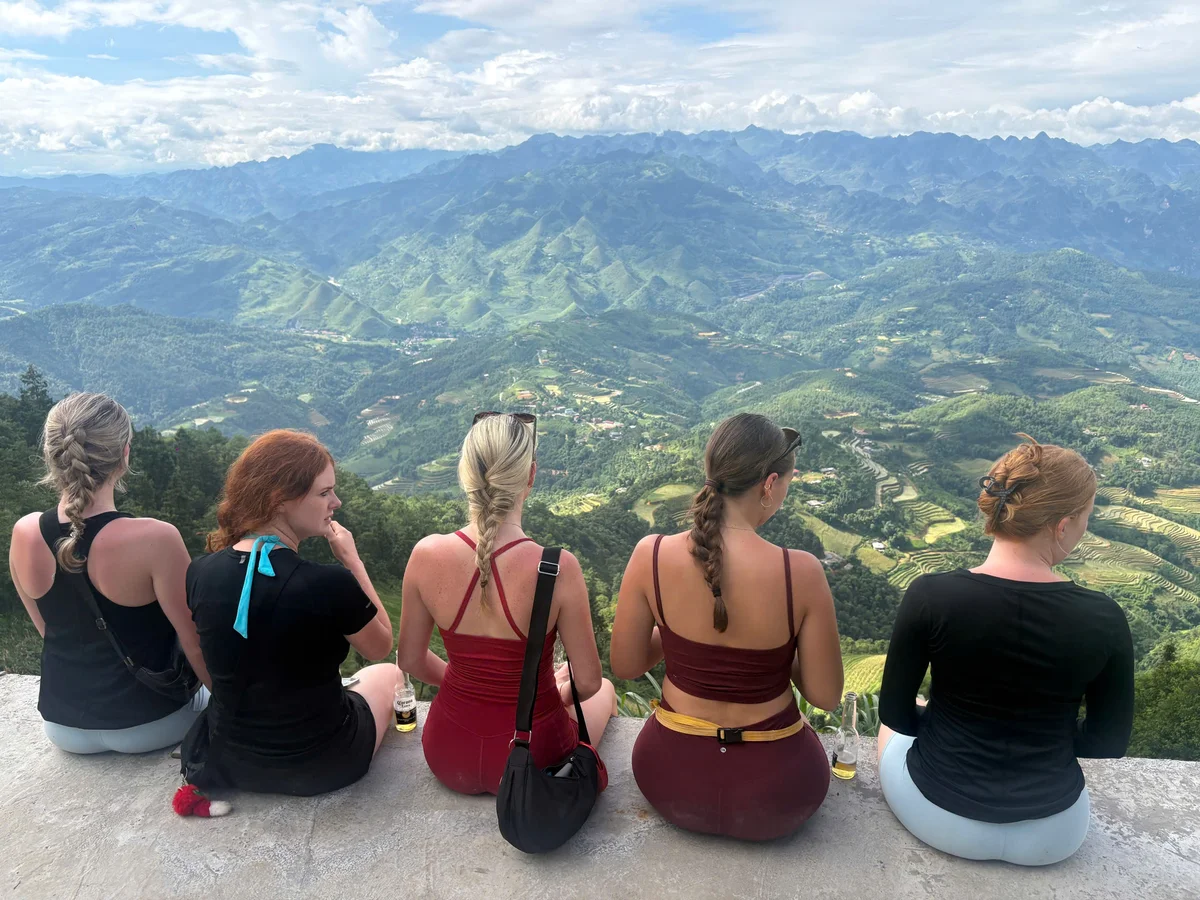
The rice terraces around Sapa and Ha Giang become dazzling shades of green, rivers swell through limestone valleys, waterfalls thunder down cliffs and low-hanging clouds create the kind of scenery photographers dream about.
It's no coincidence that many of Vietnam's most iconic landscape photos are taken during or just after the rainy season.
Want to discover Northern Vietnam’s most beautiful rice fields? Check out our guide to The Best Rice Terraces to See in North Vietnam.
2. You'll Escape the Biggest Crowds
Nobody enjoys travelling hundreds of kilometres to reach an incredible viewpoint only to spend twenty minutes trying to take a photo without someone's head appearing in the background.
One of the biggest benefits of travelling during rainy season is simply having more space.
Popular destinations like Ninh Binh, Sapa and Ha Giang are noticeably quieter compared to the busiest months.
You can enjoy viewpoints without the crowds, spend longer chatting with locals, and experience villages at a slower pace.
Northern Vietnam already feels worlds away from the busy cities.
During rainy season, that feeling becomes even stronger.
3. Rainy Season Can Be Much Better For Your Budget
If you're travelling on a backpacker's budget, the rainy season can be one of the smartest times to visit Northern Vietnam.
During the wetter months, accommodation, transport, and tours often have better availability and more competitive prices.
Hotels and hostels may offer seasonal promotions, and booking activities can sometimes be easier compared to the busiest travel periods.
At Bong Hostel, we also run summer promotions during rainy season, giving travellers the chance to save on selected stays, Ha Giang Loop tours and travel packages.
So if you're planning your Northern Vietnam adventure, it’s always worth checking our latest offers before booking.
A little rain could mean a little extra money left over for the important things… Like more Vietnamese coffee.
4. Waterfalls Are At Their Most Powerful
If you've only ever seen Northern Vietnam's waterfalls during the dry season, you're in for a surprise.
Summer rain transforms gentle streams into powerful cascades.
Even along the roadside around Ha Giang and Cao Bang you’ll notice seasonal waterfalls that I promise aren't there in the Autumn, Winter, or even Spring months!
A quick word of caution though: powerful waterfalls are beautiful to admire, but not always safe to swim in.
Fast-moving currents, submerged rocks and changing water levels can make conditions unpredictable after heavy rainfall.
When in doubt, ask a local guide before jumping in.
5. Northern Vietnam is at its Most Photogenic
Ask photographers when they prefer shooting landscapes and you'll rarely hear "midday sunshine."
Rainy season creates soft lighting, dramatic clouds, rolling mist, and vivid colours that make Northern Vietnam look extraordinary.
Sometimes the best weather isn't sunshine at all.
Discover the best places to photograph North Vietnam here: 12 Best Photo Spots on the Ha Giang Loop (With Map Pins and 15+ Photography Tips).
The Honest Downsides of Travelling During Rainy Season
Rainy season is beautiful, but it wouldn't be fair to pretend there are no challenges.
The key is understanding what can change and planning accordingly.
1. Mountain Roads Require More Care
The biggest consideration for adventurous travellers is transportation.
Northern Vietnam's mountain roads are already famous for their dramatic bends, steep climbs and incredible viewpoints.
Add heavy rain into the mix and conditions become more challenging.
Roads can become slippery, fog can reduce visibility, and after prolonged rainfall there may occasionally be small landslides affecting mountain routes.
This doesn't mean you can't visit, it simply means you need to respect the conditions.
Experienced local riders know these roads extremely well, which is why many travellers choose an Easy Rider during rainy season.
You still get every incredible viewpoint—without having to concentrate on every wet corner.
Looking for more advice? Read our complete guide to Rainy Season on the Ha Giang Loop: Tips, Safety, & What to Expect.
2. Trekking Requires More Flexibility
If you're planning long mountain hikes around Sapa or remote parts of Ha Giang, expect muddy trails after heavy rainfall.
Some routes remain perfectly manageable, while others may be temporarily closed if conditions become unsafe.
It's always worth checking local advice before setting off.
3. Ha Long Bay Cruises Can Occasionally Be Cancelled
July and August bring the highest chance of tropical storms affecting Ha Long Bay.
Cruise companies monitor weather closely and will postpone or cancel departures if conditions aren't safe.
Although this can be frustrating, it's reassuring to know operators prioritise passenger safety over sticking rigidly to schedules.
If your 2026 itinerary allows, leave a little flexibility around your cruise dates just in case.
The Best Destinations in North Vietnam During Rainy Season
Not every destination experiences rainy season in quite the same way.
Here's what to expect across Northern Vietnam's most popular spots.
1. Lazy Days in Hanoi
If there's one city that somehow looks even better in the rain, it's Hanoi.
Tree-lined boulevards glisten, tiny alleyways come alive with steaming food stalls and locals simply carry on with life beneath colourful ponchos.
Afternoon showers are common between May and September, but they're rarely enough to stop sightseeing altogether.
In fact, rainy afternoons are the perfect excuse to:
Try famous Hanoi egg coffee
Visit museums and temples
Wander covered markets
Enjoy a long lunch over steaming bowls of pho or bún chả
Duck into hidden cafés overlooking Train Street
By evening, temperatures often become noticeably more comfortable once the rain has cleared.
Wondering where to stay in Hanoi? Click here for our breakdown of the city: Where to Stay in Hanoi (2026): Old Quarter vs French Quarter.
2. Experience the Ha Giang Loop When the Mountains Turn Green
Rain transforms Ha Giang into something extraordinary.
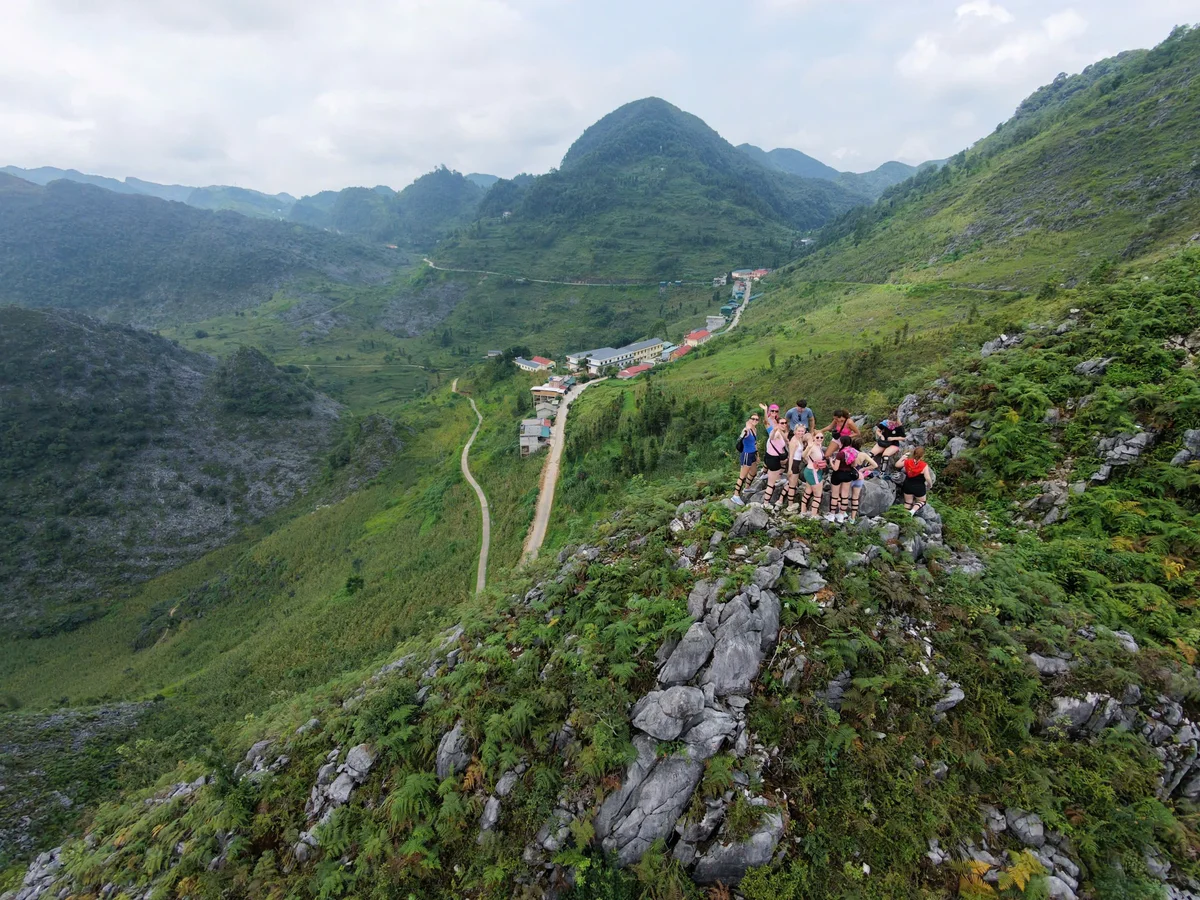
The limestone mountains become wrapped in drifting mist, waterfalls burst into life and every valley seems to glow bright green.
For photographers, it's one of the most rewarding times of year.
However, rainy season also demands the most respect.
Mountain roads can become slippery, visibility sometimes drops quickly and occasional landslides may temporarily affect sections of road after particularly heavy rainfall.
That's why locals always keep one simple rule in mind: If the rain becomes torrential, stop.
Find a roadside café, order an iced coffee, wait thirty or forty minutes and let the storm pass. Trying to push through heavy rain simply isn't worth the risk.
If you're not completely confident riding a motorbike in mountain conditions, rainy season is the perfect time to join an Easy Rider tour.
You'll still experience every breathtaking mountain pass while your experienced local driver handles the challenging conditions.
3. See Sapa's Rice Terraces Come Alive
While some travellers avoid Sapa during rainy season, we'd argue they're missing something special.
May and June mark the famous water-pouring season, when farmers flood the rice terraces before planting.
The result is one of Northern Vietnam's most spectacular sights—thousands of shimmering rice terraces reflecting the sky like giant mirrors.
As summer progresses, those same terraces transform into vibrant green staircases climbing into the clouds.
The trade-off? Trails can become muddy, fog sometimes hides the mountain views and longer treks may need adjusting depending on recent weather.
But if you're happy embracing the atmosphere rather than chasing perfect blue skies, rainy season reveals a quieter, moodier side of Sapa that's every bit as memorable.
4. Explore Ninh Binh Without the Crowds
Often nicknamed the "Ha Long Bay on land", Ninh Binh absolutely thrives during the rainy season.
One of the best things about visiting Ninh Binh during rainy season is that you can enjoy its famous attractions without the same crowds found during peak months.
A boat ride through Trang An or Tam Coc becomes a much calmer experience when you're surrounded by misty mountains rather than hundreds of other boats.
Cycling through villages is also particularly beautiful during this time.
The roads may be a little wetter, but the scenery makes up for it. Rice fields glow bright green, lotus flowers bloom across ponds and farmers continue working in the fields as they have done for generations.
For travellers who prefer slower, more authentic experiences, rainy season is arguably one of the best times to visit Ninh Binh.
5. Experience Ha Long Bay With a Little More Flexibility
Ha Long Bay is one of Vietnam's most famous destinations, and for good reason.
Thousands of limestone islands rising from the ocean is a sight that stays with travellers long after they leave.
Rainy season creates a completely different atmosphere.
Instead of bright sunshine and endless blue skies, you may find mist drifting between the karsts, softer light over the water and a quieter feeling across the bay.
However, Ha Long Bay is also one of the destinations where weather conditions matter most.
During July and August, tropical storms can occasionally affect cruises. Operators may delay or cancel departures if conditions become unsafe.
While this can be disappointing, it is important to remember that safety comes first.
The best way to handle Ha Long Bay during rainy season is simple:
Avoid planning your cruise with no flexibility before an international flight
Choose reputable operators with clear cancellation policies
Keep an eye on the forecast before departure
A little preparation means you can enjoy the bay without unnecessary stress.
Rainy Season Food Adventures: The Weather Is an Excuse to Eat More
One thing nobody tells you about travelling Vietnam during rainy season?
The weather gives you an excellent excuse to eat more.
When the skies open, there is something incredibly satisfying about sitting down with a steaming bowl of Vietnamese food while watching the rain outside.
Northern Vietnam has some of the country's best comfort foods, including:
Pho in Hanoi's Old Quarter
Bun cha with grilled pork and fresh herbs
Egg coffee when you need an afternoon energy boost
Hot pots shared with new friends after a mountain adventure
Rain also makes exploring local markets more interesting.
Covered markets become busy social spaces where locals shop, chat and escape the weather together.
Instead of rushing between attractions, rainy season encourages travellers to slow down and experience everyday Vietnamese life.
Festivals and Local Life During Rainy Season
The rainy months are not just about weather.
They are also a fascinating time to experience local traditions.
Across Northern Vietnam, summer and early autumn bring agricultural celebrations, village events and cultural activities connected to farming seasons.
For many communities, rainfall is not seen as an inconvenience—it is essential.
The rain brings water to rice fields, supports harvests and shapes everyday life.
Travelling during this period gives visitors a chance to see a more authentic side of Vietnam, where people are not waiting for perfect weather before continuing with daily life.
How to Plan Your North Vietnam 2026 Itinerary Around the Weather
A little planning goes a long way during the rainy season.
Rather than trying to cram every activity into a rigid timetable, build some flexibility into your itinerary.
Here are a few simple tricks that experienced travellers use.
1. Plan Outdoor Activities Earlier
Morning is generally the most reliable time for sightseeing.
If you're planning viewpoints, boat trips, cycling or trekking, aim to start early while conditions are cooler and rainfall is less likely.
Afternoons are perfect for cafés, museums, long lunches or simply taking a well-earned break.
2. Leave Room for the Unexpected
Travelling in Vietnam always comes with a little unpredictability—and that's part of the fun.
Don't book five activities back-to-back with no breathing room.
Instead, allow time for weather delays, scenic coffee stops, and spontaneous detours.
3. Keep Checking Local Forecasts
Mountain weather changes surprisingly quickly.
Before heading into Ha Giang, Sapa or Cao Bang, check the local forecast rather than relying on a national weather app.
Conditions can vary dramatically between valleys just a few kilometres apart.
What to Pack for North Vietnam's Rainy Season
Packing for rainy season isn't about making smart choices.
Lightweight Rain Protection
Forget bulky waterproof jackets.
They're often too hot for Vietnam's humidity.
Instead, pack:
A lightweight rain poncho (these are provided by Bong Hostel)
A compact waterproof jacket
A small dry bag for valuables
You'll stay dry without overheating.
Quick-Drying Clothing
Heavy cotton sounds comfortable… until it's still damp the following morning.
Synthetic fabrics and lightweight travel clothing dry much faster and are far more comfortable in tropical humidity.
Footwear With Good Grip
Mountain viewpoints, village paths, and city pavements all become more slippery after rain.
Choose shoes with decent grip rather than trainers with completely flat soles.
Dry Bags for Electronics
One unexpected downpour is all it takes to ruin a phone or camera.
Keep your passport, wallet, camera and electronics inside waterproof pouches or dry bags.
They're inexpensive, lightweight and worth every penny.
Insect Repellent
Rain creates ideal conditions for mosquitoes.
Pack a good-quality repellent (we recommend Soffel or Remos, which can be bought in local supermarkets).
This is particularly important if you're spending time in rural areas or around rivers during sunrise and sunset.
Here’s a more detailed breakdown of What to Wear on the Ha Giang Loop in the Rainy Season.

Common Mistakes Travellers Make During Rainy Season
Fortunately, most rainy season mishaps are completely avoidable.
Here are the biggest ones we see:
Assuming Rain Means Cancelling Everything: Wait it out, grab a coffee and continue exploring afterwards.
Trying to Stick to a Strict Schedule: Treat your itinerary as a guide rather than a fixed timetable.
Underestimating Mountain Roads: Ride conservatively, reduce your speed and never feel pressured to keep up with anyone else.
Ignoring Local Advice: If locals suggest waiting before continuing your journey, there's usually a good reason.
Why Bong Hostel Is the Perfect Base for Rainy Season Adventures
Travelling during the rainy season doesn't mean you need to figure everything out alone.
At Bong Hostel, our team lives and works in Northern Vietnam year-round, so we know exactly how the weather affects different destinations.
Whether you're wondering if the Ha Giang Loop is safe this week, deciding between a three-day or four-day tour, or trying to work out the best sleeper bus from Hanoi, we're here to help.
We can also advise on:
The latest road conditions
Weather updates before your departure
What to pack
The best departure days
Bus transfers between Hanoi and Ha Giang
Easy Rider or self-riding advice
Our goal isn't simply to sell tours.
It's to help you have the best possible experience in Northern Vietnam—whatever the weather decides to do.
FAQs About Travelling North Vietnam During Rainy Season
Does it rain all day in North Vietnam during the rainy season?
Usually not. Most rainfall arrives as short but heavy showers during the afternoon or evening, leaving plenty of time for sightseeing earlier in the day.
Is July or August better for travelling North Vietnam?
Both months offer spectacular green landscapes, but August generally receives more rainfall. If you want slightly more settled conditions while still enjoying lush scenery, July is often the better choice.
Is the Ha Giang Loop safe during the rainy season?
Yes, provided you ride sensibly and adapt to the conditions. If you're inexperienced on motorbikes or unsure about wet mountain roads, an Easy Rider tour is by far the safest and most enjoyable option.
Can I still go trekking in Sapa?
Absolutely, although some longer routes may be adjusted after heavy rain. Guided treks are recommended as local guides know which trails remain safe and accessible.
Are Ha Long Bay cruises cancelled during rainy season?
Most cruises operate as normal. However, tropical storms can occasionally cause delays or cancellations, particularly during July and August. Choosing an operator with flexible rescheduling policies is always a good idea.
What should I wear during North Vietnam's rainy season?
Lightweight, quick-drying clothing, comfortable footwear with good grip and a compact rain poncho are ideal. Waterproof bags for electronics are also highly recommended.
Is rainy season cheaper for travelling?
Generally, yes. Accommodation, domestic flights and many tours are often less expensive than during Vietnam's peak travel season, making it an excellent time to travel if you're watching your budget.
Should I self-drive the Ha Giang Loop in the rain?
Only if you're fully licensed, experienced, and confident riding in wet mountain conditions.
Otherwise, an Easy Rider allows you to experience the same incredible scenery without the added pressure of navigating challenging roads.
Can I visit Ninh Binh during rainy season?
Definitely. In fact, many travellers consider it one of the most beautiful times to visit, thanks to flourishing rice fields, fuller rivers and quieter attractions.
What's the biggest advantage of travelling North Vietnam during the rainy season?
Without question, the landscapes. The countryside is greener, waterfalls are more impressive, tourist numbers are lower and the atmosphere feels calmer and more authentic than during peak season.
Final Thoughts: Don't Let the Forecast Decide Your Adventure
Rain has a funny way of sounding far scarier on paper than it does in reality.
Yes, you’re probably going to need a poncho some afternoons. Yes, you'll almost certainly end up sheltering in a café at least once. And yes, your shoes might get muddy.
But you'll also experience Northern Vietnam at its freshest, greenest, and most dramatic.
So, if you're planning to travel North Vietnam during rainy season, don't write it off just because the forecast looks wet. Pack the right gear, keep your plans flexible and embrace whatever the weather throws your way.
And if the Ha Giang Loop is part of your itinerary in 2026, let Bong Hostel take care of the logistics.
About Faye Hilling
Travel writer and Vietnam explorer sharing authentic experiences and insider tips for discovering the beauty of Vietnam.