
What to Wear on the Ha Giang Loop in the Rainy Season: The Ultimate Guide for 2026
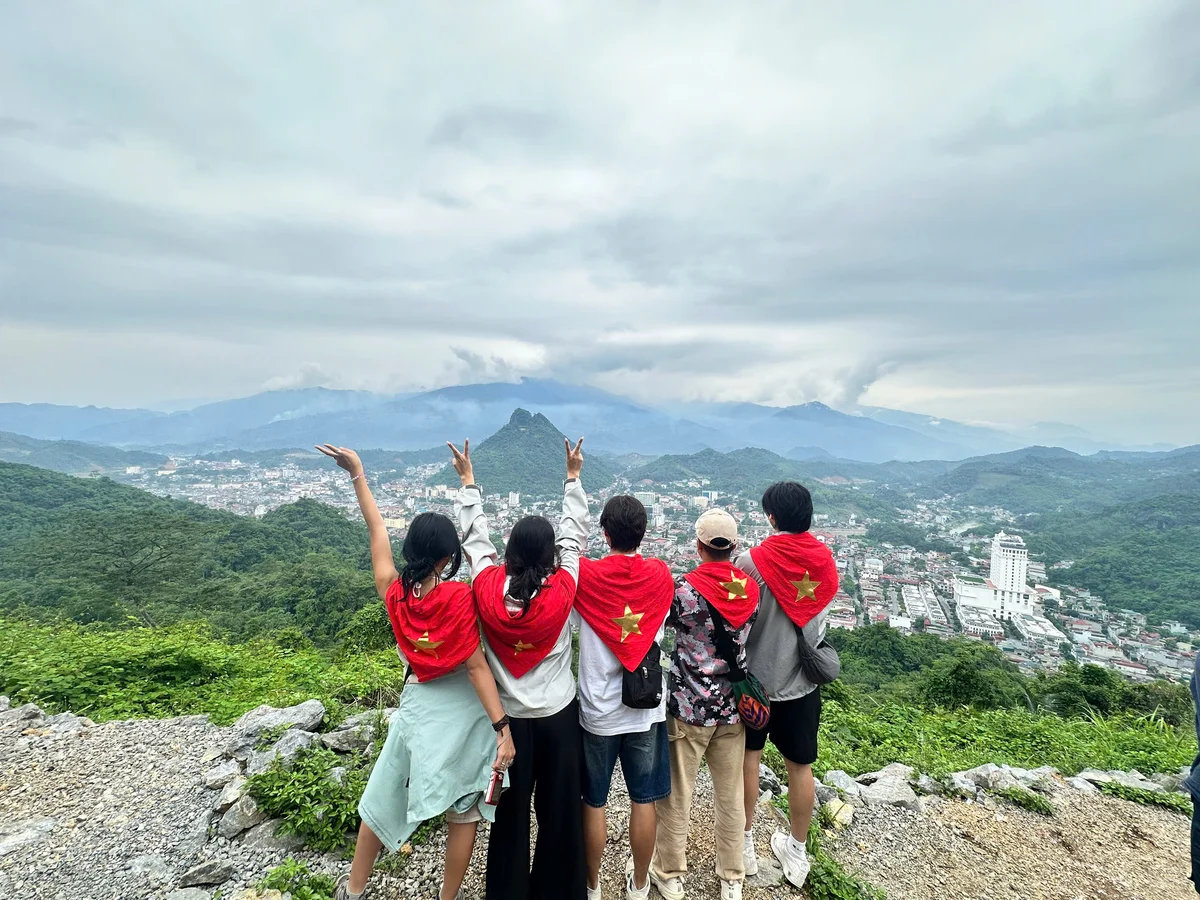
I’ve just done the Ha Giang Loop again—this time with my mum, this time with a lot of rain—and it reminded me how easy it is to underestimate what you actually need to wear.
Every year, we still see travelers arriving with the wrong idea: overpacking, bringing the wrong fabrics, or assuming the weather will behave like a typical tropical holiday.
Then reality hits—sudden downpours, humid heat, misty mountain passes, and long days on the back of a bike where comfort really matters.
The truth is, packing for the Loop in the rainy season doesn’t need to be complicated. You don’t need loads of gear, and you don’t need expensive motorcycle clothing.
You just need the right layers, the right materials, and a basic of understanding of how quickly the weather changes once you leave Ha Giang city.
In this guide, I’ll go through exactly what to wear on the Ha Giang Loop in rainy season, what tends to work best on the road, and what’s worth leaving behind so you can stay comfortable throughout the trip.
When Is the Rainy Season in Ha Giang?
The rainy season in Ha Giang typically runs from May to September, with July and August usually receiving the heaviest rainfall.
But don't imagine four straight months of non-stop rain. Most days involve a mixture of sunshine, clouds, mist, and occasional downpours.
One moment you'll be riding beneath blue skies, and the next you'll be disappearing into a cloud that seems determined to swallow the entire mountain.
And that's exactly why what you wear on the Ha Giang Loop in the rainy season matters so much.
Because you're not packing for rain, you're packing for everything.
Read more about the best time to do the Ha Giang Loop.
Why the Weather Feels So Different on the Loop
One mistake many travelers make is looking at the weather forecast for Ha Giang City and assuming that's what they'll experience for the entire trip.
Ha Giang City sits at a relatively low elevation. Once you're climbing towards Dong Van, Meo Vac, or Lung Cu, you're reaching elevations well above 1,000 metres.
That means temperatures can drop and rise significantly throughout the day.
But here's where many first-time visitors get caught out.
The rainy season is also the summer season and summer in Northern Vietnam can be seriously hot.
On sunny stretches of road, temperatures can easily climb into the high twenties or even low thirties.
Add a helmet, humidity, sunshine, and several hours on a motorbike, and you'll quickly understand why heavy clothing is a terrible idea.
It's not unusual to spend part of the day sweating in bright sunshine before riding into cool mountain mist a few hours later.
One minute you're wishing you'd packed more t-shirts. The next you're zipping up your rain jacket as clouds roll across the mountains.
That's exactly why layering beats bulky clothing every single time.
You need clothing that's light enough for hot, humid afternoons but versatile enough for cooler mornings, mountain passes, and unexpected downpours.
Read more about Ha Giang Loop weather.
The Golden Rule: Dress for Riding, Not for Photos
Instagram might convince you that the Ha Giang Loop is a four-day fashion show.
It isn't.
It's a four-day motorcycle adventure through mountain roads, changing weather conditions, muddy viewpoints, and occasional rainstorms.
When deciding what to wear on the Ha Giang Loop in rainy season, ask yourself one simple question:
"Will this still be comfortable after a few hours on a motorbike?"
If the answer is no, leave it at the hostel.
What to Wear on the Ha Giang Loop in Rainy Season
Let's break it down from head to toe.
Base Layers
The layer closest to your skin does more work than you might think.
Choose:
Quick-dry long-sleeve shirts
Sports tops
Merino wool layers
Moisture-wicking athletic clothing
Avoid:
Cotton t-shirts
Heavy sweatshirts
Thick fashion tops
Cotton is particularly sneaky because it feels comfortable when dry but becomes heavy, damp, and cold once it gets wet.
On a mountain road, that's exactly the opposite of what you want.
A lightweight quick-dry layer will keep you far more comfortable throughout the day.
Mid Layers
Even during summer, early starts and higher elevations can feel surprisingly cool. But a thin jumper is usually enough.
The beauty of a mid-layer is flexibility.
Too warm? Take it off.
Too cold? Put it back on.
Outer Layers
Bong Hostel provides full-body rain protection including:
Poncho
Trousers
Booties
This rain gear, as my mum put it, is: “Excellent, easy to put on with a little balancing help from your easy rider, and good quality, so it doesn’t rip easily.”
After her first taste of Loop rains, she found it far more comfortable than wearing a raincoat in the hot weather that often comes with summer downpours.
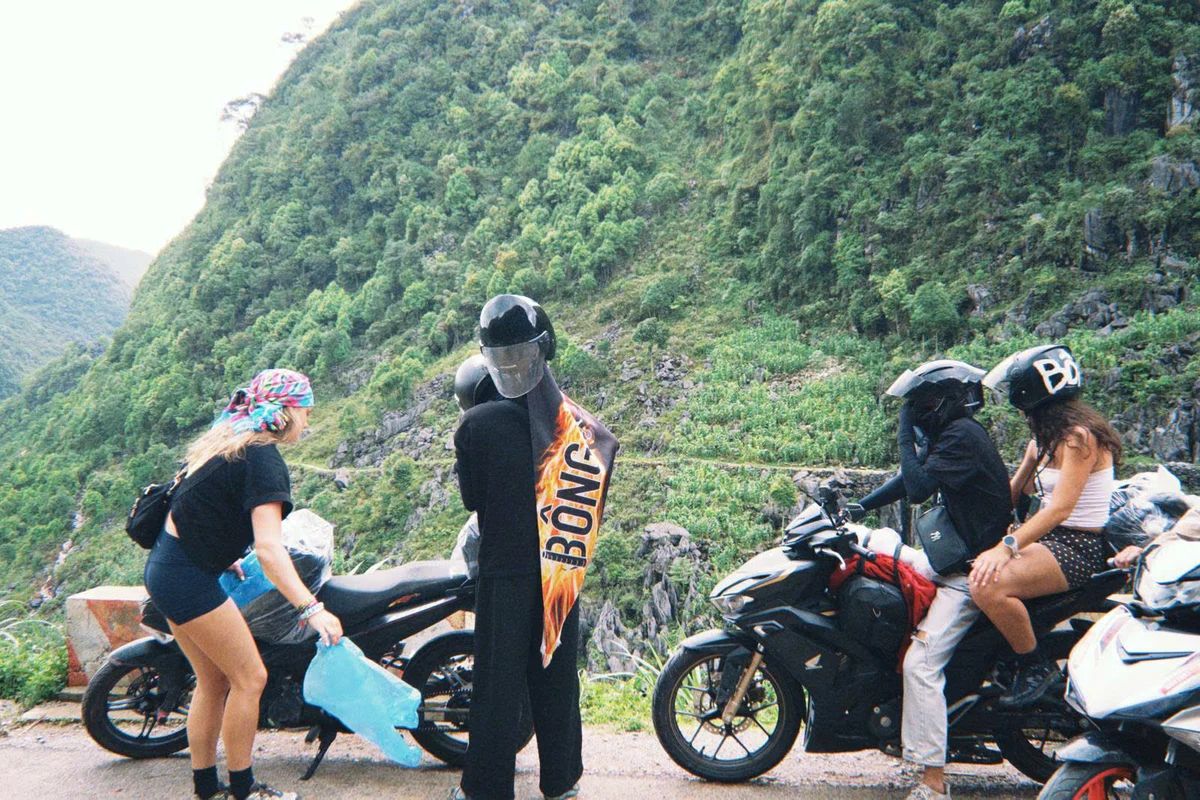
They also go over the top of your crossbody bag, keeping your valuables dry—another advantage a fitted rain jacket can’t compete with.
However, I get that not everyone loves the full ‘plastic bag’ look.
If you are bringing your own waterproof jacket, look for:
Lightweight and packable
Breathable fabric
Fully waterproof seams
Compact design
And make sure it’s actually waterproof, not just water resistant.
Read more about new Ha Giang Loop itineraries for 2026.
What to Wear on Your Legs While Riding the Ha Giang Loop
Shorts are fantastic; they’re comfortable and cooling—we love shorts! But they’re not ideal for long days riding mountain roads.
Instead, consider:
Lightweight hiking trousers
Quick-dry travel trousers
Cargo trousers
Waterproof trousers (this is what I wear on rainy days)
Long trousers provide:
Better protection
Less exposure to sun (UV is really high in the mountains, even in summer)
Greater comfort during long riding days
What Footwear Should you Wear on the Loop in the Rain
If you're asking what to wear on the Ha Giang Loop in the rainy season, footwear deserves its own section.
Your shoes will face:
Rain
Mud
Gravel
Waterfalls
Homestays
Occasional spontaneous adventures
The best options include:
Hiking shoes
Trail runners
Lightweight boots
But honestly, the temperature can get very hot in the rainy season, so it might not necessarily be comfortable to traipse around in big hiking boots.
If you think you won’t be comfortable, a sturdy trainer with good grip works just as well.
The worst options include:
Flip flops
Sandals or crocs
Converse (or anything similar that doesn’t have a good grip)
Anything white
Trust us on that last one. Nothing stays white/clean for long on the Loop.
Don't Underestimate Your Socks
Few things can ruin a riding day faster than wet feet.
Choose moisture-wicking hiking socks rather than standard cotton socks. They dry faster, stay comfortable for longer, and reduce the chances of blisters developing during any cheeky treks and viewpoint hikes.
Packing an extra pair in an easy-to-reach pocket can be a surprisingly effective morale booster after a heavy downpour.
Don't Forget Your Head, Neck & Hands During Rainy Season
These are the areas travelers forget most often. Unfortunately, they're also the areas that become uncomfortable first.
Helmet
Whether you're driving yourself or riding with an Easy Rider, you'll be wearing a helmet for several hours every day.
All tour companies provide helmets, including Bong Hostel, but it's worth making sure yours fits properly.
A loose helmet not only becomes annoying quickly, it's also less safe.
Neck Gaiter or Buff
Few items provide more value for less space.
A simple buff can:
Block wind and dust
Protect against sun exposure on your face and the back of your neck
Keep rain off your neck
Add warmth at higher elevations
Double as a face covering when needed
Many experienced riders consider this one of the most useful items on the entire trip.
Gloves
If you're self-driving in the rainy season, gloves are strongly recommended.
Lightweight waterproof gloves help with:
Grip
Comfort
Sun exposure
Rain protection (no one wants prune fingers all day)
Sunglasses or Clear Glasses
As we’ve already addressed, the rainy season doesn't mean you'll never see the sun. In fact, it's quite the opposite.
While there may be days of low visibility and heavy downpours, there will be others where the sun and UV exposure remains surprisingly strong.
During these moments hats and sunglasses can help protect against dust, insects, and the occasional raindrop traveling towards your face at speed.
Wear This, Not This: The Rainy Season Cheat Sheet
If you're still wondering what rainy season travel gear you need for the Ha Giang Loop, here's the quick version.
Wear These
Quick-dry long-sleeve tops
Lightweight hiking trousers
Waterproof jacket
Rain trousers
Sturdy trainers
Neck gaiter or buff
Lightweight gloves (if self-riding)
Moisture-wicking socks
Breathable clothing layers
Avoid These
Cotton hoodies
Heavy denim jeans
Flip flops
Sandals for riding
White trainers
Thick winter coats (it’s going to be super duper hot)
Fashion-first outfits
Anything that takes forever to dry
A good rule of thumb? If getting it muddy would ruin your day, don't bring it.
What to Wear at Villages, Markets & Homestays
The Ha Giang Loop isn't only about viewpoints, mountain roads, and smiling easy riders.
Some of the best moments happen when you're off the bike.
You'll visit villages, local markets, viewpoints, family-run homestays, and communities belonging to several ethnic minority groups.
While there's no strict dress code, dressing respectfully goes a long way.
Keep It Comfortable and Respectful
When exploring villages and local markets:
Cover shoulders where possible
Avoid extremely revealing clothing
Wear practical footwear
Choose comfortable, modest outfits
Remember, you’re visiting people’s homes and communities.
Unlike places such as Thailand or Bali, where tourism is deeply established, many areas in Northern Vietnam see far fewer Western travelers.
This means that the Ha Giang Loop is one of the most unfiltered, everyday glimpses of local life you’ll experience on your Southeast Asia loop.
What to Wear in the Evenings
After a day of riding in rain and heat, comfort is the priority at homestays.
We recommend:
A lightweight t-shirt or breathable top
Comfortable shorts or light trousers
Dry socks (always worth having a spare pair)
Flip flops or slides for indoors
If you’re up in higher mountain areas or you’ve had a particularly wet ride, you might want a very light jumper—but for most summer evenings, you won’t need anything heavy.
Discover how to dress respectfully when doing the Ha Giang Loop.
What Not to Wear During the Rainy Season
Sometimes knowing what not to bring is just as important.
Leave These Items Behind
Here are some common packing mistakes travelers make during the rainy season.
Do not wear the following:
Heavy winter jackets
Cotton layers
Jeans
Expensive fashion items or jewellery
Extra mistakes:
Overpacking
Bringing large suitcases
Underestimating humidity + heat
Overpacking heavy boots
The Ultimate Ha Giang Loop Rainy Season Packing Checklist
Want the quick answer for what your rainy season packing list should look like for a 4-day 3-night tour?
Save this list.
Clothing
3/4 quick-dry t-shirts
1 quick-dry long-sleeve top
1 lightweight jumper
1 waterproof jacket
1 pair rain trousers
1 pair lightweight hiking trousers
2 pairs shorts for evenings
4+ pairs underwear (spares is always advised)
4 pairs moisture-wicking socks
Footwear
Trainers or hiking shoes
Sandals or slides (for evenings only)
Riding Essentials
Neck gaiter or buff
Lightweight gloves (self-riders)
Sunglasses and a hat
Crossbody bag with essentials (listed below)
Extras
Power bank and cables
Sunscreen
Insect repellent
Microfibre towel
Swimwear
Snacks
Water
Documents
Passport
Driving licence and International Driving Permit (if applicable)
Travel insurance details
Visa details
Cash (for snacks, drinks, and tips)
Check if you need a license for the Ha Giang Loop.
Forgot Something? You Can Buy Gear in Ha Giang
Don't panic if you arrive without the perfect setup.
Ha Giang City has plenty of shops selling:
Rain jackets
Ponchos
Gloves
Hiking socks
Hats
Crossbody bags
Waterproof covers
Basic outdoor gear
The quality varies, but it's usually more than sufficient for a four-day Loop adventure.
Is the Ha Giang Loop Worth Visiting in the Rainy Season?
Is it worth it? Yes—but it depends on what you’re looking for.
The rainy season on the Ha Giang Loop (May to September) is often misunderstood.
While it does bring unpredictable weather and the occasional heavy downpour, it also transforms the landscape in ways that many travelers never get to experience.
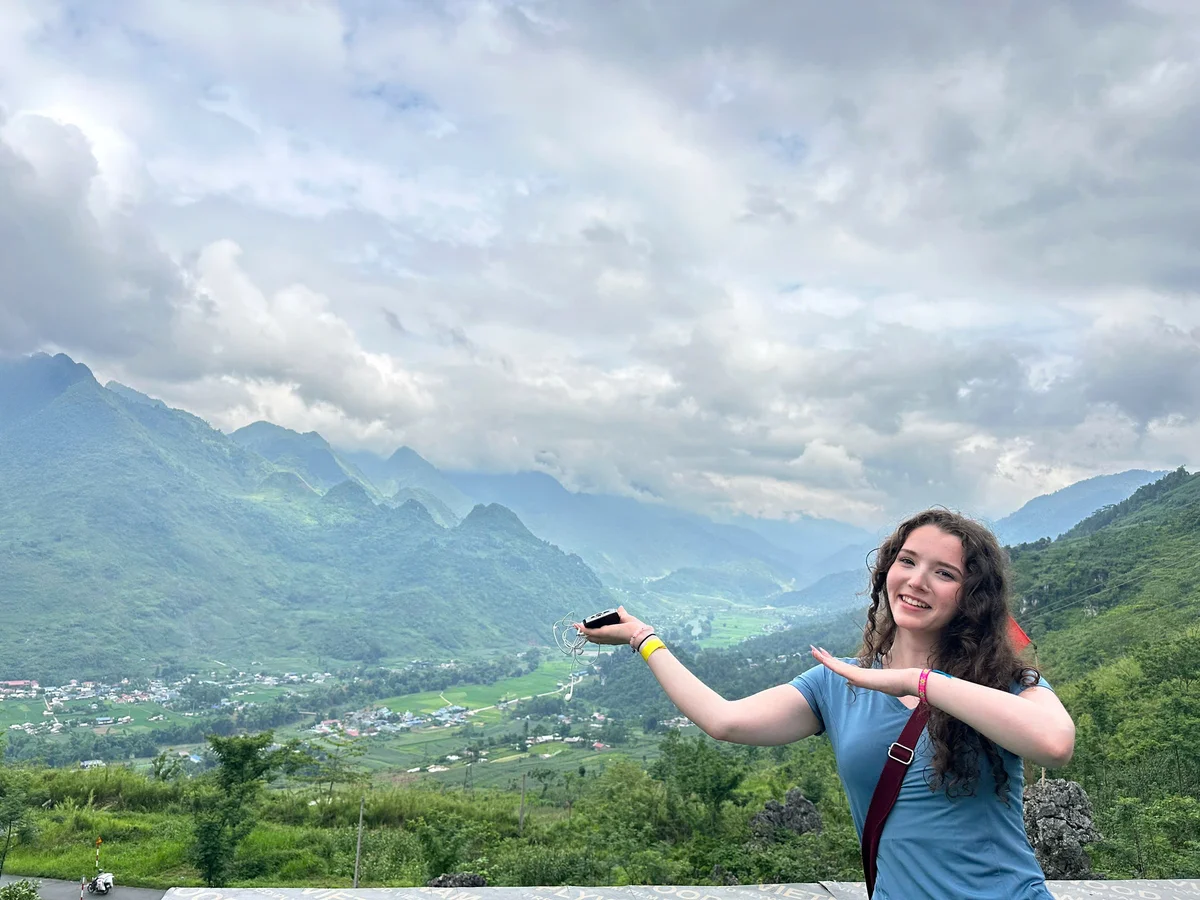
The mountains become incredibly green. Rice terraces fill with water and reflect the sky. Waterfalls appear along the roadside. And the mist rolling through the valleys gives the entire region a dramatic, almost cinematic feel.
It’s also quieter.
Fewer tourists travel during this period, which means more peaceful roads, more personal homestay experiences, and a more authentic glimpse into daily life in the mountains.
You’ll also often find lower prices and seasonal discounts on tours and accommodation, making it one of the most budget-friendly times of year to do the Loop.
However, it’s not for everyone. You need to be comfortable with:
Changing weather conditions
Occasional rain while riding
Muddy viewpoints and roads
Less predictable visibility
If you’re expecting constant sunshine and dry riding conditions, the dry season is a better fit.
But if you don’t mind a bit of rain in exchange for fewer crowds, greener landscapes, and a more atmospheric version of Ha Giang—the rainy season can actually be one of the most rewarding times to go.
Read more about how tourism is shaping the Ha Giang Loop.
The Good News: Bong Hostel Provides More Than You Think
One of the biggest mistakes travelers make is buying a mountain of gear they'll never use again.
The reality is that you probably need far less than you think.
When you join a Bong Hostel Ha Giang Loop tour, we already provide several essentials that make rainy season travel much easier.
These include:
Helmet
Rain protection
Waterproof luggage protection
Experienced Easy Riders
Local guides monitoring road and weather conditions
Secure luggage storage at Bong Hostel
You just need to bring a few smart clothing layers and let us handle the rest.
Why Many Travelers Choose an Easy Rider During Rainy Season
Rainy season can be one of the most rewarding times to experience the Ha Giang Loop, but it also brings changing road conditions, occasional heavy downpours, and reduced visibility on some mountain passes.
That's one reason why many travelers choose an Easy Rider during the wetter months.
Instead of concentrating on slippery roads, navigating unfamiliar routes, or wondering whether the next dark cloud is heading your way, you can sit back and enjoy the experience.
You'll have more time to:
Take photos
Enjoy the scenery
Chat with fellow travelers
Visit viewpoints
Experience local villages
Relax and enjoy the adventure
Many guests arrive in Ha Giang planning to self-drive, only to switch to an Easy Rider after seeing the mountain roads and weather conditions for themselves.
There's absolutely nothing wrong with self-driving if you're experienced and confident, but if you'd rather focus on the views than the road surface, an Easy Rider can make rainy season travel significantly more enjoyable.
Ready to Make the Rainy Season Easy?
Frequently Asked Questions
Is it safe to do the Ha Giang Loop during the rainy season?
Yes, provided you're sensible, prepared, and respect the conditions.
Roads can become slippery during heavy rain, which is why many travelers choose an Easy Rider during this time of year.
Will I be cold?
Possibly, in the mornings and evenings in villages at higher elevations as well as higher mountain passes.
But most often you’ll be hot and sweaty… and that's exactly why layering is so important.
Do I need waterproof trousers?
If you're visiting between June and August, we highly recommend them.
They're lightweight, affordable, and can completely transform a wet riding day.
Can I wear shorts?
In the evenings? Absolutely.
For long riding days? We wouldn't recommend it.
Is a poncho enough?
A poncho is certainly enough to provide full rain protection. But it's up to you if you want to sit in a plastic bag for hours on the back of a bike. If not, we advise bringing a rainproof jacket.
Should I hire an Easy Rider during the rainy season?
If you're inexperienced, nervous about riding, or simply want to enjoy the scenery without worrying about wet mountain roads, an Easy Rider is often the best decision you can make.
How Many Changes of Clothes Should I Bring?
For most 3-day or 4-day Ha Giang Loop tours, three riding outfits and three sets of evening clothes are usually enough, with a little mixing and matching.
Most travelers pack far more clothing than they actually use. Prioritise quick-drying fabrics over quantity and you'll save valuable backpack space.
Final Thoughts: What Should You Wear on the Ha Giang Loop in the Rainy Season?
If you've made it this far, you've probably realised something. Packing for the rainy season isn't about bringing more. It's about packing smarter.
A few quick-dry layers
A proper waterproof jacket
Comfortable footwear
A decent rain plan (Easy Rider all the way)
That's really it.
The travelers who enjoy the rainy season the most aren't necessarily the ones with the most expensive gear.
They're the ones who arrive prepared, stay flexible, and embrace the occasional downpour as part of the adventure.
Because while other travelers are waiting for perfect weather, you'll be riding through mist-covered Ma Pi Leng, sharing stories in cosy homestays, and seeing a greener, quieter side of Ha Giang that many visitors never experience.
And if you'd rather not worry about road conditions, route planning, accommodation, and luggage storage, Bong Hostel has you covered.
About Faye Hilling
Travel writer and Vietnam explorer sharing authentic experiences and insider tips for discovering the beauty of Vietnam.