
15+ Best Stops on the Ha Giang Loop: Complete 4-Day Route Guide (2026)
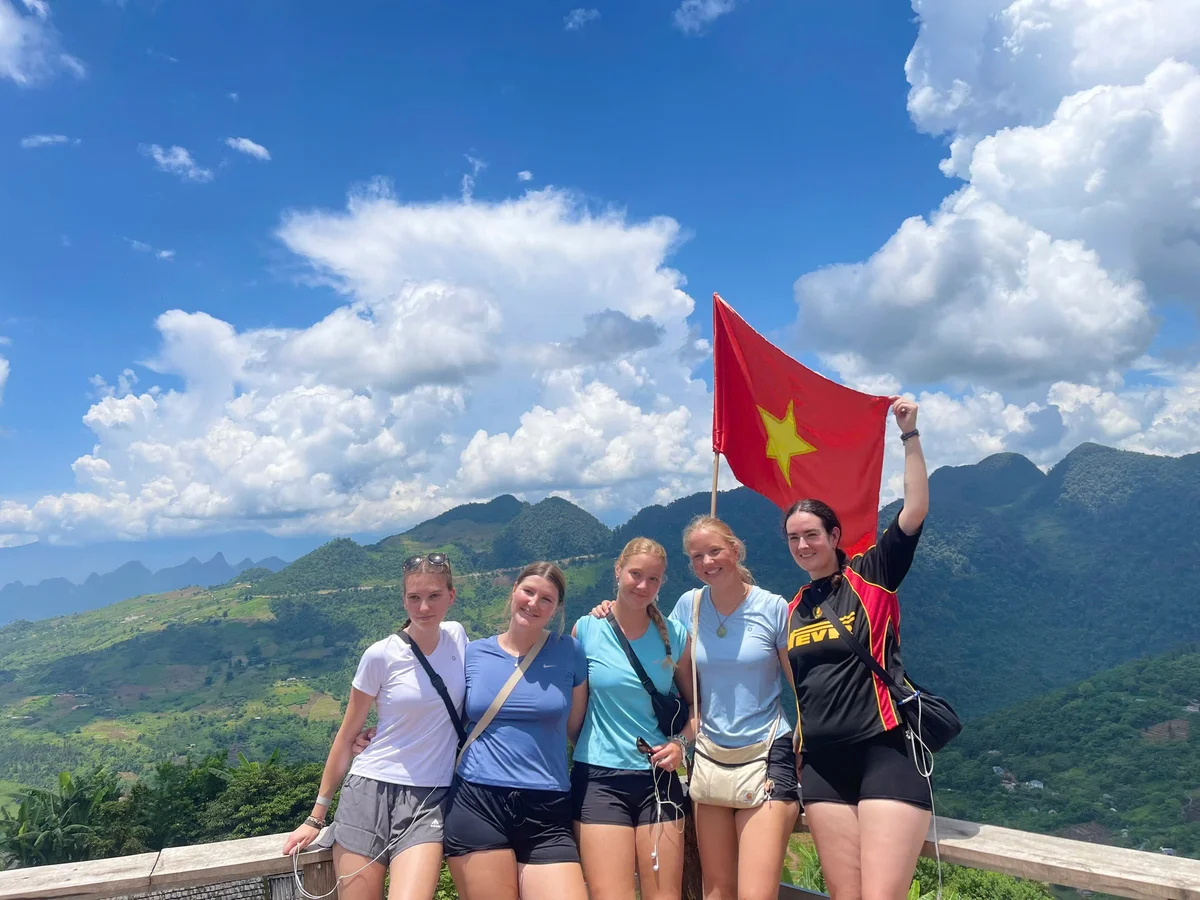
You know those places that look so ridiculously beautiful that your brain immediately goes: “But it looks like a painting”?
The Ha Giang Loop is one of those places.
Except here’s the funny thing… The mountains are actually that dramatic, the rivers really are that turquoise, and yes, your camera roll really will be full of approximately 437 photos of the same mountain from slightly different angles.
(We won’t judge. We’ve all done it.)
The Ha Giang Loop is famous for its viewpoints, mountain passes, colourful ethnic villages, and hidden waterfalls.
But with so many incredible stops along the route, knowing where to go can feel a little overwhelming.
That’s where we come in.
At Bong Hostel, we’ve been running Ha Giang Loop tours for 10 years, with hundreds of local Easy Riders and experienced tour leaders who know these mountains like the back of their hands.
And while every journey is slightly different (more on that later), we’ve put together this guide to the best stops on the Ha Giang Loop so you know exactly what incredible places you can expect to experience along the way.
Quick List: The Best Stops on the Ha Giang Loop
Ma Pi Leng Pass — Vietnam's most dramatic mountain road
Nho Que River & Tu San Canyon — emerald-green waters between towering cliffs
Tham Ma Pass — the famous winding mountain road
Quan Ba Heaven Gate — first panoramic view of the Loop
Lung Cu Flag Tower — Vietnam's northernmost landmark
Du Gia Waterfall — the perfect swimming stop
Sky Path — cliffside views above Ma Pi Leng
Hidden mountain cafés — the best coffee views in Vietnam
What Makes the Ha Giang Loop So Special?
The Ha Giang Loop isn’t just about getting from A to B, because the road itself is the adventure.
Unlike many tourist destinations where you arrive at one famous attraction, take a photo, and leave again, Ha Giang constantly surprises you.
The landscape changes constantly:
Dramatic limestone peaks
Endless mountain roads
Deep valleys covered in rice terraces
Traditional villages belonging to Vietnam’s ethnic minority communities
Hidden rivers and waterfalls
Ancient caves and geological wonders
And, of course, plenty of opportunities to mouth “wow” approximately every five minutes from the back of your Easy Rider’s motorbike.
For more information about the Ha Giang Loop, check out our complete guide: What is the Ha Giang Loop? Exploring Vietnam’s Famous Mountain Route.
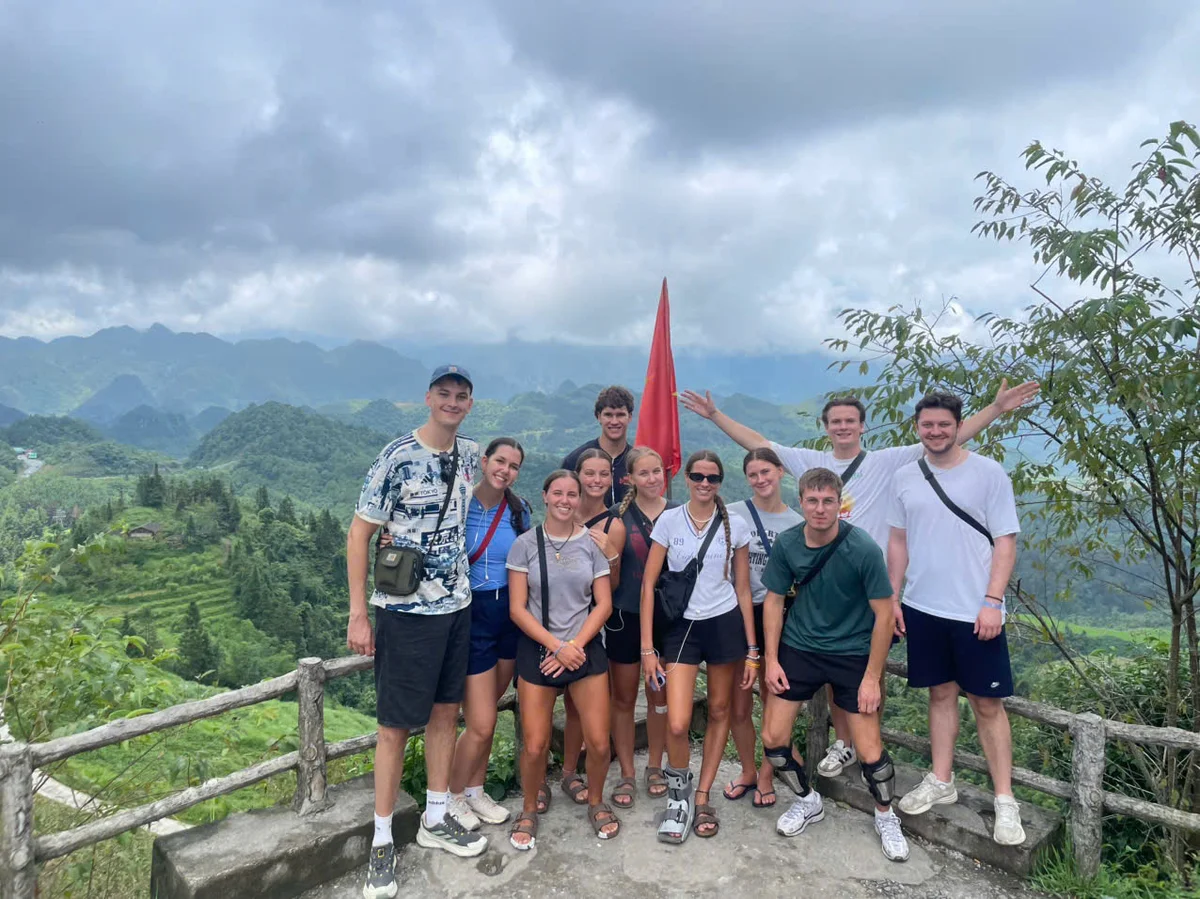
Quan Ba Heaven's Gate is one of the best stops on Day 1 of the Ha Giang Loop
The Bong Hostel 4-Day Ha Giang Loop Route: Where You’ll Stop Each Day
Unlike rushed tours that simply tick off famous viewpoints, our 4-day route balances iconic highlights with time to actually enjoy the mountains.
Your exact stops may change depending on weather and road conditions, but the classic route usually looks like this:
Day 1: Ha Giang City → Quan Ba → Yen Minh
Highlights:
Bac Sum Pass
Quan Ba Heaven Gate
Twin Mountains viewpoint
Hmong linen village
Scenic coffee stops
Overnight homestay
Day 2: Yen Minh → Dong Van → Meo Vac
Highlights:
Tham Ma Pass
Lung Cu Flag Tower or China Border Viewpoint
Dong Van Old Quarter
Sky Path
Ma Pi Leng Pass
Tu San Canyon viewpoint café
Day 3: Meo Vac → Du Gia
Highlights:
Nho Que River boat trip
M Pass
Hidden rivers/swimming spots
Bamboo rafting (conditions permitting)
Mountain viewpoints
Day 4: Du Gia → Ha Giang City
Highlights:
Du Gia Waterfall
Forest cafés
Scenic valleys
Final viewpoints
Find out more about different route options here: 3-Day vs. 4-Day Ha Giang Loop Tour: A Complete Breakdown.
How Bong Hostel Chooses the Best Stops on the Ha Giang Loop
Before we jump into the individual locations, there’s something important to understand.
The Ha Giang Loop exists in a remote mountain climate.
The weather changes. Roads change. Local events happen. Some viewpoints are covered in clouds one day and completely clear the next.
Our Easy Riders and tour leaders don’t just follow a checklist—they use their local knowledge to create the best possible experience depending on the conditions.
That means:
Your coffee shop stop might be different from another group’s
Your swimming spot might change depending on rainfall
A viewpoint might be swapped for a hidden valley
You will still experience all the main highlights of the Ha Giang Loop, but your exact stops may vary slightly depending on your group, your leader, and the weather.
Now, let’s take a look at the best stops on the Ha Giang Loop following the Bong Hostel's classic route.
Day 1: Entering Ha Giang’s Mountains
This is where the adventure officially begins.
You leave Ha Giang City behind and within minutes the landscape begins changing from busy streets into dramatic mountain scenery.
1. KM0 Ha Giang: Where the Adventure Officially Begins
As you make your way out of Ha Giang City, you’ll pass the famous KM0 marker.
This sign marks the official starting point of National Highway 4C, the road that takes travellers into the famous Loop.
Most people grab a quick photo here before setting off (or when returning from the loop).
It’s not the biggest viewpoint you’ll see during your journey… But every adventure needs a starting line.
2. Bac Sum Pass: The Gateway to the Ha Giang Loop
The first major mountain pass of the journey is Bac Sum Pass.
Stretching for around 7 kilometres, Bac Sum Pass introduces you to everything that makes the Loop famous:
Twisting roads
Huge limestone mountains
Deep valleys
Clouds floating between peaks
The winding road climbs higher and higher, giving you your first proper taste of the landscapes waiting ahead.
3. Quan Ba Heaven Gate & Twin Mountains: Your First Jaw-Dropping Viewpoint
After conquering Bac Sum Pass, the next stop is one of Ha Giang’s most famous viewpoints: Quan Ba Heaven Gate.
Sitting around 1,500 metres above sea level, this viewpoint gives you your first panoramic view over the incredible Quan Ba Valley.
Below you’ll see:
Rolling green mountains
Nam Dam traditional village home to the Dao ethnic people
Rice fields
Nam Dam Lake
The famous Quan Ba Twin Mountains
Also known as the “Fairy Bosom Mountains”, these two perfectly rounded hills have become one of Ha Giang’s most recognisable landscapes.
But like many places in Vietnam, there’s a little legend behind them.
According to local stories, a fairy fell in love with a Hmong man but was forced to return to the heavens. Before leaving, she left behind her breasts to provide milk for their child.
And that’s how these unusual mountains got their name.
Whether you believe the legend or not, standing above the valley with the clouds rolling over the mountains is a pretty magical way to start your Ha Giang adventure.
For more fairy tales and folk legends click here: 16 Traditional Vietnamese Folktales that Reveal the Spirit of Northern Vietnam.
4. Quan Ba Linen Village: A Glimpse Into Local Culture
The Ha Giang Loop isn’t only about landscapes.
One of the reasons this journey is so special is because you’re travelling through communities that have preserved traditions for generations.
At the linen village near Quan Ba, you can learn about traditional Hmong weaving techniques and see how locals transform hemp plants into handmade fabrics.
Creating linen is a long process involving:
Growing and harvesting hemp
Breaking and softening fibres
Spinning thread
Weaving patterns
Creating traditional clothing
It’s a reminder that the beautiful traditional clothing you see around Ha Giang isn’t just decoration—it represents skill, history, and cultural identity.
5. Can Ty Pass: Hidden Between Quan Ba and Yen Minh
While some stops on the Ha Giang Loop have become famous worldwide, others remain quieter.
Can Ty Pass is one of those places.
This scenic mountain road connects Quan Ba and Yen Minh, is typically a little misty, and feels like something from a movie scene.
Unlike some of the busier viewpoints, Can Ty Pass is a bit on the quieter side and gives you your first taste of the scale of the mountains.
6. Yen Minh: Your First Night in the Mountains
After a full day of mountain roads, viewpoints, and cultural experiences, you’ll arrive in Yen Minh.
This is where Bong Hostel groups spend their first night.
Yen Minh is a peaceful mountain town surrounded by forests and valleys, making it the perfect place to relax after your first day.
And yes, this is when the famous Ha Giang evenings begin.
Expect:
Family-style dinner
Meeting other travellers
Local happy water (optional!)
Karaoke
Plenty of laughs
Don’t worry if your singing skills are questionable, the mountains have heard worse.
KM0 in Ha Giang City
Day 2: The Most Famous Stops on the Ha Giang Loop
Day two is the day many travellers have been waiting for:
The famous roads
The iconic viewpoints
The photos you’ve probably seen online before booking your trip
This day truly has the best stops on the Ha Giang Loop.
7. Tham Ma Pass: The Most Famous Road on the Ha Giang Loop
You know that photo?
The one where a tiny winding road snakes through huge green mountains and young girls in traditional clothing carry baskets of flowers and offer to braid your hair?
Yep—That’s Tham Ma Pass.
Tham Ma is arguably the most recognisable road on the entire Ha Giang Loop.
But this pass isn’t famous just because it looks good on Instagram.
The name “Tham Ma” translates roughly to “horse testing slope”.
Historically, locals used this steep mountain road to test whether horses were strong enough to carry goods through the difficult terrain.
Basically, before motorbikes existed, this was the ultimate mountain strength test.
Today, from the viewpoint at the top, you can see the famous winding road below surrounded by dramatic mountains.
It’s one of those Ha Giang moments where you’ll understand why everyone falls in love with this place.
For more information about interacting with children at Tham Ma Pass, click here: Ethical Travel in Vietnam: Why You Shouldn't Give Money to Children on the Ha Giang Loop.
8. Lung Cu Flag Tower: Standing at Vietnam’s Northernmost Point
After Tham Ma Pass, the journey continues towards the Lung Cu Flag Tower.
Located close to the Chinese border, the tower is one of the northernmost landmarks in Vietnam and a powerful symbol of Vietnamese sovereignty.
After walking up the steps to the top (we won’t say exactly how many because depending on how tired your legs are, 500 steps can somehow feel like 5,000), you’ll reach the famous flag tower overlooking the surrounding karst plateau.
From here, you can see endless layers of mountains stretching into the distance, with views that continue towards the border region of China.
But Lung Cu isn’t just about the scenery.
The Vietnamese flag flying from the tower has a diameter of 9 metres and covers 54 square metres, representing Vietnam’s 54 recognised ethnic groups and the unity of the country.
👉 Important note: Lung Cu Flag Tower is weather dependent. On cloudy or rainy days, visibility can be limited, so your Bong Hostel tour leader may adjust the route to make sure you get the best experience possible.
9. Dong Van: The Cultural Heart of the Ha Giang Loop
After visiting Lung Cu, you’ll make your way towards Dong Van, one of the most important towns on the Ha Giang Loop.
Dong Van sits within the Dong Van Karst Plateau Geopark, a UNESCO-recognised geological area famous for its ancient limestone mountains and unique landscapes.
The town itself has a fascinating history and is one of the best places on the Loop to experience local culture.
The old quarter is filled with traditional buildings influenced by Chinese, French, and local Vietnamese architecture.
👉 Depending on your tour schedule, you’ll usually stop here for lunch before continuing towards some of the most dramatic roads in Ha Giang.
10. The Sky Path: Walking Above the Legendary Ma Pi Leng Pass
After lunch in Dong Van, it’s time for one of the most unique stops on the Ha Giang Loop: the Sky Path.
Located along the famous “Happiness Road” above Ma Pi Leng Pass, this cliffside trail gives you the chance to leave the motorbike behind and experience Ha Giang on foot.
Because sometimes your legs need a break from sitting on a motorbike…
Even if your brain is telling you: “No thanks, I would rather continue staring at mountains forever.”
The Sky Path sits around 1,600 metres above sea level and offers incredible views over:
The Nho Que River below
Tu San Canyon
Dramatic limestone cliffs
The winding mountain roads carved into the landscape
The trail isn’t a difficult hike, but it does involve some walking along narrow mountain paths, so comfortable shoes are definitely recommended.
11. Ma Pi Leng Pass: The King of Ha Giang Mountain Roads
Speaking of Ma Pi Leng Pass… This is the moment many travellers have been waiting for.
Often considered one of the most beautiful mountain passes in Vietnam, Ma Pi Leng is the final masterpiece of the Dong Van Karst Plateau.
Stretching for around 20 kilometres, the pass climbs dramatically through towering limestone mountains, with the famous Nho Que River winding far below.
The road itself is incredible.
Carved into the side of cliffs, it feels almost impossible that people managed to build a route through such dramatic terrain.
And yet here you are, cruising along it with mountains rising above you and valleys dropping away below.
It’s the kind of place where your camera struggles to capture the scale.
No matter how many photos you take, they somehow never quite show how huge it feels standing there.
👉 By this point, you’ll understand why Ha Giang has become so popular. Want to experience these views without worrying about navigating steep mountain roads? Join Bong Hostel’s Easy Rider tour and let our local drivers handle the roads while you focus on the views.
12. Meo Vac: A Mountain Town Surrounded by Giants
As you come to the end of your second day on the Ha Giang Loop you will arrive at Meo Vac.
Known as one of the main towns on the eastern side of the Loop, Meo Vac sits surrounded by dramatic peaks and valleys.
The road into Meo Vac itself is spectacular, with huge mountain walls rising around the town.
This area is also famous for its ethnic diversity, with communities including the Hmong, Tay, and Lo Lo people calling the surrounding mountains home.
If you’re lucky enough to visit during the famous Sunday market, you’ll see locals travelling from nearby villages to trade goods, socialise, and maintain traditions that have existed for generations.
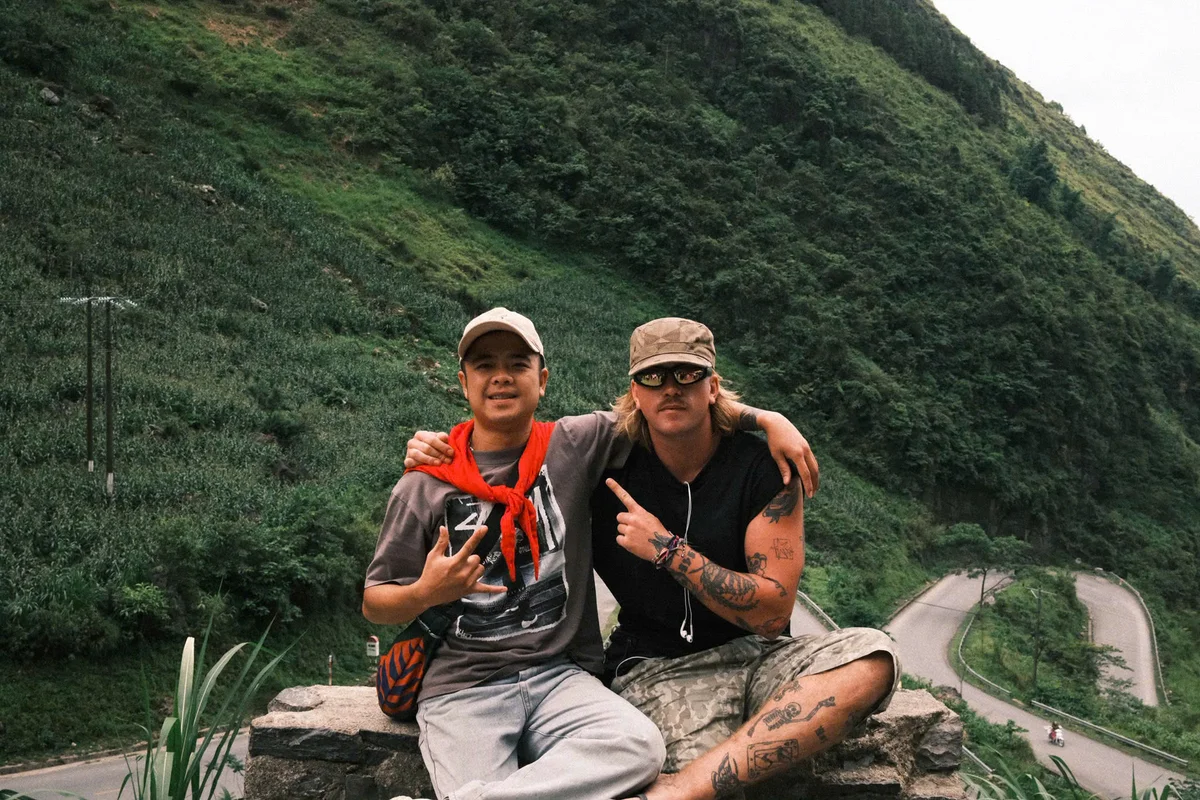
Tham Ma Pass is one of the most recognisable roads on the Ha Giang Loop
Day 3: Rivers, Canyons and Best Hidden Stops to Visit on the Ha Giang Loop
After two days of mountain roads, Day 3 brings a slightly different side of Ha Giang.
Yes, there are still incredible views and plenty of opportunities to stop every five minutes for photos.
But today is about getting closer to the landscapes.
13. Nho Que River & Tu San Canyon: Ha Giang’s Natural Wonder
You’ve probably already seen the photos of a bright turquoise river winding between enormous cliffs. Well that’s the Nho Que River.
And seeing it from above is incredible.
But getting down onto the water is where you really understand how impressive this place is.
The Nho Que River flows through Tu San Canyon, one of the deepest and most spectacular canyons in Southeast Asia.
From the river, the scale of the cliffs becomes almost impossible to comprehend.
The mountains tower above you, the water reflects the surrounding landscape, and suddenly you realise just how tiny we all are compared to nature.
The usual experience involves taking a boat ride through the canyon, giving you the chance to relax after days of mountain roads and enjoy Ha Giang from a completely different perspective.
14. Weather Alternative: Hidden Rivers, Bamboo Rafts & Local Swimming Spots
Now, here’s where travelling with a local team makes a difference.
Sometimes the weather in Ha Giang has other plans.
Heavy rain, river conditions, or road conditions can mean that certain activities aren’t the best option on a particular day.
In this case, instead of visiting the Nho Que River, your Bong Hostel leader may take you somewhere a little more off the beaten path:
A peaceful waterfall
A bamboo raft experience
Natural swimming spots
Hidden caves
Quiet countryside areas away from the crowds
Because while the best spots are famous for a reason, sometimes the unexpected places become your favourite memories.
15. M Pass: A Quiet Mountain Road Away From the Crowds
Not every incredible viewpoint has gone viral on Instagram.
M Pass is one of those places.
While travellers rush towards the famous names like Ma Pi Leng and Tham Ma, M Pass kind of creeps up on you.
This roadside stop might seem like your average Ha Giang Loop coffee shop experience but once you head to the viewing platform there’s a great view of an M-shaped pass across the valley.
The road twists through the same dramatic landscapes that make Ha Giang famous, but with a much quieter atmosphere.
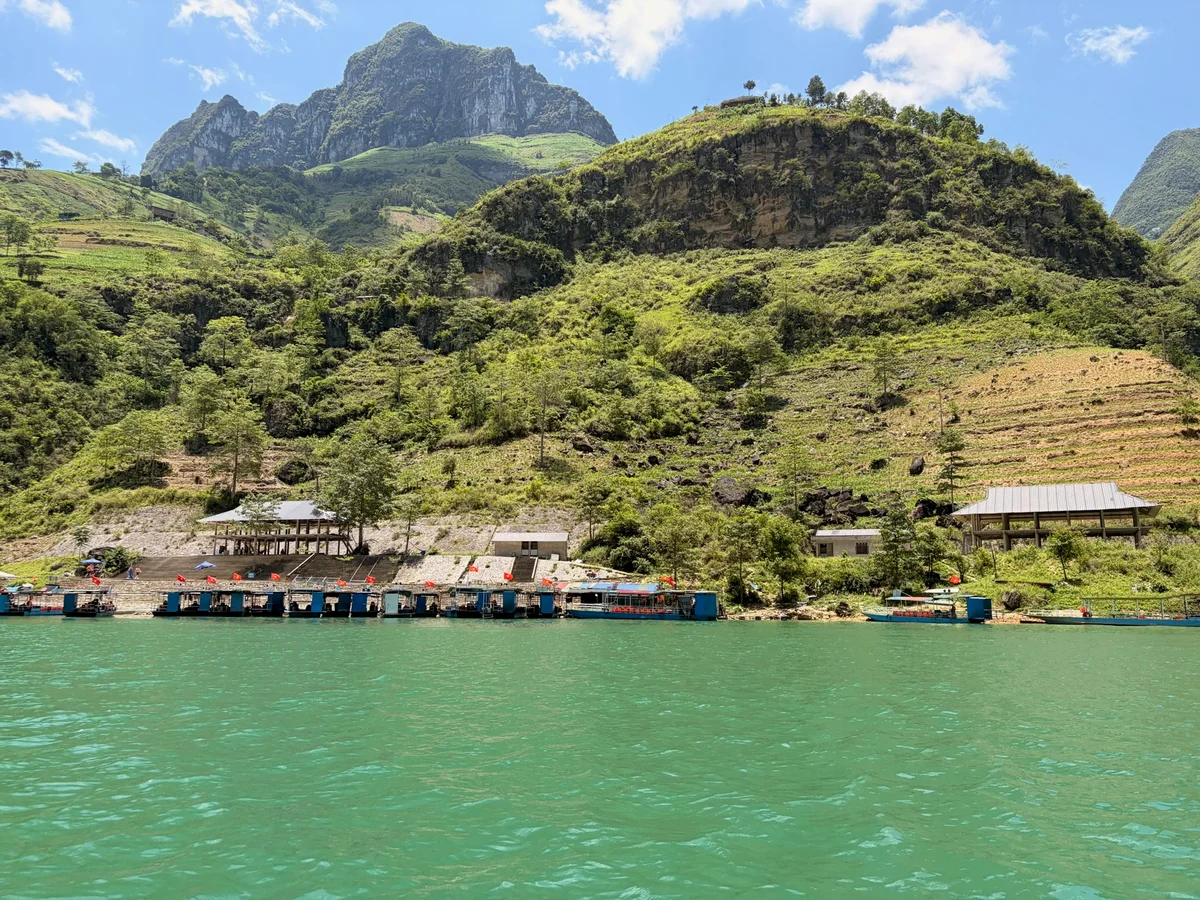
Take a ride on the Nho Que River in Ha Giang
Day 4: Waterfalls, Forest Cafés and the Journey Home
Sadly, all good things must come to an end.
After three days of mountains, coffee stops, cultural experiences and probably becoming best friends with your Easy Rider, Day 4 begins.
But don’t worry… Ha Giang still has some surprises left.
16. Du Gia Waterfall: The Perfect Final Stop
Hidden away near the peaceful village of Du Gia (where you will have spent your final evening) is one of the most refreshing stops on the entire Ha Giang Loop.
Du Gia Waterfall is exactly the kind of place you imagine when you think of Northern Vietnam:
Clear blue-green water
Lush jungle surroundings
Mountains in the background
Local children swimming and playing nearby
After several days riding through the mountains, swimming in the cool water is the perfect way to finish the adventure.
So yes…Bring your swimming clothes. Unless you want to be the person sitting on the side watching everyone else have fun.
Nobody wants that.
👉 Please exercise caution when visiting Du Gia Waterfall. It is a fantastic place to cool off in the Ha Giang heat, but it is advised not to jump into the pool from the high ledges. Jumping is done at your own risk.
Discover more essential packing items here: Ha Giang Loop Packing List (2026): What to Pack for Every Season + Gear Checklist.
17. Roadside Waterfalls and Hidden Stops Between Du Gia and Ha Giang
The final journey back towards Ha Giang City is still filled with some pretty good stops.
You’ll pass through peaceful countryside, mountain valleys and small villages before eventually returning to where the adventure began.
Along the way, your group may stop at:
Roadside waterfalls
Scenic viewpoints
Local cafés
Quiet mountain roads
These final moments are often when travellers realise how much they’ve experienced in just four days.
👉 Pssst! These are just some of the best stops on the Ha Giang Loop, but the beauty of travelling with a local team is discovering the places that never make it onto Google Maps.
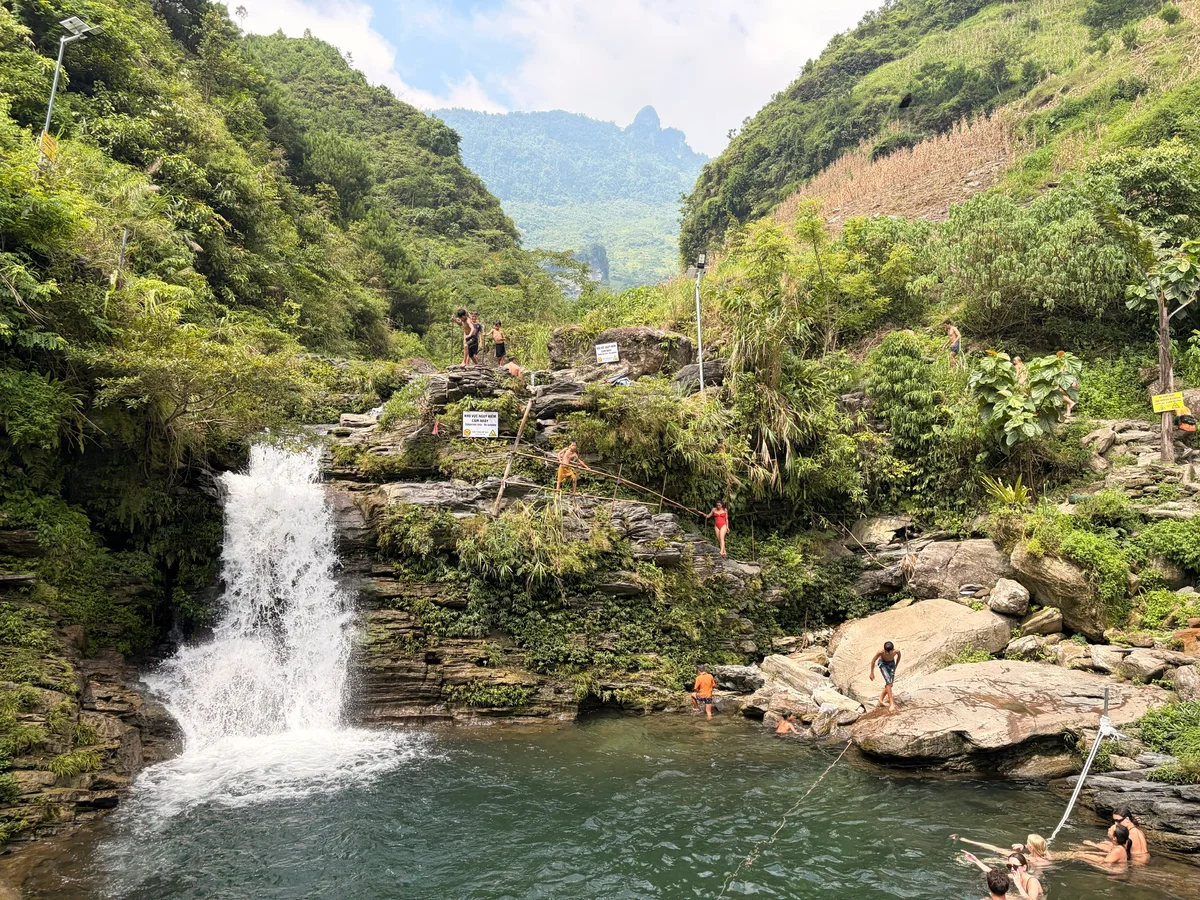
Du Gia Waterfall is one of the best stops along the Ha Giang Loop
Coffee Stops on the Ha Giang Loop: Mountain Views, Hidden Cafés & Slow Travel
One thing you quickly learn on the Ha Giang Loop is that coffee is not just a drink—it’s part of the journey.
Vietnam is already famous for its coffee culture, but Ha Giang takes the experience to another level.
Here, a coffee stop isn’t something you squeeze in between attractions. It’s a chance to slow down, take in the mountains, and enjoy the journey at a different pace.
Throughout the Loop, you’ll find cafés tucked between limestone peaks, forests and valleys.
Some are famous viewpoints that travellers search for online, while others are tiny local cafés you would probably drive straight past without your Easy Rider pointing them out.
Depending on your route, weather conditions and your tour leader’s local knowledge, your coffee stops might include:
Traditional Vietnamese iced coffee (cà phê sữa đá)
Hot coffee on chilly mountain mornings
Scenic cafés overlooking valleys
Hidden forest cafés and relaxed hammock stops
Your first coffee stop after leaving Ha Giang City is often when the adventure starts to feel real—a chance to meet your Easy Rider and the rest of your group and take in your first mountain views.
Later in the journey, one of the most memorable coffee stops is often above Tu San Canyon, where you can sit with a Vietnamese coffee while looking over the Nho Que River below.
👉 Bong Hostel’s exact coffee stops may vary depending from one group to the next—but that’s part of what makes every Ha Giang Loop adventure unique.
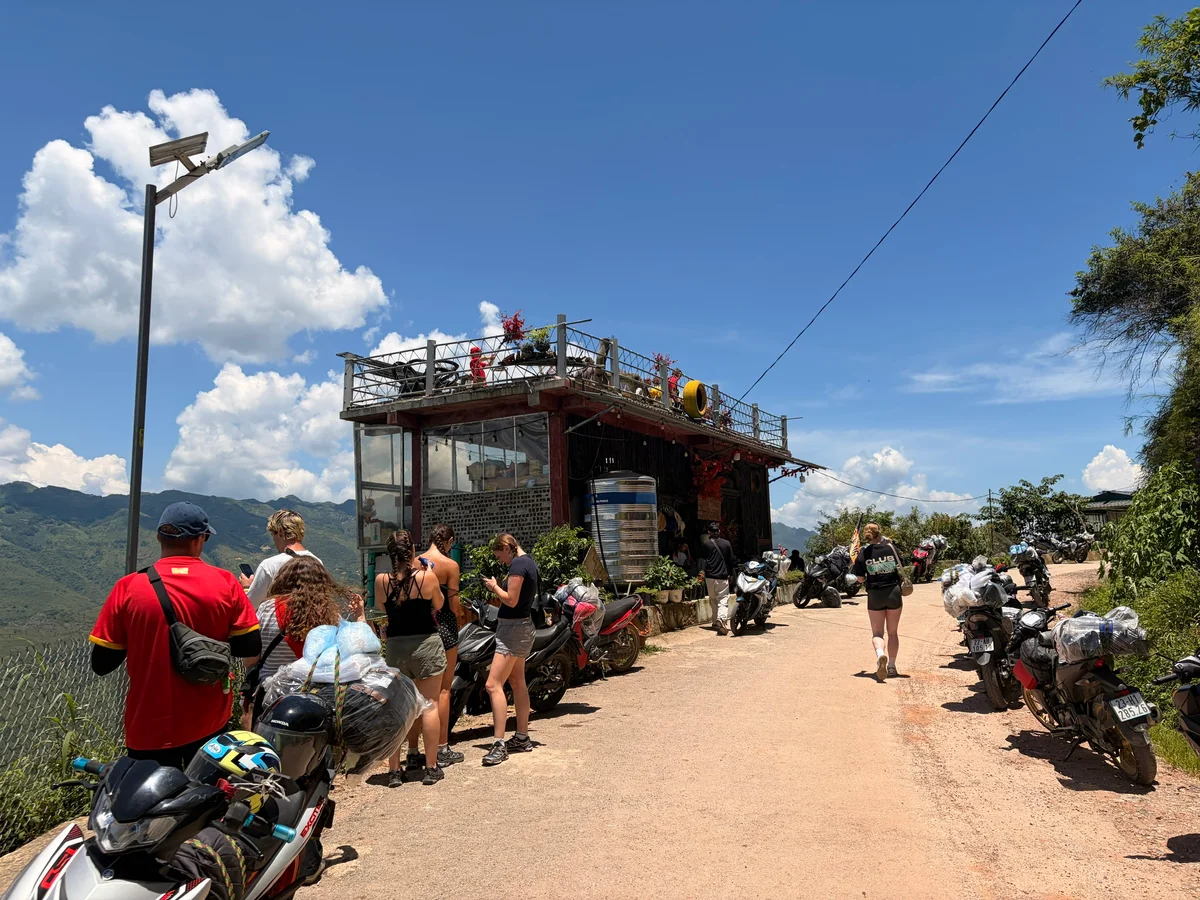
A coffee shop overlooking the Chinese border, use the binoculars inside to look across the valley and into China!
FAQs: Best Stops on the Ha Giang Loop
What is the most beautiful stop on the Ha Giang Loop?
Many travellers consider Ma Pi Leng Pass and the Nho Que River to be the highlights of the Ha Giang Loop, thanks to their dramatic cliffs, turquoise waters and unforgettable views.
Other must-see stops include Tham Ma Pass, Quan Ba Heaven Gate and the Sky Path.
However, some travellers find the quieter moments—hidden valleys, local villages and mountain cafés—the most memorable.
What are the hidden gems on the Ha Giang Loop?
While famous stops like Ma Pi Leng Pass and Lung Cu Flag Tower are popular for a reason, some of the best experiences happen away from the crowds.
Hidden gems include quiet viewpoints, local rivers, swimming spots, bamboo rafting experiences, small cafés and peaceful mountain roads.
Travelling with a local Easy Rider means discovering places that you might otherwise miss.
Can you do the Ha Giang Loop without a motorbike licence?
Yes. Many travellers experience the Ha Giang Loop by joining an Easy Rider tour, where a local Vietnamese driver rides the motorbike while you sit back and enjoy the scenery.
This is a popular option for travellers who don’t have the correct licence, don’t feel confident riding mountain roads, or simply want to focus on the views.
👉 Ha Giang Loop Easy Rider 3D2N group adventure.
Are Ha Giang Loop stops different in the rainy season?
Yes, sometimes. The rainy season can make Ha Giang even more beautiful, with greener landscapes, fuller waterfalls and dramatic clouds across the mountains.
However, weather conditions can affect certain viewpoints, river activities and road conditions, so your Bong Hostel tour leader may adjust the route to prioritise safety and give you the best experience possible.
What should I pack for the Ha Giang Loop?
Essentials include comfortable riding clothes, warm layers, waterproof gear, comfortable shoes, swimwear, sunscreen, sunglasses, a small backpack, a portable charger and a camera.
How many days do you need for the Ha Giang Loop?
Most travellers choose either a 3-day, 2-night or 4-day, 3-night Ha Giang Loop tour.
A 4-day route gives you more time to enjoy the scenery, visit places like Du Gia, stop at viewpoints and experience the mountains without rushing.
What are the best viewpoints on the Ha Giang Loop?
The most famous viewpoints include Quan Ba Heaven Gate, Tham Ma Pass, Lung Cu Flag Tower, Sky Path, Ma Pi Leng Pass and Tu San Canyon.
However, many of the best viewpoints are not marked online—which is why local knowledge from your Easy Rider and tour leader makes such a difference.
Is the Ha Giang Loop worth doing?
Absolutely. The Ha Giang Loop is about much more than mountains.
It’s the people you meet, the local food, the unexpected coffee stops, the winding roads and the scenery.
It’s an experience that stays with you long after you leave Vietnam.
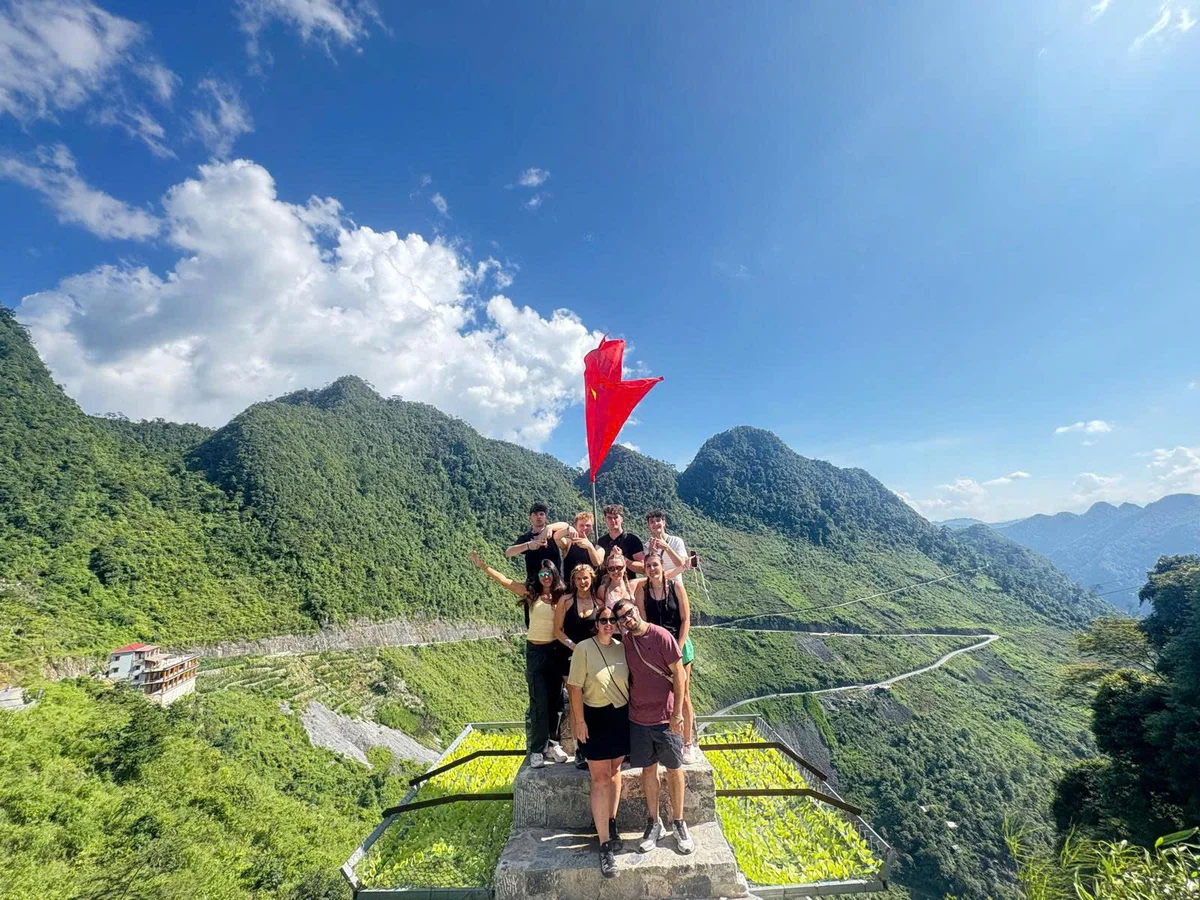
Can Ty Pass in North Vietnam
Ready to Discover the Best Stops on the Ha Giang Loop?
The Ha Giang Loop is one of those adventures that’s difficult to explain until you experience it yourself.
You can look at photos, watch videos, and read every guide online. But nothing prepares you for standing above a canyon, riding through clouds, or watching the mountains disappear into the distance.
Whether it’s your first big adventure in Vietnam or another unforgettable chapter in your travels, Ha Giang is waiting.
And with Bong Hostel, you won’t just see the best stops.
You’ll experience the stories, people and hidden places that make this region so special.
👉 Ready to explore Northern Vietnam? Book your Ha Giang Loop Easy Rider adventure with Bong Hostel today and let’s hit the mountains together.
About Faye Hilling
Travel writer and Vietnam explorer sharing authentic experiences and insider tips for discovering the beauty of Vietnam.