
Ha Giang Loop Weather in Rainy Season: Everything You Need to Know Before You Ride

Doing the Ha Giang Loop in rainy season feels like a big risk marching to the tune of “will I look like a drowned rat for 4 days?”
But here's the thing. Yes, the rainy season brings challenges. Roads can become slippery, visibility can disappear behind a curtain of mountain mist, and sudden downpours can turn a dry afternoon into an unexpected shower in minutes.
But the rainy season also transforms Ha Giang into something extraordinary.
The rice terraces become impossibly green. Waterfalls roar to life. Valleys fill with drifting clouds. Tourist numbers drop dramatically.
And on many days, you'll still find yourself riding beneath blue skies wondering where all the rain went.
If you're researching Ha Giang Loop weather in rainy season before booking your adventure, this guide covers everything you need to know.
And if you'd rather leave the riding to experienced locals, you can always join one of Bong Hostel's Easy Rider tours and enjoy the scenery while someone else handles the mountain roads.
When Is the Rainy Season on the Ha Giang Loop?
The rainy season in Ha Giang generally runs from late May until September, with July and August usually receiving the heaviest rainfall.
But while the term ‘rainy season’ makes it sound like you’ll experience months of endless rain, the reality is much different.
Most weather patterns follow a fairly predictable routine:
Sunny or partly cloudy mornings
Increasing humidity throughout the day
Afternoon or evening showers
Clearer conditions after rainfall
Of course, mountains make their own rules and sometimes it's the opposite—rainy mornings followed by sunny afternoons!
Weather forecasts can provide a rough guide, but they aren't always reliable once you enter the mountains.
That's why experienced tour operators don't focus solely on forecasts. They monitor local road conditions and adjust routes when necessary.
Read more: Rainy Season on the Ha Giang Loop: Tips, Safety, & What to E | Bong Hostels & Tours.
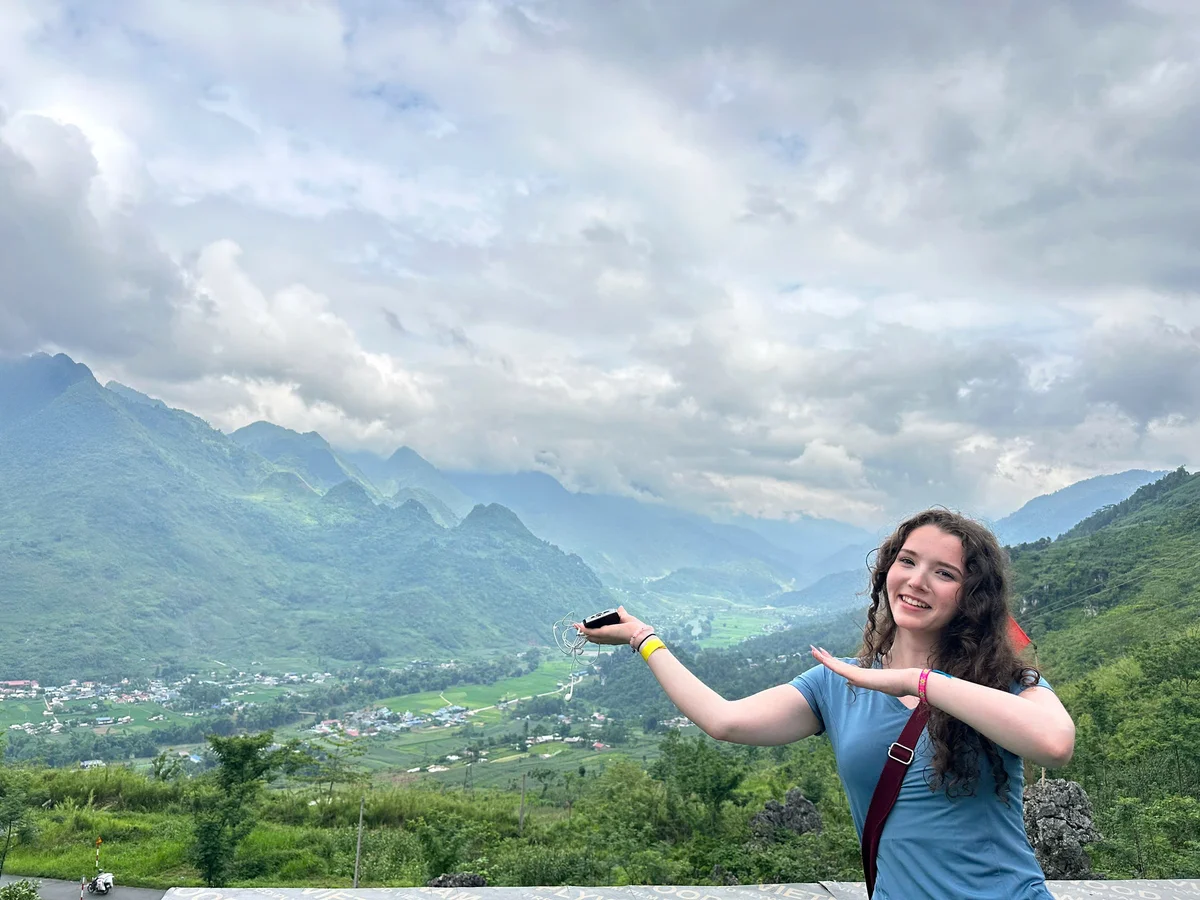
Understanding Ha Giang's Rainy Season Climate
Ha Giang City sits in Vietnam's far north and experiences a tropical monsoon climate.
This creates two very different personalities throughout the year:
During the dry season, the mountains are cooler, clearer, and generally easier to ride.
During the rainy season, everything comes alive.
Vegetation explodes into vibrant shades of green, rivers swell, making the waterfalls way more dramatic, and clouds settle upon valleys creating scenery that photographers dream about.
Temperatures during rainy season typically range between 22°C and 35°C in lower areas.
Higher-altitude destinations such as Dong Van and Meo Vac often feel noticeably cooler, especially early in the morning and after sunset.
The result is a strange combination of tropical heat in the valleys and surprisingly cool mountain air at higher elevations.
That's why packing layers is just as important as packing waterproofs.
Read more about what to Wear on the Ha Giang Loop in the Rainy Season.
Month-by-Month Guide to Ha Giang Loop Weather in Rainy Season
Here’s a super quick rundown:
Late May: Transitional month—rainy season starts becoming noticeable
June to August: Peak rainy season
September: Transitional month again—early September can still be quite wet, while late September is often significantly drier
Now let’s break them down in more detail.
Late May: The Season Begins
Towards the end of May the rainy season starts becoming noticeable as the new season begins.
The landscape starts becoming greener, temperatures rise, and rainfall begins increasing.
Many travelers actually find May one of the most enjoyable wet-season months because conditions haven't yet reached peak monsoon levels.
Expect:
Warm temperatures
Occasional afternoon showers
Greener scenery
Lower crowds than peak season
Read more about doing the Ha Giang Loop in the shoulder season.
June: Things Start Getting Serious
June brings more consistent rainfall as afternoon storms become more common and humidity levels begin climbing.
Roads remain manageable most of the time, but riders should expect occasional wet conditions and muddy sections.
👉 Psst! The upside of doing the Ha Giang Loop in June is that the scenery is out of this world. Rice terraces begin glowing bright green and waterfalls start flowing at full strength.
July: Peak Rainy Season
July is often considered the wettest month of the year as heavy thunderstorms become more frequent and weather conditions can change rapidly.
One minute you'll be admiring Tham Ma Pass in HD and the next you’ll be riding through a blanket of fog.
This is also when road conditions become most unpredictable.
Read more about Ha Giang Loop road conditions.
August: Peak Rainy Season
August continues the rainy season pattern, although many travelers are surprised by how much sunshine they still experience.
The mountains are at their greenest, waterfalls are flowing powerfully, and tourist numbers remain relatively low.
If you don't mind flexibility and occasional rain, August can be a fantastic month to do the Ha Giang Loop.
September: Transitional Month
September is often overlooked as a good month to do the Ha Giang Loop.
Rainfall often begins to decrease towards the end of the month and temperatures become slightly more comfortable.
Not to mention the famous rice terraces begin turning golden as harvest season approaches.
Many experienced travelers consider September one of the most rewarding times to visit Ha Giang.
You still get much of the lush scenery from rainy season while enjoying more stable weather conditions.
Read our full Ha Giang Loop weather breakdown.
Ha Giang's Rainy Season at a Glance
Month | Rainfall | Scenery | Crowds | Best For |
Late May | Light to moderate | 🌿🌿🌿🌿 | Low | Travelers wanting greener landscapes without peak monsoon weather |
June | Moderate | 🌿🌿🌿🌿🌿 | Low | Lush scenery, waterfalls and quieter roads |
July | Heavy | 🌿🌿🌿🌿🌿 | Very low | Adventurous travelers and photographers who don't mind flexibility |
August | Heavy | 🌿🌿🌿🌿🌿 | Low | Dramatic mountain scenery with fewer tourists |
September | Moderate, decreasing later in the month | 🌾🌾🌾🌾🌾 | Medium | Golden rice terraces and a balance of good weather and beautiful scenery |
Does It Actually Rain All Day?
This is probably the most common question we hear and the answer is no; it does not usually rain all day.
Many first-time visitors imagine endless rain from morning until night but what actually happens is often very different.
A typical rainy-season day on the Ha Giang Loop might include:
Sunny morning
Cloud build-up around lunchtime
One or more heavy showers
Clear conditions afterwards
Of course, there are exceptions.
Some days genuinely are wet from start to finish.
But many travelers are surprised by how much dry riding time they get, even during July and August.
The key is staying flexible and being prepared for changing conditions.
Why Visit the Ha Giang Loop During Rainy Season?
Let's talk about why people still choose to do the Ha Giang Loop in the rainy season.
1. The Landscapes Are Incredible
As I said before, this is the greenest Ha Giang ever gets. So if you’re chasing dramatic scenery, rainy season delivers.
2. Waterfalls Are at Their Best
Many waterfalls that slow to a trickle during drier months become powerful natural attractions during rainy season.
Places around Du Gia become particularly beautiful and Ban Gioc Waterfall in Cao Bang is so powerful you’ll feel the spray on your face from the boardwalk.
Swimming spots become much more inviting, rivers become more impressive, and little waterfalls appear along the roadside.
3. Fewer Tourists
One of the biggest advantages of the rainy season is space.
Popular viewpoints feel quieter
Homestays are less crowded
Roads are less busy
Instead of sharing every viewpoint with dozens of travelers, you often get a much more authentic experience.
The Ha Giang Loop has exploded in popularity in recent years, discover if it is still the right adventure for you.
4. Better Value
Rainy season is considered the low season.
That means:
Tour prices are often more competitive
Companies often run low season discounts, bundle deals, and group savings
Accommodation availability improves
Popular routes feel less crowded
For budget-conscious backpackers traveling Vietnam, this can be a major advantage.
Is the Ha Giang Loop Safe in Rainy Season?
It wouldn't be fair to discuss the benefits without acknowledging the challenges.
1. Slippery Roads
The biggest concern for travelers at any time of year is their safety.
This risk naturally increases during the rainy season when road conditions can become significantly more hazardous.
Certain sections can become slippery after heavy downpours, particularly where mud, clay, or debris accumulate.
👉 It's really important to consider the safety concerns of doing the Ha Giang Loop during the rainy season. Bong Hostel will always prioritize customer safety but the road conditions are no joke.
2. Reduced Visibility
Fog can roll into mountain passes quickly.
At higher elevations, visibility sometimes drops significantly.
While this creates incredible photographs for those who booked an Easy Rider, it does require extra caution from self-riders.
3. Landslides and Road Closures
Heavy rainfall occasionally triggers landslides and flooding.
Major roads are usually cleared quickly, but smaller routes can experience temporary disruptions.
This is one reason guided tours can be beneficial during rainy season.
Local guides often know alternative routes and receive updates from their support drivers, who scout ahead throughout the day.
Can Buses Still Reach Ha Giang in the Rainy Season?
Most of the time, yes.
However, exceptionally heavy rainfall or landslides can occasionally delay buses entering or leaving Ha Giang.
That's why we always recommend keeping your travel plans flexible during the rainy season.
4. Increased Fatigue
Riding in hot, humid conditions can be surprisingly exhausting.
Combined with rain gear and changing weather, rainy-season riding often requires more energy than visitors expect.
Read more about self-riding the Ha Giang Loop before you try it for yourself.
Should You Avoid the Ha Giang Loop During Rainy Season?
Not necessarily, but you should choose the right type of tour.
For experienced riders with strong motorbike skills, rainy season can be a rewarding adventure.
For beginners, it's a different story.
Wet mountain roads aren't the ideal place to learn, which is why Bong Hostel strongly recommends their Easy Rider Ha Giang Loop package.
Instead of worrying about road conditions, visibility, or navigation, you can focus on enjoying the scenery while experienced local drivers handle the riding.
For many travelers, it's a safer, more comfortable, and often much more enjoyable way to experience the Loop during the rainy season. Plus you get a brand new bestie and top-class Princess Treatment to go with it!
What Should You Pack for the Ha Giang Loop in Rainy Season?
Packing for the rainy season requires a little strategy.
Essential Rainy Season Packing List
Waterproof Jacket: Personally, I love a good Bong Hostel waterproof poncho, trousers, and booties combo but a good waterproof jacket during the rainy season should never be left behind.
Waterproof Bag or Dry Bag: If you’re wearing a poncho you can wear your crossbody bag beneath it but if you’re relying on a waterproof jacket you’ll want extra protection for that small bag carrying your everyday essentials.
Extra Clothes: Bring more pants, socks, T-shirts than you think you’ll need in case of an unexpected downpour.
Shoes With Good Grip: Wet surfaces and muddy trails make proper footwear important.
Mosquito Repellent: More moisture means more insects. Mosquitos can carry diseases in parts of Southeast Asia, so it's well worth packing insect repellent and using it regularly, particularly around dawn and dusk.
Swimwear: Many travelers leave this behind because they're expecting rain. Then they arrive at a beautiful waterfall wishing they'd packed it. Don't make that mistake.
Sun Protection: Yes, sun cream, sun glasses, and sun hats are essential even during rainy season.
For the complete checklist, read our full packing guide.
Best Things to Do on the Ha Giang Loop During Rainy Season
Loop activities remain relatively unaffected during the rainy season.
This means there’s still plenty to do, such as:
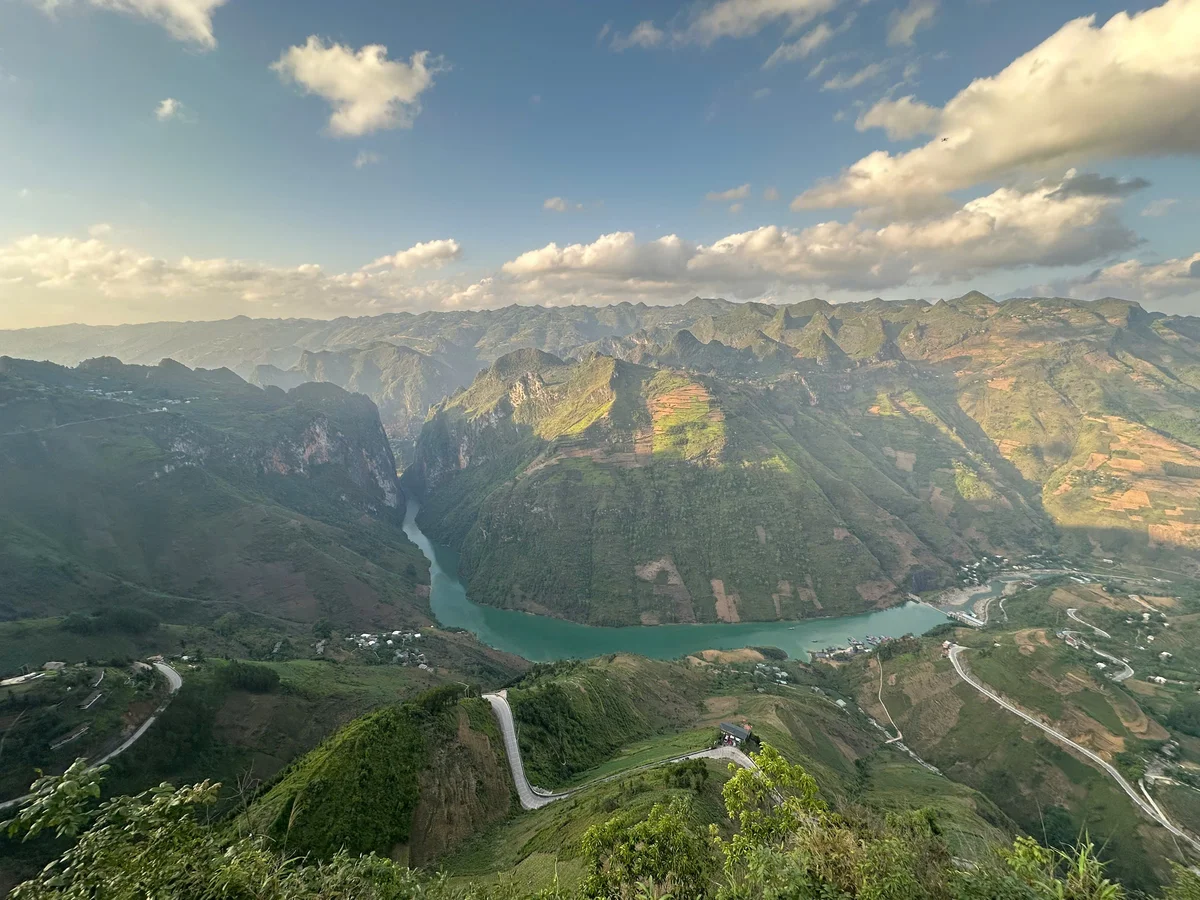
Ride Ma Pi Leng Pass: Ha Giang’s Happiness Road is still ready and waiting.
Cruise the Nho Que River: Higher water levels means even more river to enjoy but do note, it might not be the emerald green you’re expecting if there have been landslides further upstream.
Explore Dong Van Old Quarter: Join a Bong Hostel Culture Tour to witness an evening performance in this historic town.
Visit Local Markets: Rainy season offers fantastic opportunities to experience local culture without peak-season crowds.
Swim in Du Gia Waterfall: When conditions allow, the waterfalls and swimming areas around Du Gia become major highlights.
Stay in Traditional Homestays: Family dinners, local stories, Happy Water, and cultural experiences, after the day’s riding ends, often become travelers' favorite moments.
Sample local delicacies: Try local cuisine during the rainy season for a taste of Ha Giang. These dishes include sticky rice and traditional soups.
Why an Easy Rider Tour Makes Even More Sense in Rainy Season
If you're visiting during June, July, August, or September, an Easy Rider tour becomes even more appealing.
Instead of worrying about:
Slippery roads
Unexpected weather
Navigation
Mechanical issues
Route changes
Bong Hostel's local guides ride these roads year-round.
This means they know which sections require caution, which viewpoints are worth stopping at, and how to adapt when conditions change.
You can simply enjoy the journey.
Read more about why you should get an easy rider for the Ha Giang Loop.
FAQs: Rainy Season Weather on the Ha Giang Loop
1. Does it rain all day on the Ha Giang Loop in the rainy season?
No. Most days have a mix of sunshine and showers, often with rain choosing the morning, or the afternoon. There are rain storms quite regularly throughout the night though.
2. Is the Ha Giang Loop safe in the rainy season?
Yes, but conditions can be slippery and foggy, so caution is needed—especially for self-riders.
3. What is the wettest month in Ha Giang?
July is typically the wettest month, followed closely by August.
4. Should beginners do the Ha Giang Loop in the rainy season?
Beginners are generally better off joining an Easy Rider tour due to changing road conditions.
5. Is it worth doing the Ha Giang Loop in the rainy season?
Yes, if you want lush scenery, fewer crowds, and don’t mind occasional rain.
6. What should I pack for the Ha Giang Loop in the rainy season?
Waterproof gear, good footwear, insect repellent, and dry bags are essential. But so are swimsuits and sun protection too!
7. Will buses still run to Ha Giang in the rainy season?
Usually yes, but heavy rain or landslides can occasionally cause delays.
Final Verdict: Is the Ha Giang Loop Worth Doing in Rainy Season?
Yes, but with realistic expectations. For instance, if you're expecting guaranteed sunshine every day, then the rainy season probably isn't for you.
But if you're looking for dramatic landscapes, fewer crowds, vibrant green mountains, powerful waterfalls, and a more adventurous side of northern Vietnam, rainy season can be spectacular.
And here's the funny thing about Ha Giang Loop weather in rainy season:
Most travelers arrive worried about the rain and many just end up topping up their tan from the Phi Phi Islands and marveling over the scenery.
Because if you've managed to squeeze your entire life into a 40-litre backpack, you're already adaptable enough for the rainy season.
Ready to Experience the Ha Giang Loop in Rainy Season?
Bong Hostel runs Ha Giang Loop tours throughout the year with experienced local guides, Easy Riders, comfortable accommodation, and all the support you need for an amazing adventure.
👉 Book your Ha Giang Loop tour with Bong Hostel today and let us handle the roads while you focus on the views.
About Faye Hilling
Travel writer and Vietnam explorer sharing authentic experiences and insider tips for discovering the beauty of Vietnam.