
Culture Shock Moments in Vietnam: 39 Things That Will Surprise Every Traveler Visiting North Vietnam
North Vietnam doesn’t do gentle introductions. It throws you into the street, points at the chaos, and expects you to keep up.
In Hanoi, traffic doesn’t flow, it moves like a living thing. Meals happen on tiny plastic stools at the edge of the pavement. Strangers hand you fruit like it’s the most normal thing in the world. And somewhere in the background, a motorbike horn never really stops.
At Bong Hostel, we see it all the time—that first moment when travelers look around and think: “what is actually going on here?”
That feeling is culture shock in Vietnam.
But here’s the twist: the things that confuse you at first are usually the things you miss the most when you leave.
This guide breaks down 39 of those moments—the funny ones, the overwhelming ones, and the ones that slowly turn into your favorite memories of the whole trip.
What Culture Shock Moments in Vietnam Actually Mean
Culture shock is entering another country and having your brain go, “this is not the system I installed.”
They usually hit when:
Everyday habits suddenly look unfamiliar
Social rules feel reversed
or you realise you’re the weird one in the room
Vietnam is especially good at triggering this because life here runs on its own rhythm.
It blends tradition, improvisation, community habits, and a healthy disregard for rigid “rules” foreigners often expect.
So what feels “strange” to visitors is often just… normal here.
Understanding this turns confusion into curiosity. And curiosity is what makes travel in Vietnam (or anywhere) exciting and enlightening… and very difficult to leave behind.
Initial Culture Shock Moments: Traffic, Street Chaos, and Scams
1. The Honking Never Stops
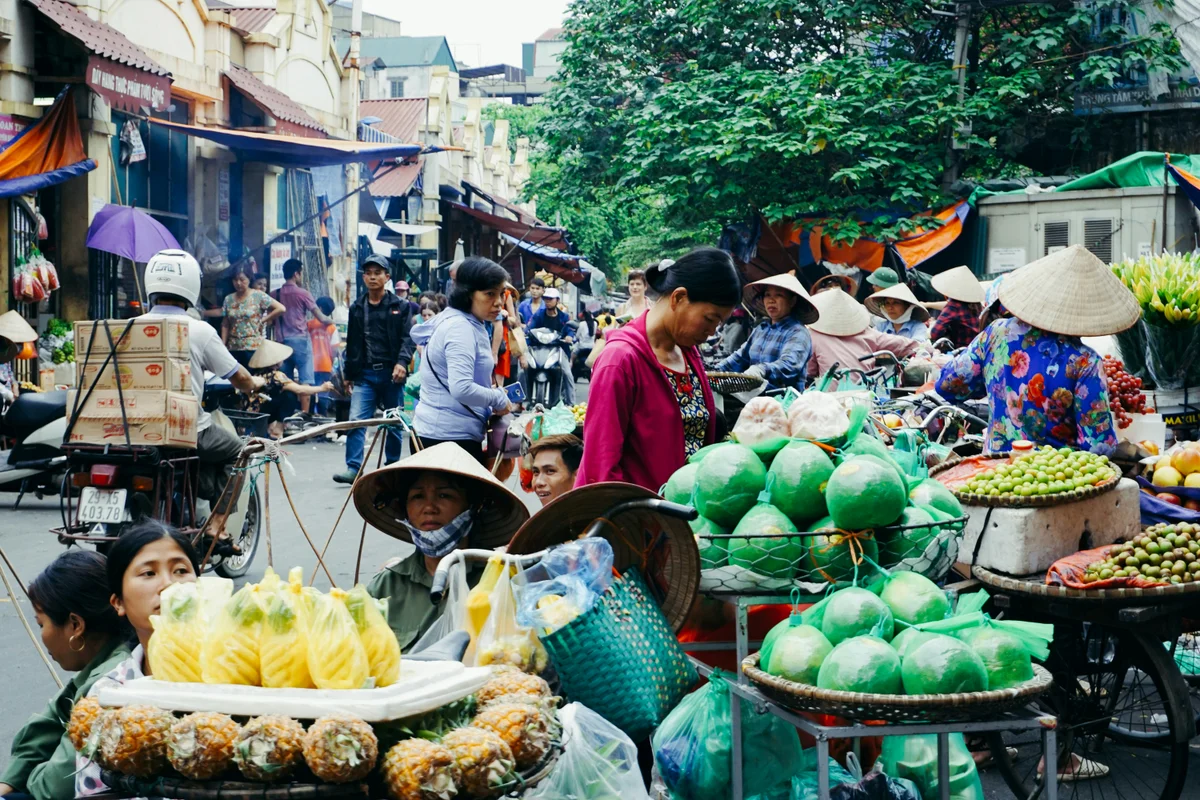
Vietnamese traffic uses their horns as a form of communication.
They’re not used in anger or frustration like other parts of the world. They tend to be little friendly ‘peep peeps’ signalling that they’re there, or that they may be overtaking.
At first, it sounds like chaos and it can be overwhelming. But then it becomes background noise and eventually, silence feels suspicious.
2. Crossing the Road Is a Task
One of the most famous Culture Shock Moments in Vietnam is crossing the street.
Because Vietnamese traffic is continuous with no gaps or pauses, you have to quite literally go with the flow.
Make sure you walk slowly with your arm raised.
Don’t stop
Don’t step backwards
Don’t panic
The traffic adjusts to you—not the other way around.
3. Sleeper Buses Are a Thing
Buses with beds instead of seats are common for long-distance travel.
They’re cheap, efficient, and surprisingly comfortable.
Read more about Vietnamese sleeper buses.
4. Public Transport: Chaotic But Functional
Speaking of sleeper buses, at least once during your travels you will encounter the following:
Animals on buses
People lying in the aisles that don’t have seats or beds
Crazy driving (weaving, overtaking, and honking)
Vinahouse playing loudly from the front
Locals watching reels loudly without headphones
Late departures
Transport changes midway through your journey
Random pit-stops for food, toilet breaks, or to pick up locals
Thinking you’ve been abandoned on the side of the road only for a random transfer car to pull up and know exactly who you are and where you need to be
Everything feels unstructured—but somehow works.
5. Money, Tipping & Scam Awareness
Tipping in Vietnam is not expected but it is really appreciated
Bargaining is common in markets (if something does not have a price tag)
Small scams or overpricing can happen in tourist areas
Most transactions are fair, but awareness helps.
It’s also important not to get too carried away—bartering is supposed to be fun. So do it with a smile and refrain from offering a vendor less than half of the asking price.
Read more about common tourist scams in Vietnam and how to avoid them.
6. Sidewalks Are Not Just for Walking
Sidewalks in Vietnam are:
Kitchens
Restaurants
Bars (peep the little plastic chairs and tables)
Parking lots
Social spaces
Sleeping areas
Business extensions
Walking them can feel like an obstacle course, and that is completely normal.
7. Public Sanitary Standards Can Feel Different
In public spaces:
Litter exists more visibly
Cleaning happens constantly behind the scenes
Sanitation workers are very active
It may be a culture shock moment for travelers at first, but then it all becomes part of the experience.
The Ha Giang Loop Culture Shock: Motorbikes, Easy Riders, and Mountain Roads
8. Why Motorbikes Feel Different in Vietnam
Before Vietnam, motorbikes felt different. They were simply a vehicle—something you either knew how to drive or you didn’t.
Then you arrive in Vietnam and you quickly notice that motorbikes aren’t just transport—they’re basically the entire infrastructure of daily life.
Families of four balanced like it’s normal. Entire shop deliveries stacked higher than the rider. Dogs, bags, live chickens, furniture… sometimes all at once.
And somehow, it all moves through the same space without everything collapsing into chaos.
At first it looks completely unmanageable. Then your brain quietly recalibrates. And suddenly it doesn’t look strange anymore—it just looks… normal.
9. Riding the Ha Giang Loop Experience
For most backpackers, the Ha Giang Loop ends up being the thing they talk about the most long after Southeast Asia is over.
Not just because it’s incredibly scenic—but because it makes you feel properly alive in a way that’s a bit hard to explain without sounding dramatic.
It’s early mornings on mountain roads that wind in ways your brain doesn’t fully trust yet and sharing “happy water” with new friends in authentic homestays.
The mountains, the karaoke, the laughter, the drinks, the unexpected conversations in broken English and hand gestures.
You don’t really “complete” the Ha Giang Loop.
You just kind of come out of it a different version of yourself—slightly more confident, slightly more reckless, and definitely more convinced that normal life is a bit too quiet.
10. Easy Riders in Vietnam (Guides, Safety & Experience)
Easy Riders aren’t just local drivers. They’re part guide, part translator, part new best friend who casually knows every road like it’s their own backyard (it kind of is!).
They’ll take you through routes you wouldn’t find on your own, slow down at the right moments, and point out things you would’ve missed completely.
They quietly make the whole thing feel a lot less intimidating than it looks from the outside so that you can actually enjoy the adventure.
Read more about why you should get an easy rider for the Ha Giang Loop.
11. Locals, Kindness & Life on the Mountain Roads
One of the most unexpected parts of the Ha Giang Loop isn’t actually the roads. It’s the people.
Because while you’re focused on cliffs, corners, and trying not to overthink every turn, life is just… happening around you in the most effortless way.
You’ll pass tiny villages where kids suddenly appear at the side of the road, waving like they’ve been waiting for you specifically. Not in a touristy, performative way—just genuine curiosity and excitement.
You’ll see farmers working fields carved into the mountainsides, completely unfazed by the scale of the landscape around them.
Water buffalo standing in rice paddies or wandering across the road like they have full right of way (which, honestly, they do).
Chickens, dogs, goats—all moving freely through spaces that feel like they shouldn’t belong to anyone in particular, but somehow clearly do.
There’s a kind of quiet rhythm to it all.
And then there are the small moments of kindness that catch you off guard:
A nod from someone you pass
A wave from a roadside stall
A smile from someone who doesn’t speak your language but somehow still makes you feel like you’re exactly where you’re supposed to be
It’s easy to think of the Ha Giang Loop as just a motorbike route. But really, it’s a series of tiny human moments that stay with you forever.
Daily Life Culture Shock Moments in Vietnam
12. Age Hierarchy
Vietnamese language and respect systems change depending on age.
Before even speaking properly, you’re mentally calculating: is this person older? Younger? Equal to me?
This shapes pronouns, tone, and interaction style.
13. Smiling Doesn’t Always Mean “Yes”
This is one of the most misunderstood culture shock moments in Vietnam.
A smile can mean:
Yes
No
I don’t know/understand
I don’t want conflict
Context matters more than expression. Try to read a little deeper into the interaction, taking into account things like body language too.
14. Vietnamese People Think Being Late Is Normal
Time is flexible in Vietnam.
Friends might show up late
Events might shift (changing time and even location)
Plans might evolve into something completely different
It's not considered disrespectful, Vietnamese people simply have a different relationship with urgency.
15. Napping Culture in Vietnam
This Vietnamese culture shock surprises everyone.
You’ll see:
Shop owners sleeping at the back of shops
Motorbike drivers napping on their bikes
Locals resting anywhere possible… benches, sidewalks, bus aisles.
It’s not laziness (because Vietnamese people are some of the hardest working people you’ll meet) It’s actually survival in a hot, busy climate.
16. Shoes Off When Entering Houses
Removing shoes before you enter someone’s home is a non-negotiable cultural rule in Vietnam.
It might seem strange to some cultures but in Vietnam taking off your shoes is done for respect and cleanliness.
17. Gestures and Pointing
Pointing directly at someone in Vietnam can come across as rude or too direct, so you’ll rarely see locals doing it. Instead, open-hand gestures are much more common and considered far more polite.
One thing that catches most travelers off guard is how people beckon you over.
In Vietnam, instead of curling fingers upwards like in the UK, the hand is usually held palm facing down, with the fingers gently waving towards the floor.
At first, it honestly looks like they’re waving goodbye rather than calling you over—and it catches almost everyone out at least once.
It’s one of those small things that feels completely backwards when you’re used to Western gestures, but in Vietnam it’s just normal, everyday communication.
18. Personal Space Is Not a Given
Queues, buses, cafés—everything is closer than most Western travelers expect or are comfortable with.
It can feel a bit stifling at first and lead to frustration, but it's good to remember that locals don’t mean to invade your personal space.
They simply consider communal spaces… communal.
19. Gifts From Strangers
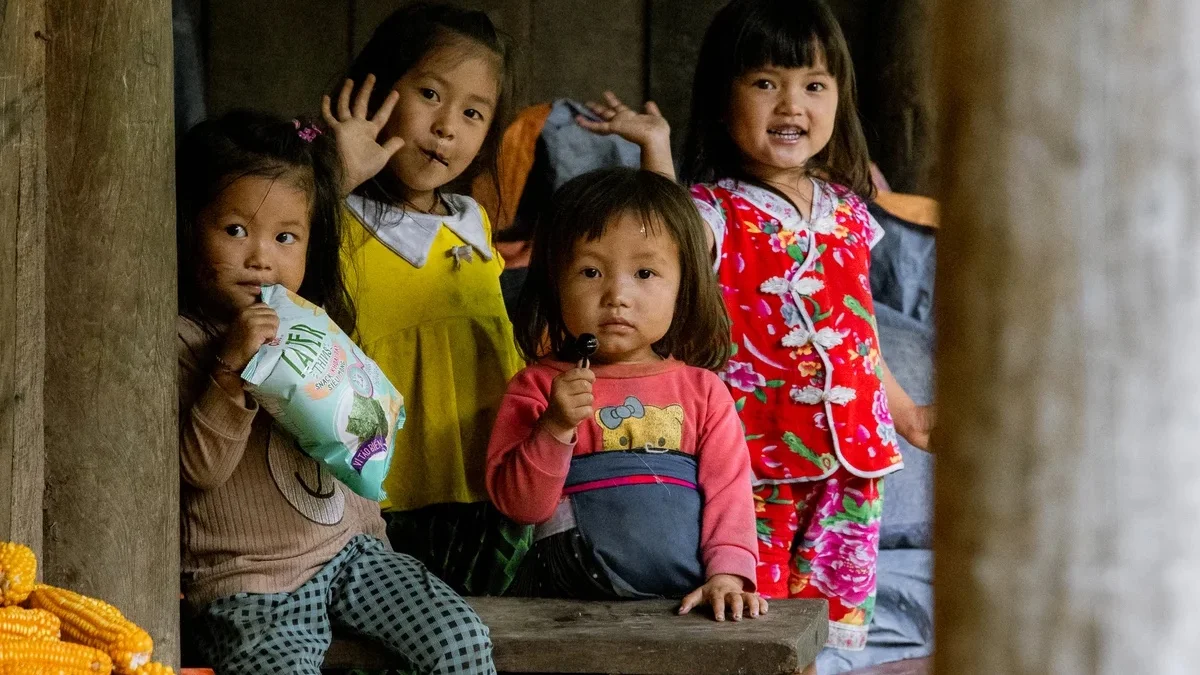
One of the most wholesome culture shock moments in Vietnam is when a sweet local comes up to you with a little present.
You might be offered:
Fruit
Snacks
Food from a motorbike
Flowers from children
Bracelets from Bong Hanoi staff (if you know you know)
Kindness without expectation
At first the sheer kindness can feel shocking, “are they really giving me something for nothing?!” because that’s often what we’ve been conditioned to query outside of Asia.
You might be inclined to politely decline, but it's okay, it's expected that you will accept a gift… they really do want to give it to you.
Food, Drink, and Eating Culture that Shocks First-Time Visitors to Vietnam
20. Dogs and Cats on Menus (In Some Areas)
In certain parts of Vietnam, particularly in more traditional or rural areas, you may come across foods that feel unfamiliar to Western travelers—things like frog, snake, snail, horse, and in some cases, historically, dog or cat.
This is one of those culture shock moments that hits people differently, but it’s important to understand it in context rather than reaction.
These dishes are part of older regional food traditions, even if they are becoming far less common, especially in cities where younger generations are moving away from them.
You don’t have to like it, or try it—most travelers don’t—but it’s one of those moments where Vietnam reminds you that food culture is deeply regional, historical, and not designed around outside expectations.
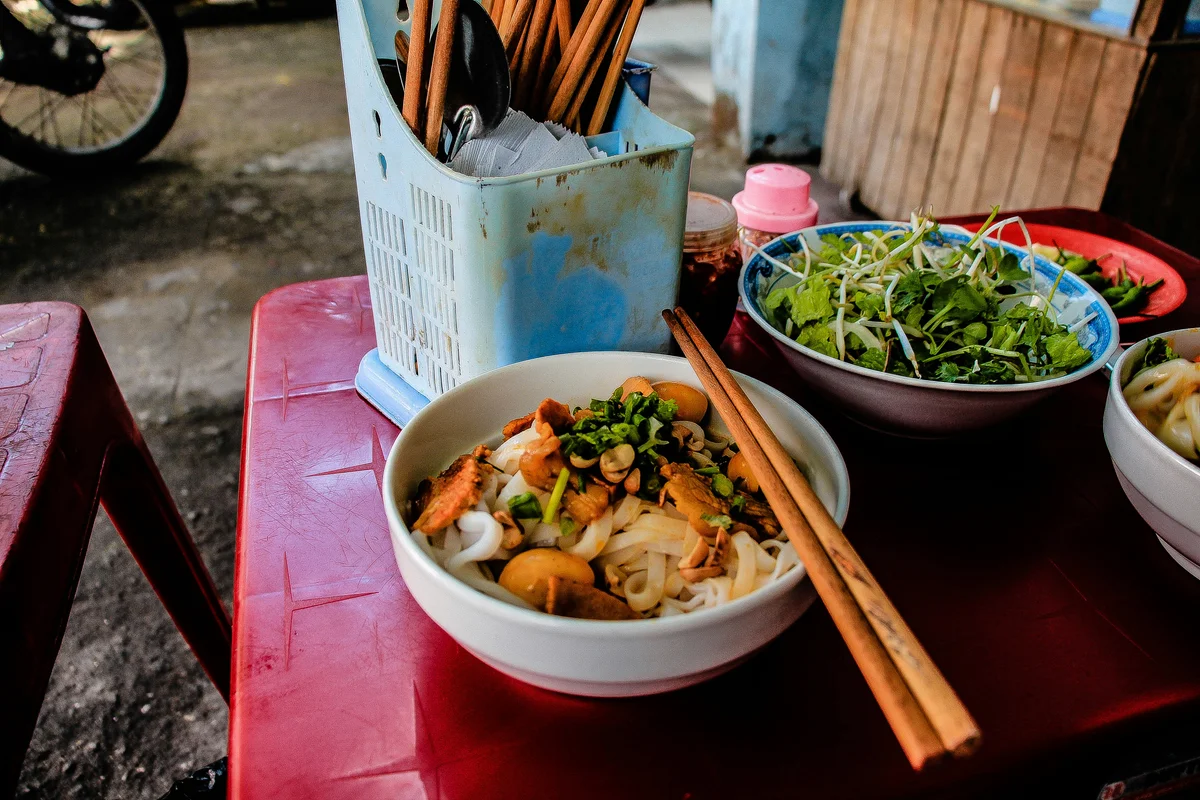
21. Street Food Is Everywhere (and accompanied by alcohol)
Food is fresh, fast, and central to daily life.
It’s also typically a social event with beer or rice wine heavily involved.
Eating happens:
On sidewalks
Outside shops
In tiny alleyways
Next to traffic
On little plastic stools
And almost always, there’s something to drink alongside it—beer, rice wine, or something local being poured into small glasses that get refilled faster than you can keep track of.
Meals aren’t treated as a formal event. They’re social, quick, noisy, and constantly happening in the background of daily life.
You’ll quickly realise you can be starving at 2pm or stumbling home at 2am and still somehow end up eating the freshest meal of your life on a random corner you didn’t plan to be on.
Discover different dishes to try in North Vietnam.
22. Loud Eaters (and Why It’s Normal Here)
One of the first things people notice—and sometimes struggle with—is the sound of eating.
Slurping, chewing, sipping soup loudly… It's all completely normal here. In fact, in many cases it signals enjoyment rather than lack of manners.
Food here isn’t quiet or restrained. It’s experienced properly.
If you’ve grown up with Western table etiquette, it can feel surprising at first, but very quickly it just becomes part of the background noise of Vietnam — like traffic or street vendors calling out orders.
23. Soup for Breakfast
Breakfast in Vietnam doesn’t follow the rules most travelers are used to.
Instead of toast or cereal, you’ll see steaming bowls of pho, banh cuon, or bun cha being eaten at 6 or 7 in the morning like it’s the most normal thing in the world—because it is.
Hot soup in the morning sounds strange until you realise how it fits the climate, the pace of life, and the fact that people here start early and eat for energy rather than routine.
And if you’ve had a long night on beer or rice wine, it suddenly becomes one of the best decisions you didn’t know you needed.
24. Food Flavours Change by Province (and So Does Everything Else)
One of the most surprising things about Vietnam is how much the food changes as you move through the country.
A pho in the North doesn’t taste like a pho in the South. Central Vietnam leans spicier, stronger, more intense. The South tends to be sweeter, softer, more layered.
It’s not just variation—it feels like three different food identities existing within the same country.
So as you travel, you’re not just eating different dishes. You’re moving through completely different interpretations of what “Vietnamese food” even means.
25. Smoking Is Cheap and Everywhere
Smoking in Vietnam can feel much more visible than what many travelers are used to.
Cigarettes are inexpensive, and smoking is common in both social and everyday settings—outside shops, at cafés, on street corners, sometimes even in spaces where you wouldn’t expect it.
For some travelers, especially those from countries with strict indoor bans, this becomes one of those unexpected background culture shocks that takes a while to get used to.
26. Smoking a Bong (Tobacco Culture, Not What You Think)
In parts of Northern Vietnam, you might also come across locals using a traditional wooden water pipe—often casually referred to as a “bong”.
It’s important to be clear here: this is tobacco, not cannabis. And it is strong.
These pipes are often shared, left in communal spaces, and used in a very matter-of-fact way—almost like making tea, but with far more intensity.
It’s one of those moments where what you think you’re seeing and what’s actually happening don’t match at all.
The Scenery in Vietnam is One of the Best Shocks
27. Vietnam’s Scenery is Very Diverse
One of the first things people don’t really expect about Vietnam is how quickly everything changes.
This isn’t a country with “nice views.” It’s a country with completely different worlds depending on where you are.
Ha Long Bay looks like someone dropped limestone islands into the ocean and left them there just to see what would happen. Rock towers rising straight out of water, boats drifting through them like they’re not entirely meant to be there.
Then you move inland to Ninh Binh and everything shifts. Same limestone formations, but now they’re sitting in rice fields and rivers instead of the sea. Quieter. Flatter. More grounded. Like the same idea, just in a different mood.
And that pattern keeps repeating.
28. Mountains That Don’t Behave Like Mountains
The first time the scenery properly shocks you (in the best way) is usually up north.
At first Ha Giang’s landscape doesn’t look real, almost like a painting or postcard.
One minute you’re on a road that feels normal enough, and the next you’re winding through mountains that look like they’ve been stacked, folded, and dropped into place without much concern for geometry.
The roads carve through cliffs in ways that don’t feel like they should exist. You look down one side and it drops into nothing. You look up the other and it just keeps going.
It doesn’t feel like “landscape” at that point—it feels like you’re moving through something too large to properly process.
And yet there are villages tucked into it. People farming. Kids playing. Life just… continuing like this is completely standard.
29. Rice Terraces That Change With the Seasons
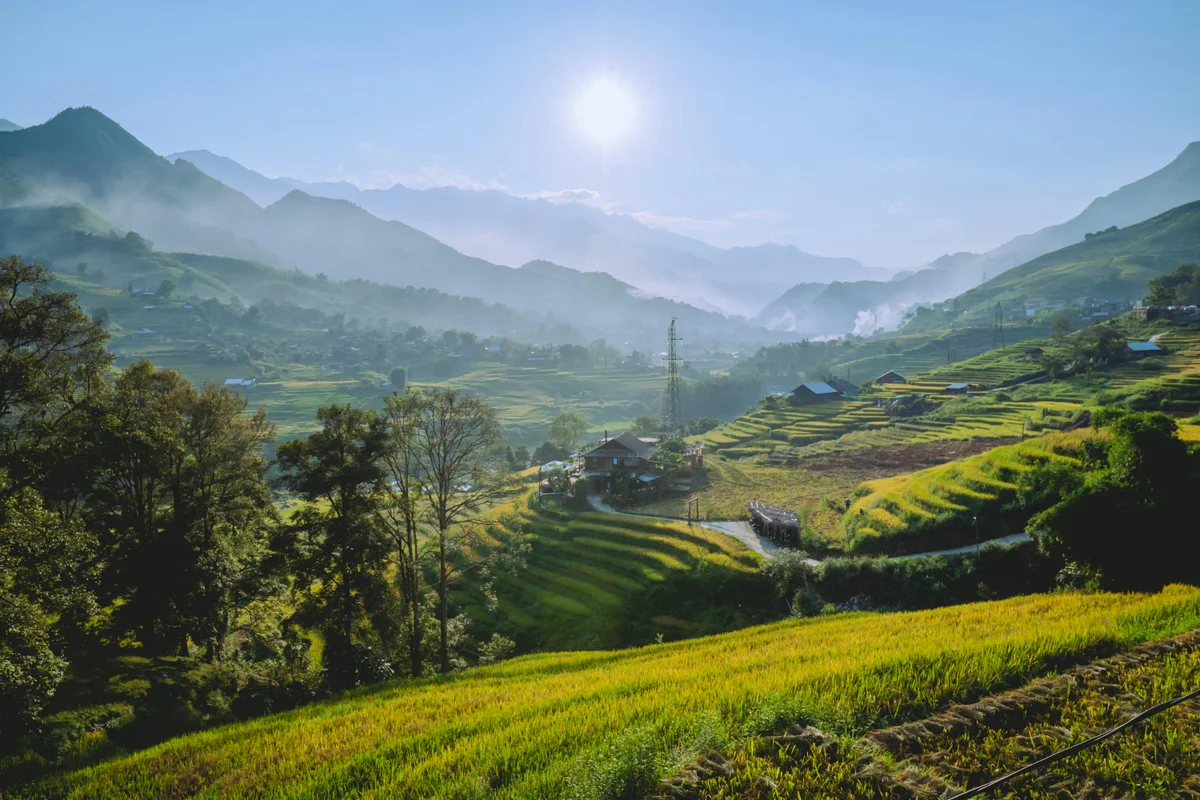
The rice terraces in North Vietnam are not just for show—they’re working farmland, carved into the mountains by generations of farmers.
Every level exists for a reason, shaped by water flow, planting cycles, and the practical need to grow rice in steep terrain.
And depending on when you visit, it looks completely different.
In planting season, the terraces fill with water and reflect the sky like broken mirrors across the mountains
In summer, everything turns deep green and dense, like the hills have been painted
In harvest season, the entire landscape shifts to gold, stretching across the valleys like it’s glowing
Clouds roll in and out constantly, dropping whole sections of the valley into mist before revealing them again like nothing ever happened.
It’s one of those places where you stop trying to take the “perfect photo” because the scene changes before you even lift your camera.
Discover the best rice terraces to see in North Vietnam.
30. Reality Check: Plastic Use Is Very Visible
Alongside the scenery, there’s another side of Vietnam that visitors notice quickly.
Single-use plastics are still very visible, especially in everyday street food culture—bags, cups, straws, and containers are used constantly and often without much ceremony.
It can feel jarring at first, especially when you’re moving between places like mountains, beaches, and rural areas where the contrast becomes more obvious.
Environmental awareness is increasing, particularly in cities, but practices still vary widely depending on location and convenience.
It’s one of those moments where the reality of daily life sits right next to some of the most beautiful landscapes you’ll ever see.
Language, Beliefs & Social Etiquette that Shape Everyday Life in Vietnam
31. Countless Dialects Across the Country
As you travel from North to South, the same words can sound noticeably different, sometimes to the point where they feel like entirely separate variations of Vietnamese rather than the same language.
Locals can often tell exactly where someone is from just by how they speak—the tone, rhythm, even the way certain sounds are shaped.
For travelers, it adds another layer of confusion at first, but also another reminder that Vietnam isn’t one single uniform culture—it’s a collection of regional identities stitched together.
32. Country and Family Always Come First
One of the deeper culture shifts in Vietnam is how central family and collective identity are.
Decisions are often made with the wider family in mind, not just the individual. That can feel unfamiliar if you’re coming from a culture where independence and personal choice are prioritised above everything else.
Here, it’s often the opposite. Choices are weighed against responsibility, respect, and what benefits the wider family unit.
It’s one of those cultural differences that doesn’t fully make sense until you’ve spent enough time here to see how naturally it shapes everyday life.
33. Superstitions and Spiritual Beliefs Are Everywhere
Vietnamese daily life is quietly shaped by belief systems that sit just beneath the surface of everything.
You’ll notice small things—avoiding certain numbers, choosing “good days” for important events, or small rituals around luck and timing.
It doesn’t feel dramatic or performative. It just exists in the background, influencing decisions in a way that feels completely normal to locals.
For travelers, it can be easy to miss at first, until you realise how often it’s quietly guiding everyday choices.
34. Buddhist and Ancestor Worship
One of the most visually striking parts of Vietnam’s belief system is how present it is in daily life.
It’s completely normal to see altars inside homes, shops, restaurants, even small roadside businesses.
These spaces are carefully maintained and often filled with offerings—fruit, drinks, flowers, incense, money, and sometimes food.
They’re not decorative. They’re part of daily ritual, used to honor ancestors and maintain spiritual connection.
For travelers, it’s one of those details that slowly becomes familiar, but never really stops feeling meaningful when you notice it.
Discover more about the part ancestral worship plays in Vietnamese festival culture.
35. Life Runs on the Lunar Calendar Too
Time in Vietnam doesn’t only follow the Western calendar.
Traditional festivals and important cultural moments still follow the lunar calendar, which means dates can shift each year in ways that feel slightly disorientating if you’re not expecting it.
The biggest example is Tet—Vietnamese Lunar New Year—when the entire country slows down, travels home, and temporarily shifts into celebration mode.
Even outside of major festivals, it’s not unusual for plans to be referenced in both calendar systems without much distinction between them.
So if someone casually says “see you on the 8th of March,” it’s always worth double checking which calendar they’re actually referring to.
36. Saving Face Shapes Everything
One of the most subtle but important cultural layers in Vietnam is the idea of “saving face”.
Avoiding embarrassment—for yourself or others—is deeply embedded in how people communicate.
Disagreement is rarely direct. Conflict is softened, redirected, or expressed in a way that avoids open confrontation.
For travelers, this can feel confusing at first, especially if you’re used to more direct communication styles.
But over time you start to notice the intention behind it—maintaining harmony rather than creating tension.
37. Country Messaging in Rural Areas
As you move further into the countryside, the visual landscape changes again.
Banners, flags, and loudspeaker announcements become more noticeable, often forming part of the background of rural life.
It’s not something that dominates the experience, but it’s present enough that you begin to recognise how information and messaging move through different parts of the country.
38. Gender Roles in Rural Areas (Shifting, But Still Present)
In some rural regions, traditional gender roles can still be more visible than in major cities.
This varies widely depending on location and generation, and Vietnam is changing quickly—but you may still notice differences in expectations or roles in certain communities.
It’s one of those quieter culture shocks that sits in contrast with the modern energy of cities like Hanoi or Ho Chi Minh City.
39. Street “Ninja” Sun Protection Culture
One of the more visually unforgettable parts of daily life in Vietnam is how people protect themselves from the sun.
Full coverage clothing is completely normal—long sleeves, face coverings, gloves, and even improvised protection like hats, scarves, or anything that blocks UV.
Because once you understand the heat and sun here, it starts to make perfect sense.
You’ll often see people fully covered riding motorbikes through 30-degree heat without a hint of irony—just practical adaptation to the climate.
How to Actually Handle Culture Shock in Vietnam
The most important thing to be aware of is that you don’t need to “fix” anything.
You just need to:
Slow your reactions
Try to manage your frustrations
Observe before judging
Ask questions instead of assuming
Laugh at confusion
Stay flexible
Vietnam rewards curiosity.
Why Culture Shocks Moments are often the Best Part of Your Trip
Here’s the truth about the culture shock moments in Vietnam: They aren’t problems, they’re introductions to a different way of living.
Every confusing moment becomes a funny story or core memory you can laugh at later on. They might even become a new habit you take home with or without realising.
Vietnam doesn’t slowly ease you in. It drops you straight into the deep end—and somehow expects you to have it already figured out.
And you will eventually, once you stop resisting and start going with the flow… just like in Hanoi’s traffic.
Frequently Asked Questions About Culture Shock in Vietnam
1. Is Vietnam safe for first-time travellers?
Yes—Vietnam is generally very safe for first-time travelers, including solo travelers.
Most culture shock moments (like traffic, street life, or noise) feel chaotic at first but are not dangerous.
Petty crime is uncommon compared to many other tourist destinations, especially in North Vietnam. The biggest “risk” for most travelers is simply adjusting to how different daily life feels.
As long as you stay aware in busy areas and use common sense, Vietnam is one of the easiest Southeast Asian countries to travel through.
2. What is the biggest culture shock in Vietnam?
For most travelers, the biggest culture shock is the traffic.
It doesn’t follow traditional “rules” you might expect—instead it flows continuously, especially in cities like Hanoi.
Crossing the road for the first time feels impossible… until you realise it actually works by trust and rhythm rather than gaps and pauses.
Other major shocks include street-side living, loud and social eating culture, and how much daily life happens in public spaces.
3. Is the Ha Giang Loop dangerous for beginners?
The Ha Giang Loop can be challenging for beginners, but it is very doable with the right setup.
Most travelers choose to go with an easy rider (a local driver) rather than riding themselves, which removes the need for motorbike experience.
Roads are mountainous and winding, so conditions demand attention, especially in wet weather.
With a responsible tour, experienced driver, and sensible pacing, it is considered safe and is one of the most popular routes in Vietnam for backpackers.
4. Do people in Vietnam speak English?
Yes, but not everywhere.
In major cities like Hanoi, you’ll find plenty of people who speak basic to good English, especially in tourism-related areas such as hostels, restaurants, and tour companies.
In rural areas and smaller villages, English is much less common. However, communication is still easy thanks to gestures, translation apps, and the general friendliness of locals.
You don’t need Vietnamese to travel—but learning a few basic words goes a long way.
5. What should I not do in Vietnam?
The main thing to avoid in Vietnam is assuming everything works the same way it does at home.
A few simple cultural no-go's include:
Don’t touch someone’s head (it’s considered disrespectful)
Don’t point directly at people
Don’t raise your voice in public situations
Don’t ignore shoe-removal rules in homes or temples
Don’t bargain aggressively or disrespectfully in markets
Vietnamese culture values respect, calm communication, and saving face—so staying patient and polite will always get you further than being direct or forceful.
Stay with Bong Hostel while You Navigate Culture Shock Moments in Vietnam
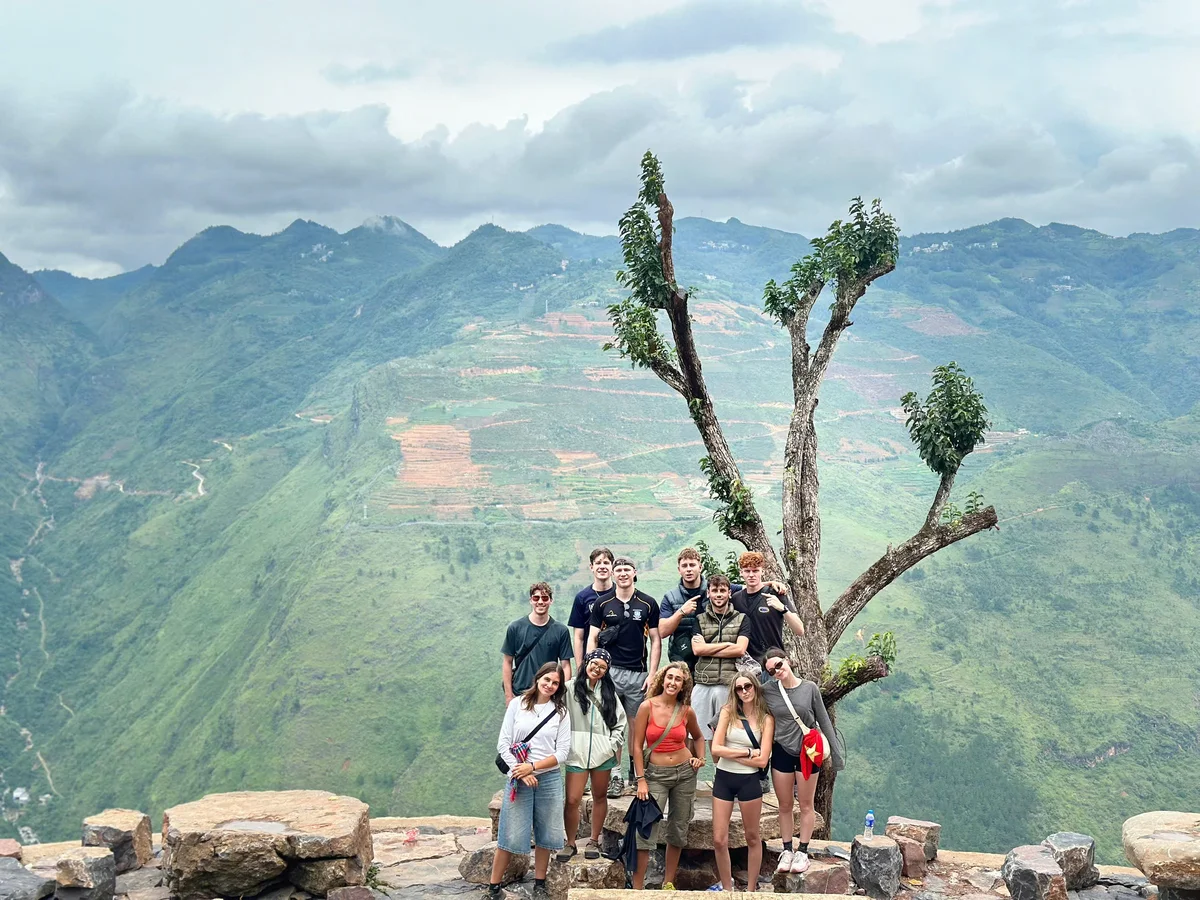
Culture shock hits differently when you’ve got people around you going through it too.
At Bong Hostel, you get:
Travel advice that actually makes sense (because its from locals)
Other travelers navigating the same chaos
Help understanding transport, food, and daily life
A social base where confusion turns into conversation
Because in Vietnam, the goal isn’t to avoid the culture shocks, it's to enjoy every moment of them.
About Faye Hilling
Travel writer and Vietnam explorer sharing authentic experiences and insider tips for discovering the beauty of Vietnam.