
53 Vietnam Tourist Scams in 2026: The Smart Backpacker’s Guide to Avoiding the Classic Traps

Vietnam is one of those countries that completely disarms you in the best possible way.
One minute you’re eating the best banh mi of your life on a tiny plastic stool in Hanoi. Next, you’re cruising through the mountains of Ha Giang wondering why you ever wasted money on overpriced European city breaks.
But somewhere between the sleeper buses, egg coffees, cheap beers, and chaotic street crossings… you’ll probably also encounter at least one attempted tourist scam.
Not because Vietnam is dangerous. It isn’t. In fact, Vietnam is still one of the safest and most rewarding countries to backpack in Southeast Asia.
Millions of travelers visit every year without problems. Most locals are incredibly friendly, welcoming, hardworking, and genuinely helpful.
But tourist-heavy destinations naturally attract opportunists. Especially in places like:
Hanoi
Ha Long Bay
Ninh Binh
Sapa
Fortunately, the most common Vietnam tourist scams are incredibly easy to avoid once you know how they work.
This guide will show you exactly what to look out for in 2026, how to avoid getting ripped off, and how to travel smarter without becoming paranoid about every interaction.
Because Vietnam is far too good a country to spend your trip stressed out.
And if you want a smoother, safer backpacking experience from day one, Bong Hostel helps travelers avoid a lot of these headaches entirely—from trusted Ha Giang Loop tours to verified sleeper buses, hostel pickups, and honest local advice from staff who actually live here.
Is Vietnam Safe for Tourists in 2026?
Absolutely. Violent crime against tourists is extremely rare in Vietnam.
The overwhelming majority of issues travelers experience are minor scams, overcharging, or misunderstandings around pricing.
Such as the following:
Paying too much for a taxi
Getting overcharged at a market
Booking a dodgy tour
Drivers altering agreed prices halfway through
But although this is incredibly annoying, it's not usually dangerous behaviour.
The key thing to remember is this: Most scams in Vietnam rely on confusion, exhaustion, or tourists not understanding local currency.
That means awareness alone already puts you ahead of the game.

Your Bong Hostel Easy Rider will always keep you safe in Vietnam
Taxi Scams: Vietnam’s Most Famous Tourist Trap
How the Scam Works
Ah yes. The classic.
You land in Hanoi after a 14-hour flight, your brain is fried, your backpack suddenly weighs 40kg, and a smiling taxi driver magically appears beside you.
That’s where the fun begins.
Common taxi scams include:
Fake taxi companies copying legitimate brands
Manipulated meters running ridiculously fast
Drivers taking intentionally long routes
Inflated airport fares
The infamous “your hotel is closed” trick
Some fake taxis even look nearly identical to legitimate companies.
How to Avoid Taxi Scams in Vietnam
The solution is beautifully simple in 2026: Use Grab.
Grab works like Uber and removes almost all transport-related headaches instantly.
You’ll see:
The route
The fixed price
The driver details
Payment options (i.e. card or cash, great if you don't have any local currency yet)
You can also share your trip details with friends and family
No awkward haggling, mystery detours, or surprise “extra fees.”
👉 Be aware that some people may approach you holding the Grab app on their phone, but that doesn’t necessarily mean they’re legitimate drivers. Simply ask them to accept your booking through the app directly—if they can’t, smile politely and move on.
If you do use traditional taxis, stick to reputable companies like:
Mai Linh Taxi
Vinasun Taxi
And if a driver suddenly claims your hotel is “closed”? Don’t believe them. Call the hotel directly before agreeing to go elsewhere.
👉 A lot of first-time backpackers actually book their airport pickup and first night through Bong Hostel Hanoi purely to avoid the “just landed and already getting hustled” phase of visiting Vietnam.
Motorbike Taxi Price-Switch Scams on Tourists
Vietnam’s motorbike taxis are fast, cheap, and honestly kind of fun.
Until:
The driver adds an extra zero to the agreed price after the ride or,
The driver claims he doesn't have change for your big note
Suddenly your cheap journey is twice the price and you’re quietly raging with the injustice of it all.
How to Avoid It
Again: Use GrabBike.
Grab completely removes price negotiations because the fare is fixed inside the app before you even get on the bike. Simple.
Motorbike Rental Scams
If you plan to self-ride the Ha Giang Loop or are exploring Vietnam independently, you’ll probably rent a bike at some point.
And this is where things can get spicy.
Common rental scams include:
Fake damage claims
Passport hostage situations
Rental companies “stealing back” their own bikes
Wildly inflated repair fees
Some travelers return their bike only to be told they caused scratches that were already there before.
Others wake up to discover the bike mysteriously vanished overnight… only for the rental company to demand compensation.
How to Avoid Motorbike Rental Scams
Before riding off:
Photograph EVERYTHING
Film the bike slowly
Check brakes, lights, mirrors, tyres
Never hand over your passport
Most importantly: Rent through reputable hostels or companies with strong reviews. Because a good company protects you from these situations before they happen.
👉 This is one of the reasons so many travelers choose the Bong Hostel Ha Giang Loop Tours. You get vetted bikes, experienced local guides, mechanics, accommodation planning, and support if anything goes wrong—without the stress of negotiating with sketchy rental shops.
Tourist Scams when Buying a Motorbike in Vietnam
Buying a motorbike sounds romantic until you realise half the Facebook Marketplace bikes have been held together with duct tape and optimism.
Common scams include:
Faulty engines
Fake ownership papers
Swapped bikes
Hidden mechanical problems
Sometimes sellers show you one bike during inspection… then swap it for a worse version right before the handover.
How to Avoid It
Buy through reputable businesses
Ask other backpackers for recommendations
Inspect paperwork carefully
Never rush the purchase
Conduct a thorough test drive
And if you don’t actually need to own a bike? Honestly, guided tours are way less stressful.
Truthfully, unless you’re doing a full long-term Vietnam ride, buying a bike often creates more stress than freedom for short-term backpackers.
A lot of travelers now prefer doing the Loop through organised companies like Bong Hostel, then continuing south by sleeper bus or train afterward.
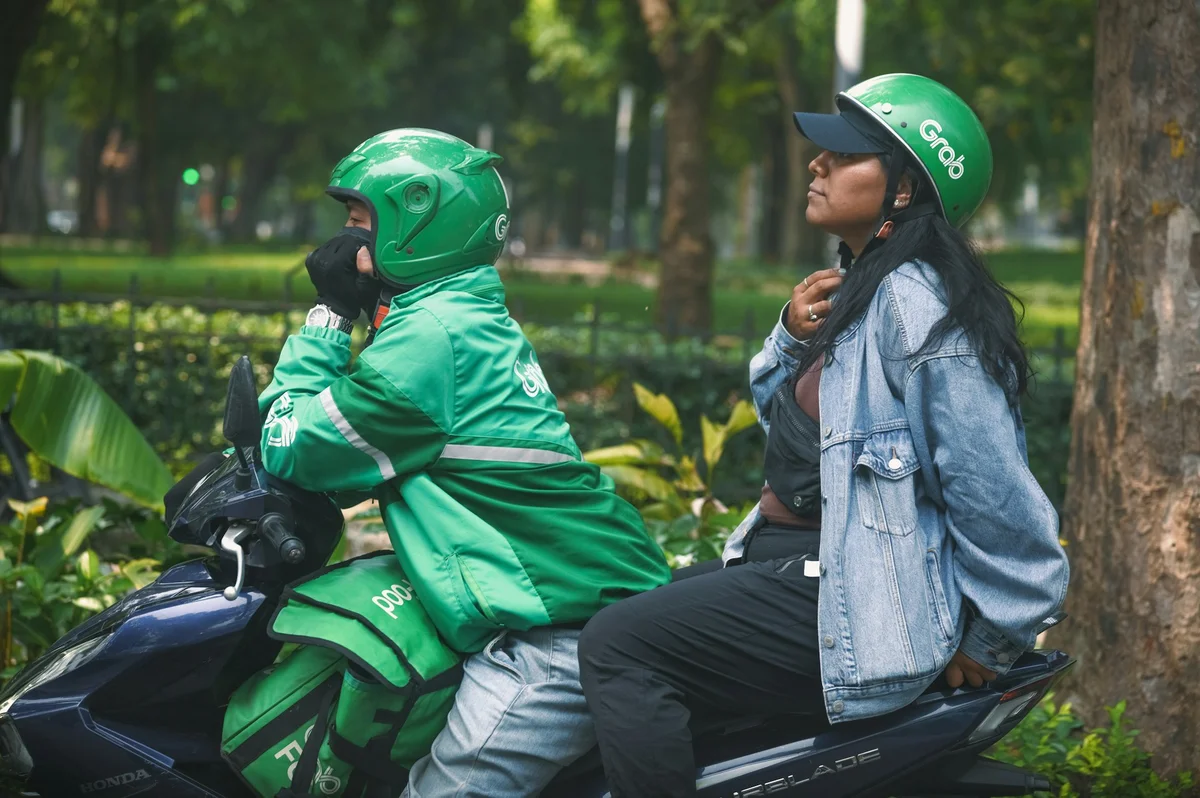
Avoid taxi scams and book a Grab Bike instead
Fake Tours & Ticket Scams on Tourists in Vietnam
Vietnam is packed with incredible experiences:
Ha Long Bay cruises
Sapa trekking tours
Motorbike loops
Walking tours
Boat trips
Food tours
Unfortunately, fake agencies know this too.
Red flags include:
Suspiciously cheap prices
Vague itineraries
Fake reviews
“Luxury” tours that absolutely are not luxury
That may result in you showing up on the day to a tour or bus that doesn’t actually exist.
While others put you on terrible buses/excursions despite charging premium prices.
How to Avoid It
Book through:
Reputable hostels
Trusted tour operators
Official company websites
Verified platforms
And compare prices before paying. If one “luxury cruise” is 70% cheaper than every other company… there’s usually a reason.
👉 One of the easiest ways to avoid fake ticket offices, bad sleeper buses, and low-quality tours is booking directly through trusted hostels that backpackers already recommend to each other.
Fake Hotel Websites & Facebook Pages
This scam has exploded recently.
Scammers clone real hotel pages, steal photos, run fake Facebook ads, then ask for deposits through Messenger or bank transfers.
The booking simply never exists. But they’ve taken your deposit and disappeared.
How to Avoid It
Always book through:
Official hotel websites
Trusted platforms like Booking.com or Agoda
Verified hostel pages
And never send random bank transfers through social media chats.
If something feels sketchy, it probably is.
👉 Booking directly through verified hostel websites matters more than ever in 2026. If you’re staying in Hanoi, always use the official Bong Hostel website rather than random Facebook pages or WhatsApp “agents.”
Money Switching Tourist Scams in 2026
Vietnamese dong can be confusing at first because the numbers are massive. They also have similar color schemes. For example:
20,000 VND and 500,000 VND are both blue
10,000 VND and 100,000 VND both have green tones
They’re slightly different shades but close enough if you’re not familiar with them.
And scammers know that.
The classic trick:
You hand over a 500,000 VND note, the driver secretly swaps it for a 20,000 VND note, then accuses YOU of underpaying.
How to Avoid It
Use smaller notes
Count money carefully
Say denominations out loud
Avoid flashing large bills
But once you’ve been in Vietnam for a few days, your brain adjusts surprisingly fast.
ATM Skimming & Card Scams
Vietnam is still heavily cash-based in many places, meaning ATMs have become part of daily life.
Unfortunately, skimming devices occasionally appear on unsecured machines.
Stay safer by:
Using ATMs inside banks
Avoiding isolated street ATMs
Checking card readers carefully
Covering your PIN
Waiting for your money AND your card after using the machine
Also keep an eye on hidden bank fees and dodgy exchange rates. Some ATMs also charge absolutely brutal withdrawal fees.
👉 ATMs such as TP Bank or LP Bank often have better or zero fees for foreign cards.
Pickpocketing in Vietnam in 2026
This is one of the few scams that can genuinely ruin your day quickly.
Usually it involves:
Motorbike snatch thefts
Bags pulled from shoulders
Phones or wallets taken from backpockets
Pinching valuables while you sleep or visit the bathroom while taking a bus
The biggest mistake travelers make? Walking beside traffic while holding phones casually.
How to Avoid It
Wear crossbody bags
Keep zippers closed
Hold phones away from roads
Use wrist straps for cameras and phones
Stay alert in crowded areas
Take your valuables with you when getting off the bus at rest stops
Read more about pickpocketing and other scams here.
Popular Street Scams in Hanoi
27. The Shoe-Shining Scam
If someone becomes aggressively passionate about cleaning your shoes out of nowhere… congratulations, you’ve found the scam.
In some tourist areas, especially in Hanoi’s Old Quarter, shoe shiners literally begin working before you’ve agreed.
Then comes the inflated bill.
How to avoid it
If you’re walking:
Keep walking
Don’t stop
Don’t engage
Don’t remove your shoes
If you’re sitting at a restaurant or bar:
Cross your feet underneath you
Speak to a member of staff if they keep hassling you
A firm “no thank you” is enough in either case.
28. Fruit Basket & Photo Scams
You’ve probably seen the iconic Vietnam fruit basket photos online.
But some sellers offer tourists baskets for photos, then suddenly demand payment afterward.
Others start cutting fruit or coconuts without permission, then insist you buy them.
How to Avoid It
If you want photos:
Ask prices beforehand
Confirm clearly
Avoid assuming anything is free
Or just admire from afar and save yourself the awkwardness.
29. Cyclo Scams
Cyclos look charming in theory, and they’re certainly a traditional and unique experience.
Until your “quick sightseeing ride” turns into:
Fake waiting fees
Route detours
Surprise charges
Some drivers intentionally confuse pricing agreements or claim extra hourly costs afterward.
How to Avoid It
Agree prices clearly upfront
Use maps during the ride
Avoid vague “tour” offers
Book reputable experiences online instead

Restaurant & Menu Scams in Vietnam
Most food in Vietnam is of incredible value.
But occasionally tourist-focused restaurants pull tricks like:
Menus without prices
“Free” snacks added to bills
Inflated tourist pricing
Hidden service charges
How to Avoid It
If prices aren’t listed you should walk away.
Also those peanuts beside your beer… Not always complimentary.
SIM Card Tourist Scams in Vietnam
Getting connected quickly is essential in Vietnam.
But unofficial SIM sellers sometimes:
Sell expired plans
Activate SIMs early
Overcharge tourists
Provide terrible data packages
Best option in 2026?
eSIMs.
They’re easier, safer, and eliminate most of the hassle entirely.
If buying physical SIMs, stick to official providers like:
Viettel
Vinaphone
Mobifone
👉 Bong recommends buying a physical SIM from the airport post office or visiting a Viettel or Thế Giới Di Động store, both of which are common across Vietnam and usually offer fair prices and reliable top-up plans for longer trips or 3-month visas.
Dating Apps & Bar Scams in Vietnam
This one happens worldwide now.
You meet someone through:
Tinder
Instagram
At a bar
Random street encounters
They suggest a specific venue.
Suddenly:
Drinks are absurdly overpriced
Mystery items appear on the bill
Suddenly all your “date’s” friends have shown up and it’s turned into a photo shoot in a fancy venue
Your “date” demands you pay or simply disappears after payment
How to Avoid It
Suggest your own venue
Check reviews first
Avoid pressure situations
Trust your instincts
If something feels weird early on, leave early.
Massage & Hidden Fee Scams
Vietnam has some fantastic spas and nail salons.
But tourist-heavy areas sometimes lure people in with suspiciously cheap prices before adding:
Oil fees
Blow dry fees
Towel fees
Mandatory tips
Mysterious “special services”
How to Avoid It
Confirm TOTAL prices upfront
Read reviews
Avoid pushy establishments
Walk away from unclear pricing
There are plenty of legitimate spas, check out our blog post on the best places to pamper yourself in Hanoi for your next spa day.

Watch out for hidden fees when getting a spa treatment in Vietnam
Other Tourist Scams to Look Out For
Watch out for:
Fake leather goods
Counterfeit branded items
Fake visa websites
Luggage “fees” on buses
Overpriced train tickets
Bad exchange rates
Inflated market pricing
And remember: Just because someone quotes you a tourist price doesn’t automatically make them a criminal mastermind.
They see opportunity in you and if you don’t see a price tag feel free to have a go at bartering—a little patience and humour goes a long way.
What To Do If You Get Scammed in Vietnam
Firstly don’t panic. Most scams involve relatively small amounts of money and a slightly bruised ego.
Here’s what to do if you do get scammed during your trip:
Stay calm
Avoid aggressive confrontations
Collect evidence if possible
Photograph receipts or licence plates
Contact the booking platform if relevant
Leave honest reviews afterward
For serious issues, tourist police in major cities can help. But most travelers simply learn the lesson, laugh about it later, and continue enjoying Vietnam.
Final Thought: Vietnam Is Still Absolutely Worth Visiting
Even with the scams. Actually, especially with the scams. Because once you learn the rhythm of Vietnam, the country becomes unbelievably rewarding.
Most travelers even say they wish they stayed longer because Vietnam rewards curiosity, flexibility, and open-mindedness.
But ultimately having a good hostel base makes a massive difference.
Bong Hostel helps backpackers travel Northern Vietnam with far less stress and a lot more confidence.
From trusted Loop tours and vetted drivers to verified buses, local recommendations, hostel pickups, and staff who genuinely understand backpacker travel, having the right people around you can save you a surprising amount of hassle.
The best Vietnam trips usually happen when you spend less time worrying about scams… and more time eating banh mi, making friends, taking buses, extending your visa, and accidentally staying three weeks longer than planned.
👉 Planning your Vietnam adventure? Check out Bong Hostel’s Ha Giang Loop tours, Cat Ba trips, sleeper buses, and backpacker travel services to explore Northern Vietnam the smarter way.
About Faye Hilling
Travel writer and Vietnam explorer sharing authentic experiences and insider tips for discovering the beauty of Vietnam.