
Vietnam's Temporary Residence Rules 2026: Everything Foreign Travellers Need To Know

North Vietnam is the kind of place that makes you want to throw your backpack over your shoulder, hop on a motorbike, and see where the road takes you.
But before you get too carried away planning your next bowl of pho or your next overnight bus adventure, there’s one thing every foreign traveller should understand:
Vietnam’s temporary residence rules.
Now, we know what you’re thinking.. “I’m just travelling. Do I really need to think about residence rules?”
Well for most travellers staying in hotels, hostels, and registered accommodation, this process is usually handled behind the scenes.
You hand over your passport at check-in, your accommodation enters your information into the system, and you continue your adventures without needing to become a part-time immigration expert.
However, things become slightly less straightforward if you’re:
Staying at a friend’s house
Renting an apartment
Living in Vietnam long-term
Travelling outside traditional tourist accommodation
Spending weeks or months exploring different regions
With updated regulations recently having come into effect in 2026, understanding how temporary residence declarations work can help you avoid unnecessary stress, awkward conversations with landlords, or immigration headaches later.
What Is Temporary Residence in Vietnam?
Before diving into the rules, it’s important to understand that Vietnam has different categories of residence.
They sound very similar (because apparently immigration paperwork enjoys making things complicated), but they mean different things.
For foreigners, the three main concepts you might hear about are:
1. Temporary Residence Declaration
This is the one most travellers need to know about.
A temporary residence declaration is basically Vietnam’s way of recording where foreigners are staying while they are in Vietnam.
This applies whether you are staying at:
A hotel
Hostel
Homestay
Guesthouse
Serviced apartment
Rental property
A Vietnamese friend’s home
The important thing is that foreign visitors staying overnight in Vietnam need to have their accommodation declared.
2. Temporary Residence Registration
This is a slightly different system and is more relevant for people living in Vietnam rather than simply travelling through.
For example:
Vietnamese citizens moving to another city
Foreign residents staying long-term
Expats renting accommodation
People working in Vietnam
For foreigners, your legal stay is primarily connected to your visa or Temporary Residence Card (TRC).
However, your accommodation address still needs to be properly declared.
A visa does not magically tell Vietnamese authorities where you are sleeping every night.
(Although that would definitely make things easier.)
3. Permanent Residence
Permanent residence is the most long-term category.
For most travellers reading this article, this is not something you need to worry about.
It applies mainly to specific cases such as certain foreign nationals with strong connections to Vietnam, significant contributions, or eligible family circumstances.
For backpackers, digital nomads, and short-term visitors, temporary residence declarations are the important part.
Planning your trip? Read our complete guide to Vietnam Visa Requirements before you travel.
Which Temporary Residence Rules Apply to You?
If you're still unsure which rules apply to your trip, here's a quick summary:
Where are you staying? | Who normally handles the declaration? |
Hotel | Hotel reception |
Hostel | Hostel reception |
Licensed homestay | Homestay owner or manager |
Friend's or relative's home | Your host |
Rental apartment | Your landlord or accommodation provider |
Applying for a Temporary Residence Card (TRC) | Vietnam's Immigration authorities |
Do Foreigners Need To Register Their Temporary Residence in Vietnam?
At Bong Hostel, we welcome thousands of international travellers every month, and one of the most common questions we hear is whether guests need to register their own temporary residence.
But the answer to that is no.
What actually happens is the accommodation staff collect your passport details and submit the required information on your behalf.
Your job is simply to:
Stay somewhere legitimate
Provide accurate passport and visa information
Check that your accommodation has completed the declaration if you are unsure
The responsibility generally falls on the accommodation provider, landlord, or host.
So no, you do not need to spend your first morning in Vietnam hunting down the nearest police office with Google Translate open.
How Does Temporary Residence Declaration Work?
The process depends on where you are staying.
Staying in a Hotel, Hostel, or Registered Homestay
This is the easiest situation.
When you check in, your accommodation will usually ask for:
Passport
Visa or entry information
Personal details
They then submit your temporary residence declaration through the official system.
For travellers staying at registered accommodation, this should happen automatically.
This is one reason why choosing registered accommodation is always a good idea—your stay is recorded correctly while you focus on enjoying your trip.
Staying at a Friend’s House or Relative’s Home
This is where many travellers get caught out.
Maybe you:
Meet someone in Hanoi and they invite you to stay for a few nights
Have Vietnamese friends who offer you a spare room
Are travelling slowly and staying with locals instead of booking accommodation
In these situations, your stay may still need to be declared.
Under updated 2026 rules, overnight stays outside your registered accommodation system must be reported.
The responsibility usually belongs to the host. However, if nobody from the household is available, the guest may need to complete the notification themselves.
The notification requires basic information, including:
Full name
Date of birth
Passport number
Reason for staying
Address
Expected length of stay
This does not mean your Vietnamese friend needs to drag you to a police station after you arrive.
Notifications can be completed through digital channels, including online systems, email, telephone, or approved applications.

Vietnam's Temporary Residence Rules: What's Changed in 2026?
From July 1st, 2026, Vietnam introduced updates to their notification procedures.
The biggest updates to Vietnam's Temporary Residence Rules focus on:
Making responsibilities clearer
Improving digital reporting systems
Expanding who is responsible for notifications
Creating more convenient ways to submit information
The goal is not to make travelling around Vietnam harder.
Instead, the system aims to keep residence information accurate, improve public services, and make it easier for authorities to support situations such as emergencies or safety issues.
Find out whether Vietnam’s New Health Declaration affects your trip.
How Long Does the Temporary Residence Declaration Take?
For foreign visitors, accommodation providers are expected to submit temporary residence information promptly after arrival.
Generally:
In cities and urban areas: within 12 hours
In remote or mountainous areas: within 24 hours
This is particularly relevant for travellers exploring northern Vietnam.
If you’re heading into places like Ha Giang, Cao Bang, or other remote regions, remember that accommodation systems may work slightly differently compared with big cities.
This is another reason why booking through an established local operator, such as Bong Hostel can make your trip much smoother.
What Documents Do You Need for Temporary Residence in Vietnam?
One of the easiest ways to avoid problems with Vietnam’s temporary residence requirements is simply making sure your travel information is accurate and accessible.
You do not need to walk around Vietnam carrying a certificate proving where you stayed the night before.
For most travellers, your accommodation provider will keep the temporary residence declaration information on record.
However, you should always have access to your important travel documents, including:
Valid passport
Valid visa or visa exemption information
Digital copies of important documents
When checking into accommodation in Vietnam, foreigners should also be prepared to provide basic information for the temporary residence declaration.
This usually includes:
Full name
Date of birth
Nationality
Passport details
Visa information
Arrival details
Make sure all information is accurate.
A small spelling mistake in your passport details might not seem like a big deal when you’re checking into a hostel after a 12-hour bus journey, but incorrect information can create unnecessary problems later.
This is especially important if you are:
Applying for visa extensions
Changing accommodation
Applying for residence documents
Leaving and re-entering Vietnam
If you are moving between different hotels, hostels, homestays, or rental properties, remember that your new accommodation will need your updated information to complete a new declaration.
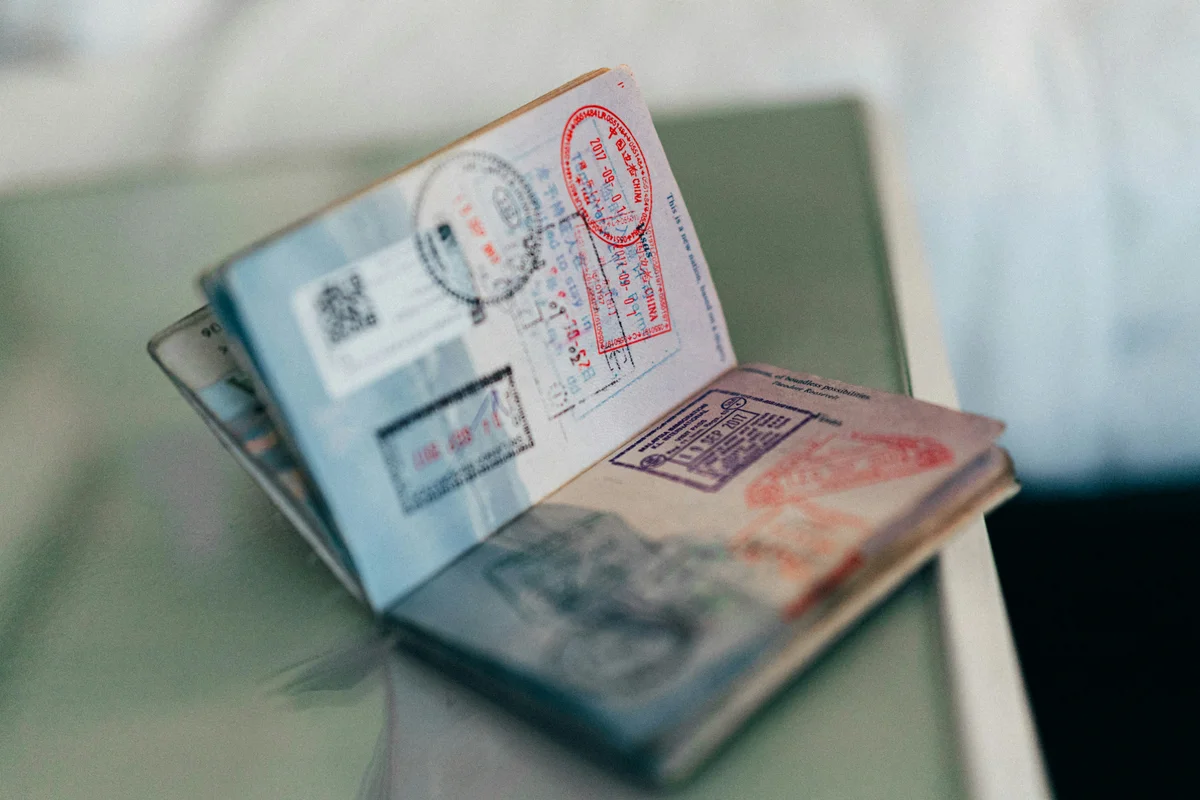
Do I Need To Register Again Every Time I Travel Around Vietnam?
Short answer: yes, whenever you move to a new accommodation.
Your temporary residence declaration applies to where you are currently staying.
This means your Hanoi hostel declaration does not automatically cover your homestay in Ha Giang or your hotel in Da Nang.
Whenever you check into a new hotel, hostel, homestay, or rental property, the accommodation provider should submit a new declaration using your updated information.
For travellers, this is another reason to choose registered accommodation throughout your trip.
For more planning tips, click here: How to Prepare for Your Trip to Vietnam: 30+ Essential Tips.
Do Digital Nomads and Long-Term Travellers Need To Do Anything Differently?
Vietnam has become one of Asia’s favourite destinations for long-term travellers, remote workers, and digital nomads.
And it’s not hard to understand why.
Where else can you finish a morning of emails with a coconut coffee, spend your lunch break eating a bowl of pho for less than the price of a supermarket sandwich, and then finish your working day watching the sunset over limestone mountains?
Vietnam makes “working abroad” look dangerously tempting.
However, if you're spending several weeks or months in Vietnam rather than travelling between hotels, temporary residence rules become more important.
Long-term stays often involve apartments, private rentals and staying with friends, where accommodation declarations aren't always as automatic as they are in hotels.
Discover more about Vietnam's Golden Visa 2025: Eligibility, Application & Benefits for Digital Nomads & Expats.
Renting an Apartment in Vietnam? Here’s What You Need To Know
Renting an apartment can be one of the best ways to experience Vietnam.
You get your own kitchen, your own space, and the joy of finally having somewhere to put your giant backpack that has somehow collected souvenirs, snacks, and random travel items from five different countries.
However, before signing a rental agreement, make sure your landlord understands their responsibilities.
For foreign residents, the accommodation provider or landlord is generally responsible for declaring your temporary residence.
This means your landlord should be able to:
Provide a legally registered rental property
Complete the required accommodation declaration
Submit your information correctly
Update your details if anything changes
Before moving in, it is worth asking if they can register your temporary residence. If the answer is a confused silence followed by a subject change, that may be a warning sign.
Can Foreigners Stay Anywhere in Vietnam?
Vietnam is generally very welcoming to international visitors, but there are some restrictions.
Foreigners should avoid staying in:
Restricted border areas
Areas where foreign access is limited
Locations where accommodation is not legally permitted
This is particularly important if you are travelling near Vietnam’s borders.
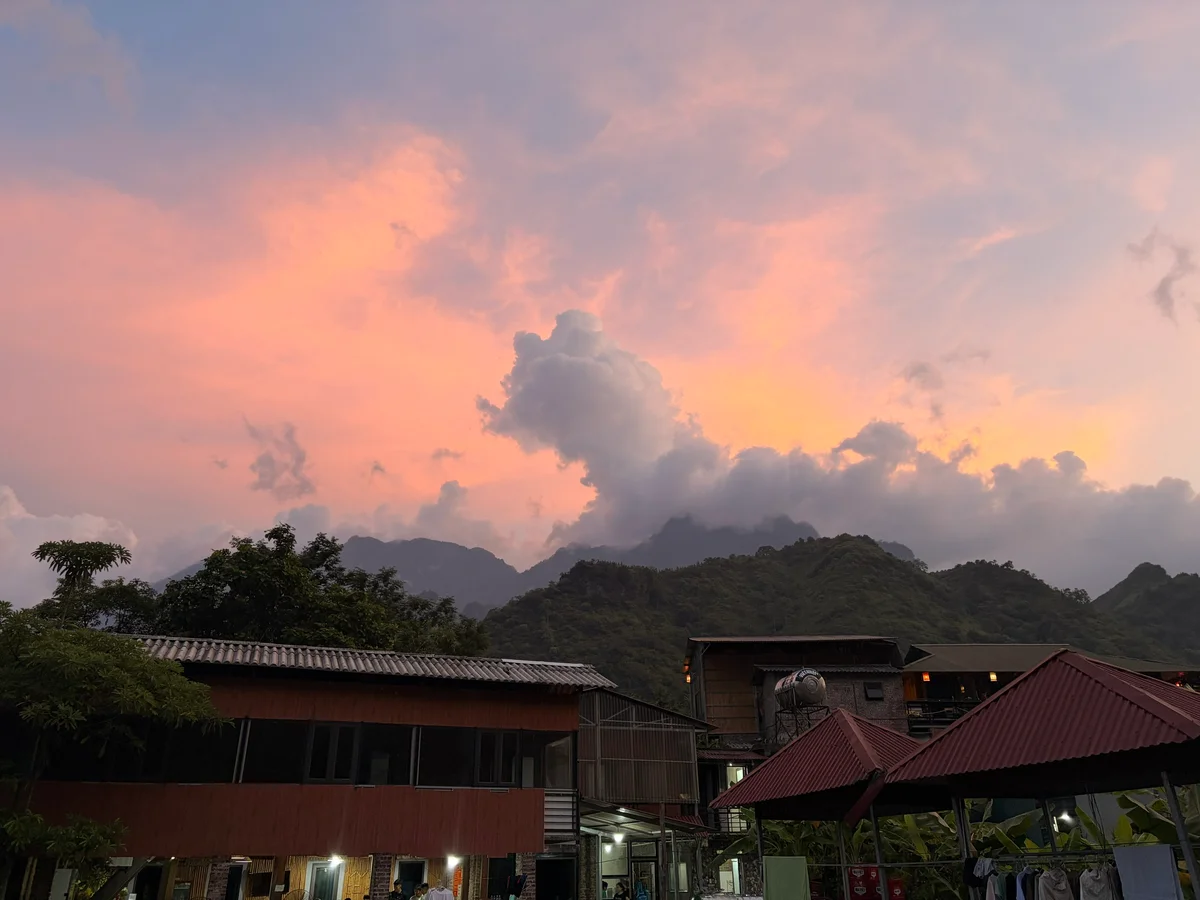
Northern Vietnam is famous for its incredible landscapes, including areas close to China.
Places like Ha Giang offer some of the most unforgettable scenery in Southeast Asia, but some border-related areas have additional regulations.
This is another reason travelling with experienced local operators can be helpful.
Local teams understand:
Which roads are accessible
Which areas require extra attention
Where travellers can legally stay
How local regulations work
Because sometimes the best adventures happen when someone else already knows the complicated bits.
What Happens If Temporary Residence Is Not Declared?
Nobody wants their Vietnam adventure interrupted by unnecessary admin problems.
The good news is that most travellers following normal procedures will never experience any issues.
Problems usually happen when:
A foreigner stays somewhere unofficial
A landlord refuses to declare accommodation
Information is incorrect
Someone ignores residence requirements completely
Possible consequences can include:
Administrative penalties
Problems with immigration procedures
Difficulties applying for extensions or residence documents
For accommodation providers, failing to complete required declarations can also lead to penalties.
Do Hostels Register Temporary Residence For Guests?
Yes. Registered hostels normally submit temporary residence declarations for foreign guests as part of the check-in process.
This is one of the biggest advantages of staying somewhere established, allowing you to focus on enjoying your trip rather than worrying about paperwork.
Vietnam Temporary Residence Rules: Traveller Checklist
Before travelling around Vietnam, keep this simple checklist in mind:
1. Stay at Registered Accommodation
Choose:
Hotels
Licensed hostels
Registered homestays
Legitimate rental properties
Avoid accommodation where the owner refuses to discuss temporary residence declaration.
2. Always Provide Accurate Passport Information
Double-check:
Name spelling
Passport number
Visa details
Entry information
Mistakes can cause unnecessary complications.
3. Confirm Your Stay Has Been Declared
Especially if you are:
Staying with friends
Renting privately
Travelling long-term
Do not assume it has been completed.
4. Update Your Accommodation Details When You Move
New hotel? New declaration.
New apartment? New declaration.
New homestay? New declaration.
Vietnam wants your current location, not last month’s adventure.
5. Keep Your Documents Accessible
Always have access to:
Passport
Visa details
Digital copies of important documents
Hopefully you never need them, but future-you will be grateful you prepared.
FAQs About Vietnam’s Temporary Residence Rules
Do tourists need temporary residence registration in Vietnam?
Yes, even short-term visitors need their accommodation declared.
However, tourists staying in hotels, hostels, and registered accommodation normally do not need to complete anything themselves.
Do I need to visit the police station after arriving in Vietnam?
Usually, no. Most foreign travellers do not need to personally visit the police. Your accommodation provider normally submits the required information electronically.
What happens if I stay at a Vietnamese friend’s house?
If you stay overnight at a friend or relative’s home, the stay may need to be declared.
The host is usually responsible for submitting the notification. But, if nobody from the household is available, the guest may need to complete the notification themselves.
How quickly must temporary residence information be submitted?
For foreign visitors, accommodation declarations should generally be completed promptly after arrival.
The expected timeframe is usually:
Within 12 hours in urban areas
Within 24 hours in remote or mountainous areas
Can I stay in an Airbnb in Vietnam?
Under Vietnam's new temporary residence rules, yes, you can stay in Airbnbs, but make sure the property is legally registered and able to complete the declarations.
Before booking, it is worth confirming with the host that they can register foreign guests.
Does temporary residence affect my visa?
Your temporary residence declaration and your visa are separate things.
Your visa allows you to legally enter and stay in Vietnam
Your temporary residence declaration records where you are staying
Both are important.

Final Thoughts: Don’t Let Paperwork Take Away From Your Vietnam Adventure
Vietnam’s temporary residence rules might sound intimidating at first.
There are laws, declarations, databases, digital platforms, and enough official terminology to make your eyes glaze over faster than a 6 a.m. airport transfer.
But for most travellers, the reality is simple: stay in licensed accommodation, provide your correct information, and make sure the declaration is submitted.
Then get back to enjoying Vietnam.
Because Vietnam is not a country you visit just to tick boxes.
It is a country you visit to:
Wake up surrounded by mountains
Eat incredible food
Meet kind, friendly people
Discover hidden corners
Collect stories you will still be telling years later
And if your next story involves riding through the spectacular landscapes of northern Vietnam, Bong Hostel is here to help.
From comfortable stays in Hanoi to thrilling Ha Giang Loop adventures, our local team can help you experience Vietnam with less stress and more adventure.
Ready to start your Vietnam journey?
About Faye Hilling
Travel writer and Vietnam explorer sharing authentic experiences and insider tips for discovering the beauty of Vietnam.