
What Do Ha Giang Loop Easy Riders Spend Their Tip Money On? A Behind-the-Scenes Look After the Ride
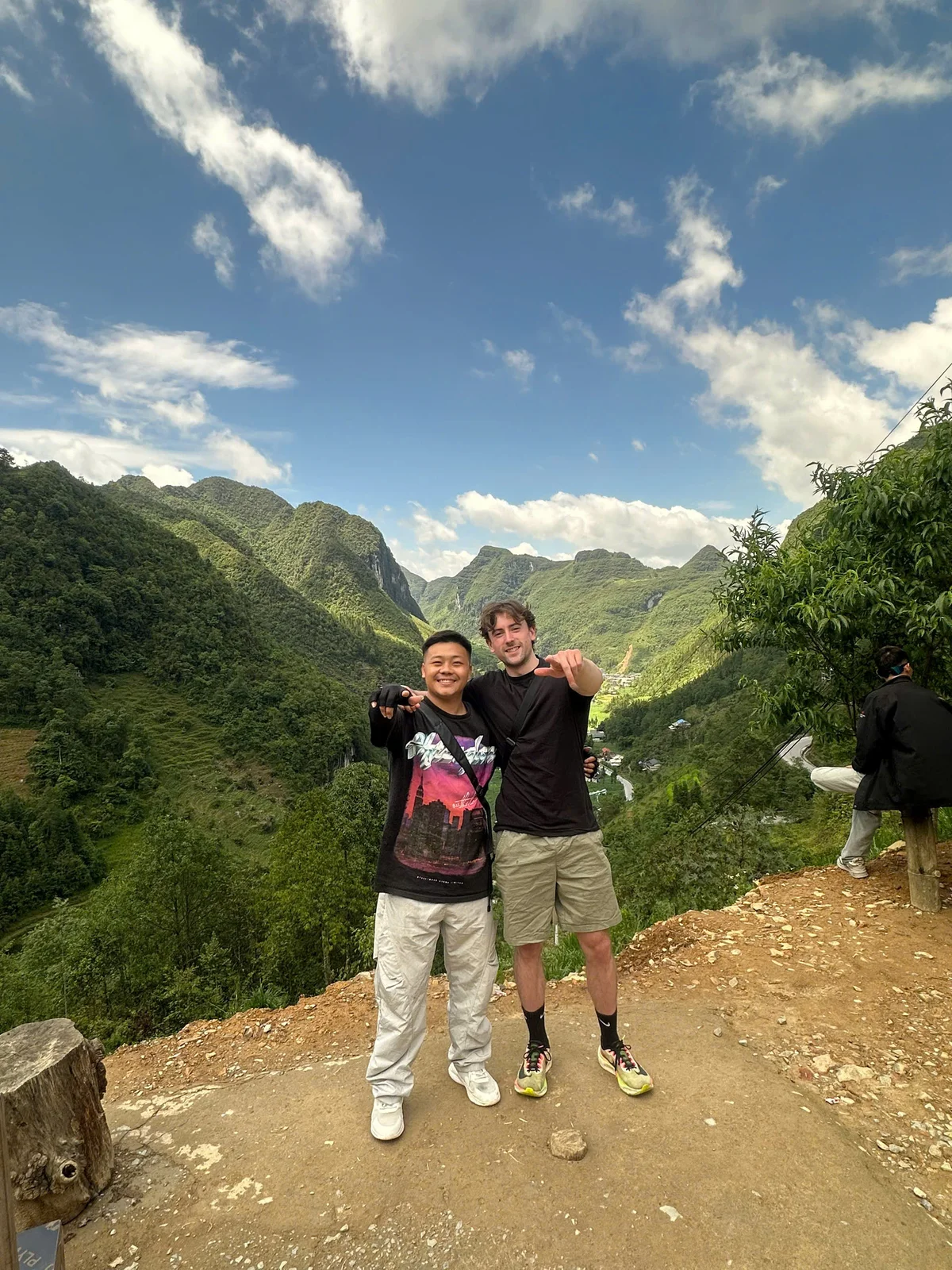
You’re back.
The dust has settled, your legs are still mildly convinced they belong on a motorbike, and your camera roll is 90% limestone mountains and 10% blurry “one more Happy Water was a bad idea” photos.
The Ha Giang Loop is done.
Your Easy Rider has parked the bike, handed back your backpack, probably taken one last selfie with you, and you’ve discreetly slipped some Vietnamese Dong into his hands before heading in to shower and get ready for your bus.
Then later a thought quietly sneaks in: What do Ha Giang Loop easy riders actually spend their tip money on?
Let’s explore that properly.
What Is a Ha Giang Loop Easy Rider?
Before we get into where the money goes, it helps to remember who we’re talking about.
A Ha Giang Loop Easy Rider isn’t just someone riding a motorbike.
They are:
Your navigator through roads that look like they were designed by a particularly chaotic artist
Your translator when sweet locals approach you
Your photographer, usually while balancing on a cliff edge
Your “don’t worry, I’ve got this” voice when things feel less than stable
Across the loop in Ha Giang Province, they’re the ones quietly making hundreds of decisions you never see.
Leave earlier to avoid fog or wait it out?
Which route avoids landslides in the rainy season?
Where’s the best coffee that isn’t a tourist trap?
Which viewpoint will avoid midday chaos?
This is why travelers don’t just feel like they’re on a tour—they feel looked after.
And that’s exactly why tipping comes into the conversation at the end.
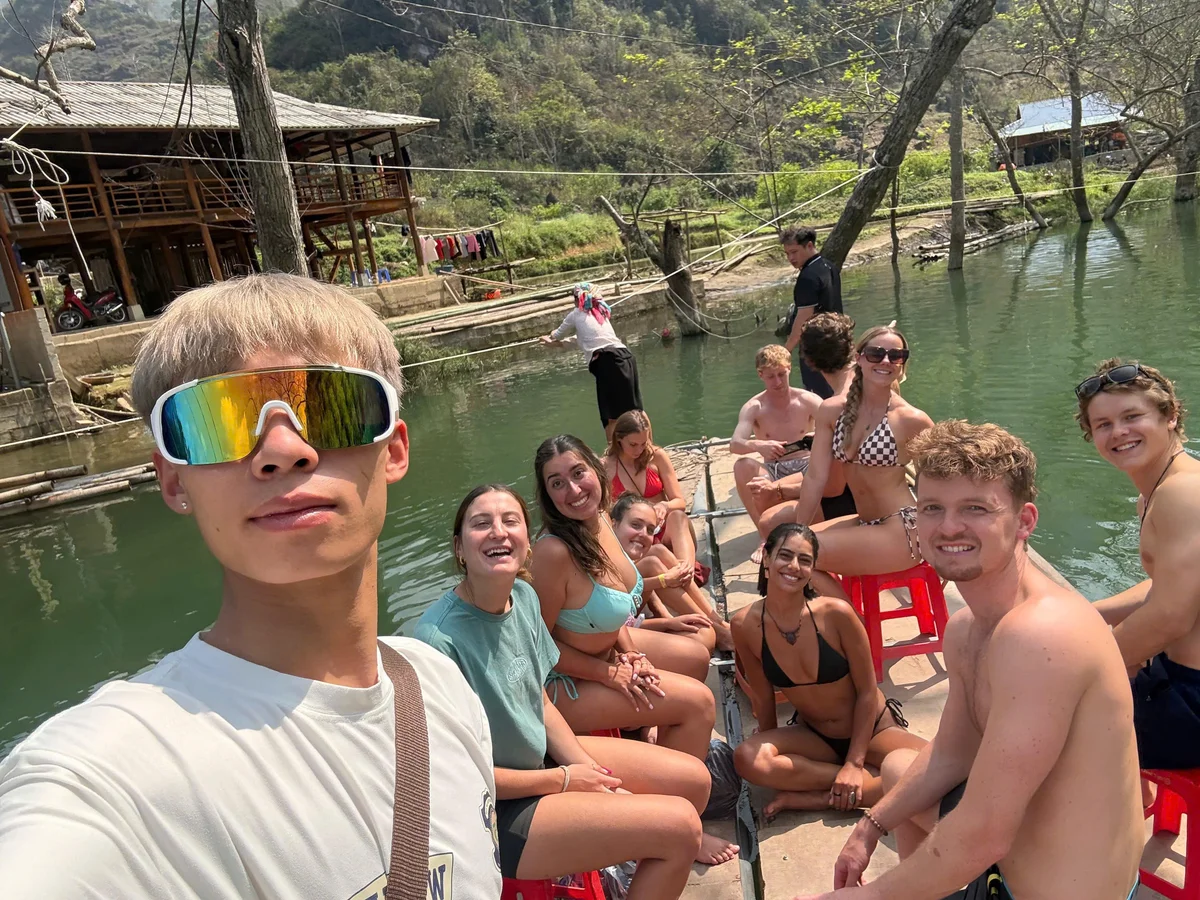
Why Do Travelers Tip Their Easy Riders?
Here’s something that often surprises people before they arrive in Vietnam: tipping culture here is not like the West.
You don’t tip in most cafés
You don’t tip for taxis as standard
You don’t tip your everyday services
But the Ha Giang Loop is different.
Why? Because your Easy Rider is with you for 3–4 full days.
Not just driving. Living the experience with you.
They:
Securely attach your bags to the bikes each day
Help when you’re tired, cold, or overwhelmed
Stop endlessly for photos without complaint
Share food, stories, rice wine, and local knowledge
Make sure you’re safe on some of Southeast Asia’s most dramatic roads
They are, in many ways, the difference between “a motorbike trip” and “a once-in-a-lifetime experience”.
So tipping isn’t a rule at all and it isn’t expected. But it is a genuine human response to an Easy Rider’s hard-work and dedication to their job.
Read more: Why You Should Tip Your Ha Giang Loop Easy Rider.
Myths About Tipping Ha Giang Loop Easy Riders
Let’s clear up a few misconceptions before they grow legs.
Myth 1: “They expect big tips”
No.
At Bong Hostel and across ethical tours in Ha Giang, tips are never expected—only appreciated.
Myth 2: “Tips are spent on partying”
Not even close.
Most riders have families waiting for them back in their village.
But even if they do not have a wife and children, they still have parents or grandparents they need to support.
Myth 3: “Tips replace wages”
Wrong.
Tips are extra recognition, not salary substitution.
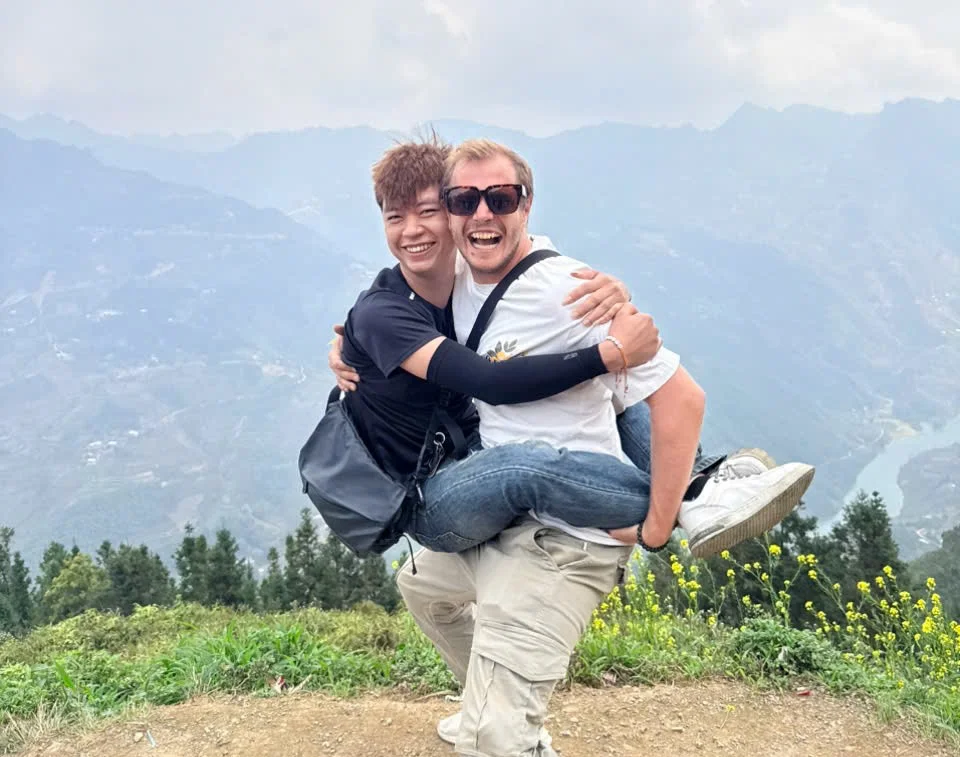
What Do Ha Giang Loop Easy Riders Spend Their Tip Money On?
Let’s break it down properly so you can understand what a Ha Giang Loop Easy Rider actually spends their tips on.
1. Supporting Family Across Villages and Provinces
For many Ha Giang Loop Easy Riders, their tip is shared family income.
It flows directly into supporting households in mountain villages across Ha Giang and beyond.
This typically includes:
Parents and grandparents who rely on support in rural homes
Younger siblings still in school
Children in the family household
Extended family living closely together and sharing resources
So in practice, the money doesn’t sit in one place. It moves where it’s needed most.
Common uses include:
School supplies and uniforms for children
Healthcare and medicine for elderly parents or grandparents
Basic living expenses in rural homes
Travel costs to visit family across provinces
Small contributions to support siblings studying in cities like Hanoi or working away from home
Warm clothing for harsh mountain winters
In some cases, a tip might even fund a bus journey to visit a child studying in another province, or help a family member return home for an important occasion.
There’s no separation between “personal money” and “family money” in many rural households. It’s shared by default.
One day it’s a tip. The next day it’s dinner for five people and school supplies for next term.
2. Keeping the Motorbike Running (No Bike, No Loop)
Without a motorbike, there is no Ha Giang Loop, no job, and no income.
So naturally, tip money often goes straight back into keeping that bike in working condition.
Typical maintenance includes:
Tyre replacements after endless mountain bends
Brake repairs after long downhill stretches
Oil changes and regular servicing
Chains, suspension, and general wear-and-tear fixes
Emergency roadside repairs
This isn’t optional upkeep—it’s what keeps the job possible.
Bike Upgrades and Personalisation
Beyond maintenance, some riders also reinvest in improving or personalising their bikes:
Phone mounts for easier navigation and communication
New paint or “skin” for the bike to freshen up its look
Small aesthetic modifications like stickers, color detailing, or upgraded parts
Comfort upgrades that make long riding days a bit smoother
Because for many Easy Riders, their bike isn’t just transport—it’s their identity on the road and something they genuinely take pride in.
3. Food, Family Meals & Visiting Relatives
A tip often turns into something very simple: a proper meal at home.
It might include:
Family visiting from across provinces and sharing meals when they arrive
A hot pot with parents, friends, or neighbors
A slightly better dinner for the family after your driver spent four days away at work
Fresh food bought from local markets
Small celebrations after a successful tour period
In rural Vietnam, food is rarely just fuel. It’s how families reconnect after time apart.
So yes, a tip can become a table full of food… but also a reason to travel across provinces just to sit at that table.
4. Learning English & Personal Development
A growing portion of tip money is also invested in personal development.
One of the most common uses is learning English.
Because English directly improves communication with travelers, which can lead to better opportunities in tourism work.
So riders may use tip money for:
English classes in Ha Giang City or in their hometown
Private tutoring sessions when available
Mobile learning apps and data packages
Books or self-study materials
Practice sessions with other riders
But development doesn’t stop there.
Some riders also use earnings to support mobility and education for family members, such as:
Helping younger siblings move to cities for university or vocational study
Contributing to rent deposits or relocation costs
Supporting transport or study-related expenses
It’s not about “career growth” in a corporate sense. It’s about opening small doors that didn’t exist before.
5. Saving for Tet Holiday (Vietnamese Lunar New Year)
Many riders save part of their income for Tet (Vietnamese Lunar New Year), the biggest celebration of the year.
That money is typically used for:
Travel back to hometowns across provinces
Gifts for parents and grandparents
Traditional new clothes (an important custom)
Food and family celebrations
Home preparation and decorations
Supporting elderly relatives during the holiday period
Participation in village or family gatherings
Tet is not just a holiday—it’s a national reset button.
So part of your tip may literally become the reason someone can travel home to sit with their grandparents at the most important table of the year.
6. Small Upgrades That Improve Daily Life
Not everything is serious, sometimes tip money becomes small upgrades like:
A proper rain jacket for mountain weather
A helmet that actually fits properly
A working phone charger
A speaker or earphones to keep them entertained while driving
A better phone plan or data package for communication
A decent coffee instead of instant sachets
A cold drink after a long ride
These aren’t luxuries, they’re tiny improvements that make a physically demanding job feel just a little more comfortable.
7. Emergencies and Long-Term Stability
Life in the mountains can be unpredictable. Work depends on tourism seasons, weather, and road conditions. So having savings isn’t a luxury—it’s stability.
That’s where a portion of tip money often goes.
It might be saved for things like:
Medical emergencies
Family support during unexpected events
A new motorbike one day
Periods of low tourism income
Repairs or urgent travel needs
Supporting ageing parents or grandparents
Long-term goals like housing improvements or weddings
So while your tip might feel small in the moment, over time those contributions quietly create stability in a life where stability is not guaranteed.
It also gives your Easy Rider the opportunity to respond when life doesn’t go to plan.
8. Sometimes… It’s Just a Day Off
Sometimes tip money doesn’t become anything physical at all like school supplies or motorbike parts. It's often used to fund a much needed day off.
That might mean:
Visiting family across provinces
Traveling home to see parents or grandparents
Spending time with children or younger siblings
Fishing, resting, or simply switching off
Catching up with friends in nearby villages
Taking a short break after long touring periods
Studying English without rushing
Recovering physically after demanding weeks on the road
In many ways, this is one of the most meaningful outcomes.
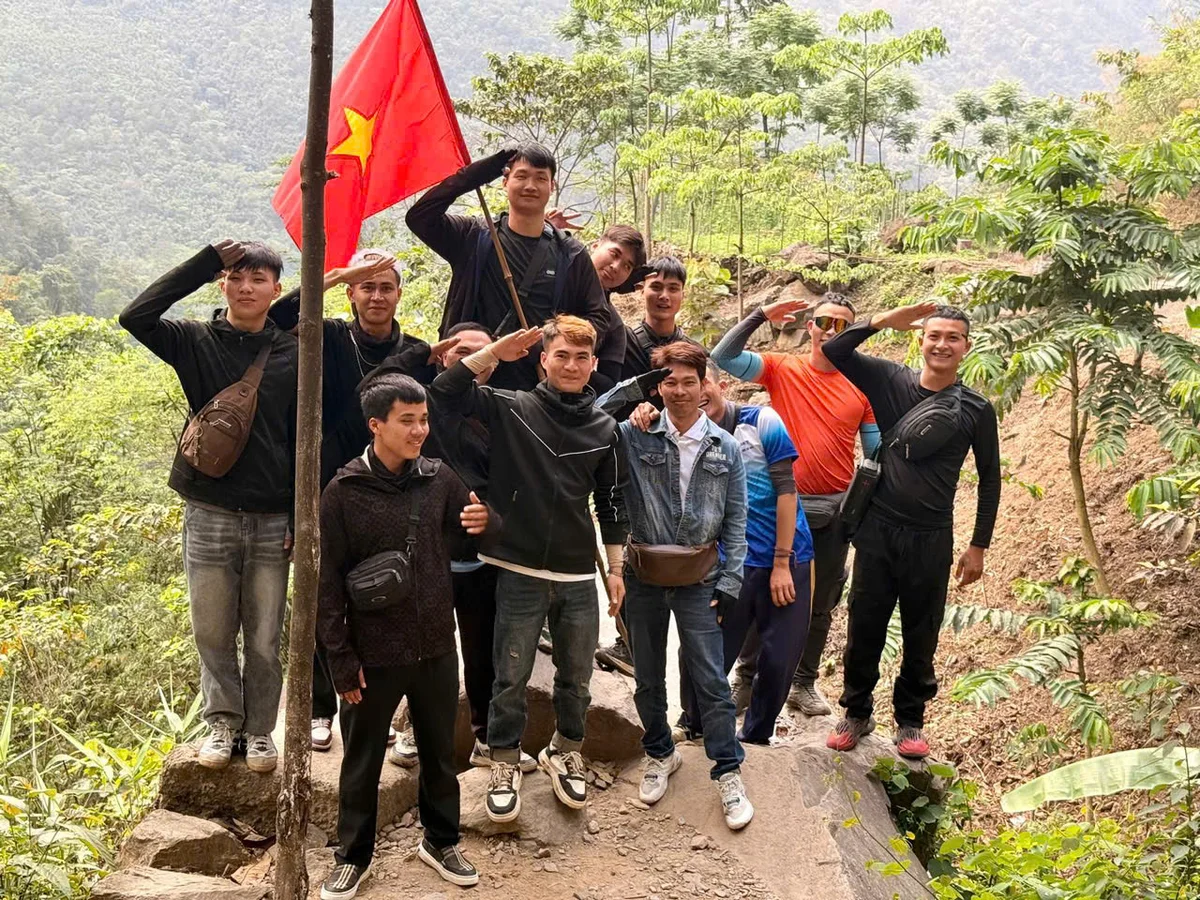
The Ripple Effect of Your Tip in Ha Giang
Here's the beautiful thing about tipping an Easy Rider.
The money often finds its way into local shops, family businesses, village markets, mechanics, tailors, schools and cafés across Ha Giang Province.
In other words, your appreciation doesn't simply reward excellent service, it continues circulating through the very communities you've spent the last few days exploring.
That's one of the reasons responsible tourism matters so much.
When you choose local companies, eat at local restaurants, stay with ethical operators like Bong Hostel and reward exceptional service when you feel it's deserved, you're helping ensure tourism benefits the people who make Ha Giang so special in the first place.
We think that's a pretty amazing legacy for a tip that started with nothing more than a heartfelt "Cảm ơn."
Why Easy Riders React So Emotionally to Tips
If you’ve ever tipped an Easy Rider and been met with a mix of shock, laughter, and slight embarrassment, that’s normal.
Because for many of them:
They don’t expect it
They don’t plan for it
And they’re often more focused on whether you enjoyed the trip than anything else
So when it happens, it feels less like a transaction and more like a moment—a “we actually shared something real on that road” moment.
How Much Should You Tip an Easy Rider?
There isn't a universal rule, and there never should be.
Your tip should reflect your own experience.
Did they make you laugh until your stomach hurt?
Did they help you with your bags?
Did your rider simply get you around safely?
Did they lend you their jacket when you underestimated how cold Ha Giang mountains can get?
Did they somehow manage to take better photos of you than you've ever taken yourself?
If the answer is yes, many travelers choose to leave something extra.
As a rough guide, here's what many guests at Bong Hostel tend to do after completing a three or four-day Loop:
Type of Tip | Amount (VND) | Rough Conversion | Ideal For |
Budget Tip | 500,000 VND | $19 / £14 / €16 | Travellers on a tight budget |
Standard Tip | 800,000 VND | $30 / £23 / €26 | A solid thank-you for good service |
Generous Tip | 1,000,000 VND+ | $37 / £29 / €33 | If your rider went above and beyond |
When you break it down over four days, it often works out to just a few pounds, euros or dollars per day.
For many travelers, that's less than the cost of a cocktail back home but for an Easy Rider, it can help buy groceries, repair a motorbike or contribute towards their family's future.
Remember though—this is simply guidance. There is no minimum, no maximum, and there should never be any pressure.
Read our full breakdown on How Much Should You Tip Your Easy Rider on the Ha Giang Loop.
How to Tip Your Easy Rider Properly
If you've decided you'd like to leave a tip, here are a few simple ways to do it.
1. Bring Cash
Vietnam is still very much a cash-based country, especially in rural areas like Ha Giang.
If possible, set your tip aside before you begin the tour so you don't accidentally spend it on coffees, souvenirs and "just one more beer."
Running low? No problem.
Just let your group leader know before heading back to Bong Hostel and they'll usually be happy to stop at an ATM on the way back into town.
2. Give It Directly
Rather than handing money to someone else, give your tip straight to your Easy Rider.
It's more personal, more meaningful and lets you thank the person who spent the last few days looking after you.
Even better? Pair it with a simple: "Cảm ơn!" (That's "thank you" in Vietnamese.)
Trust us—it'll probably make them smile even more than the money.
3. It's Not Just About Money
One thing we've learned over the years is that Easy Riders often remember thoughtful gestures just as much as tips.
Guests have given:
Handwritten thank-you cards
Small souvenirs from home
Football shirts
Photos from the trip
Keyrings
Stickers for helmets
Coats during winter
One rider even told us that a guest later mailed him a portable speaker after finding out his one had broken during the tour. This is something he will still talk about today (over a year later).
Sometimes it's not the value of the gift. It's the fact that someone remembered them after traveling halfway around the world.
Why Bong Hostel's Easy Riders Are So Special
Okay so we know we're biased, but we also know our riders incredibly well.
Many have been part of the Bong Hostel family for years.
They've watched nervous solo travelers make new friends
Helped organise surprise proposals
Taught thousands of people their first Vietnamese phrases
Introduced travelers to their families
Shared countless meals and shots of Happy Water
And probably appeared in more holiday photos than most people's own friends
For them, this isn't simply a driving job.
They're incredibly proud to call Ha Giang home, and every tour is an opportunity to share a place they genuinely love with someone who's seeing it for the very first time.
That's why guests so often leave saying the same thing: "The scenery was incredible... but the Easy Riders made the trip."
We couldn't agree more.
Discover Why You Should Get an Easy Rider for the Ha Giang Loop.
FAQs About Tipping Your Ha Giang Loop Easy Rider
Do Easy Riders keep 100% of their tips?
Yes. If you hand your tip directly to your Easy Rider, it goes straight to them. Bong Hostel does not collect or distribute rider tips.
Is tipping an Easy Rider mandatory?
No. Tipping is completely optional. If you had a fantastic experience and want to show your appreciation, a tip is always welcomed, but it should never feel like an obligation.
What do Easy Riders spend their tip money on?
Most Easy Riders spend their tip money on practical things such as supporting their families, buying groceries, maintaining their motorbikes, upgrading riding equipment, saving for Tet, or putting money aside for future goals and emergencies.
How much should I tip my Ha Giang Loop Easy Rider?
There isn't a fixed amount, but many travelers choose to tip anywhere from 500,000 VND to 1,500,000 VND, depending on the length of the tour and the service they received.
Can I give my Easy Rider a gift instead of a tip?
Absolutely. While cash is often the most practical and helpful gift, many Easy Riders also treasure handwritten cards, souvenirs from your home country, photographs from the trip or other thoughtful keepsakes that remind them of the people they've met along the way.
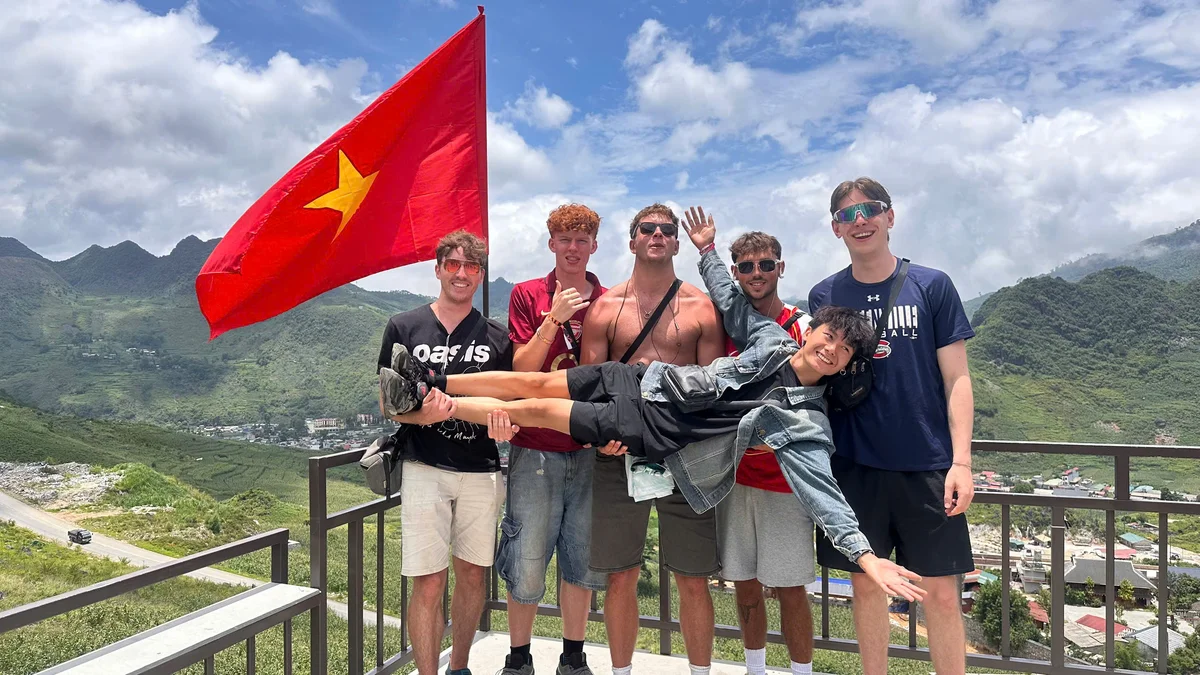
The Final Word: Your Tip Goes Further Than You Think
When you hand an Easy Rider a tip at the end of the Ha Giang Loop, you're doing far more than rewarding a job well done.
You're helping a parent buy school supplies
You're contributing towards safer bikes on future tours
You're supporting local businesses
You're helping someone prepare for Tet
You're making it possible for a rider to spend an extra afternoon with their family
You're investing directly in the community that welcomed you with open arms
And perhaps most importantly… You're telling someone that their kindness, patience, humour and hard work mattered.
That they'll be remembered long after you've unpacked your backpack back home.
At Bong Hostel, that's exactly what we hope every Ha Giang Loop is about—not just incredible landscapes, but genuine human connections.
Because the mountains may be what bring people to Ha Giang… But it's the people who make them want to come back.
Ready to Meet Your Own Easy Rider?
If you're dreaming of winding mountain roads, impressive viewpoints, and meeting some of the friendliest people you'll ever come across, we'd love to welcome you to Bong Hostel.
About Faye Hilling
Travel writer and Vietnam explorer sharing authentic experiences and insider tips for discovering the beauty of Vietnam.