
How Many Days Do You Need in Sapa? The Perfect 2–5 Day Sapa Itinerary (2026 Guide)

If you’re planning a trip through northern Vietnam, chances are Sapa is high on your list. And honestly, it should be.
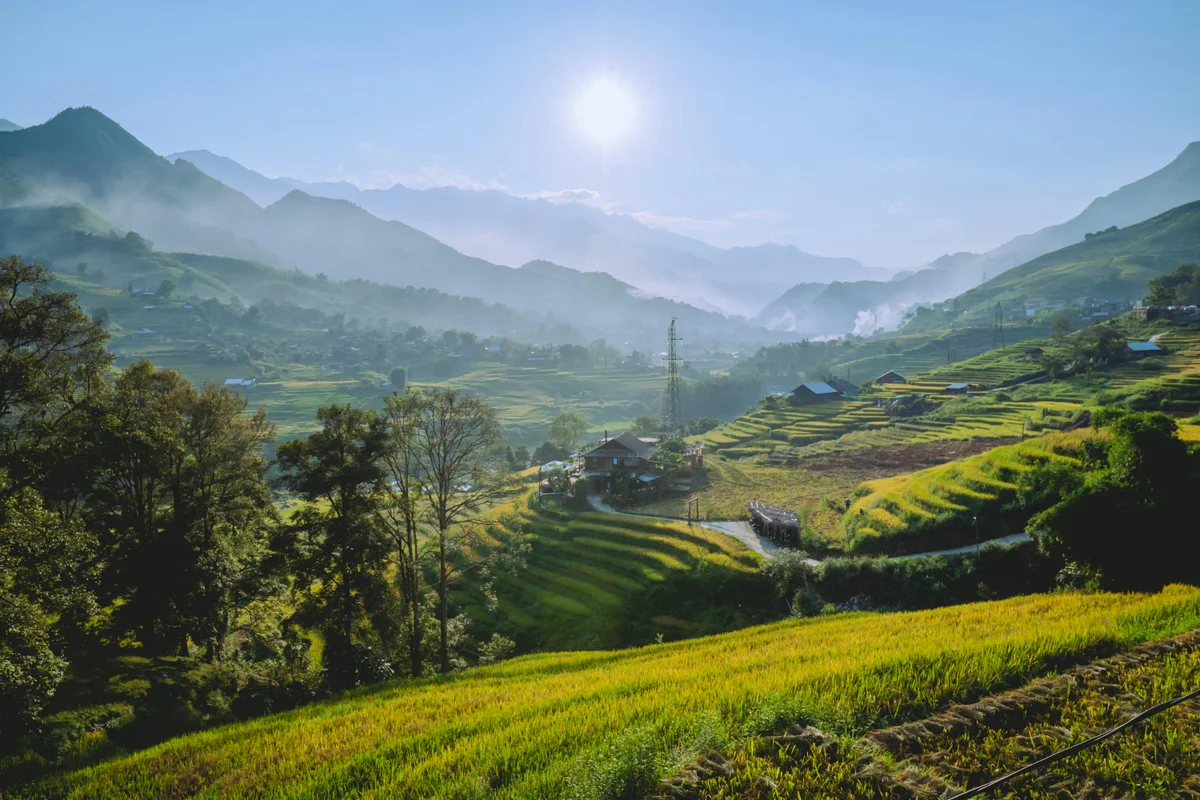
Between the rolling rice terraces, misty mountains, and villages dotted across the valleys, Sapa feels like stepping into a landscape painting.
One minute you're sipping Vietnamese coffee while clouds roll through the valley, the next you're trekking through rice fields with a local guide who knows every bend in the mountain trail.
But the big question most travelers ask before visiting is: How many days do you need in Sapa?
The short answer: most travelers should spend 3–4 days in Sapa.
That gives you enough time to trek, visit traditional villages, and explore local markets. But of course, every traveler is different.
In this guide, we’ll break down exactly how many days you need in Sapa, depending on your travel style, budget, and sense of adventure.
Where Is Sapa in Vietnam?
Sapa is a mountain town in northern Vietnam, located in Lao Cai Province near the Chinese border.
The town sits high in the Hoàng Liên Son mountain range, about 320 km northwest of Hanoi.
Because of its elevation, Sapa has a much cooler climate than most of Vietnam and is famous for its dramatic mountain views and terraced rice fields.
Most travelers reach Sapa by overnight train or sleeper bus from Hanoi, making it a popular stop when exploring northern Vietnam.
Why Sapa Is Worth Spending Time In
Before we start counting days, let’s talk about why Sapa is such a must-visit destination.
Tucked away in Vietnam’s northern mountains near the Chinese border, Sapa is famous for its jaw-dropping rice terraces carved into the hillsides.
These terraces change dramatically throughout the year—filled with water in late spring, bright green in summer, and golden during harvest season.
But Sapa isn’t just about scenery.
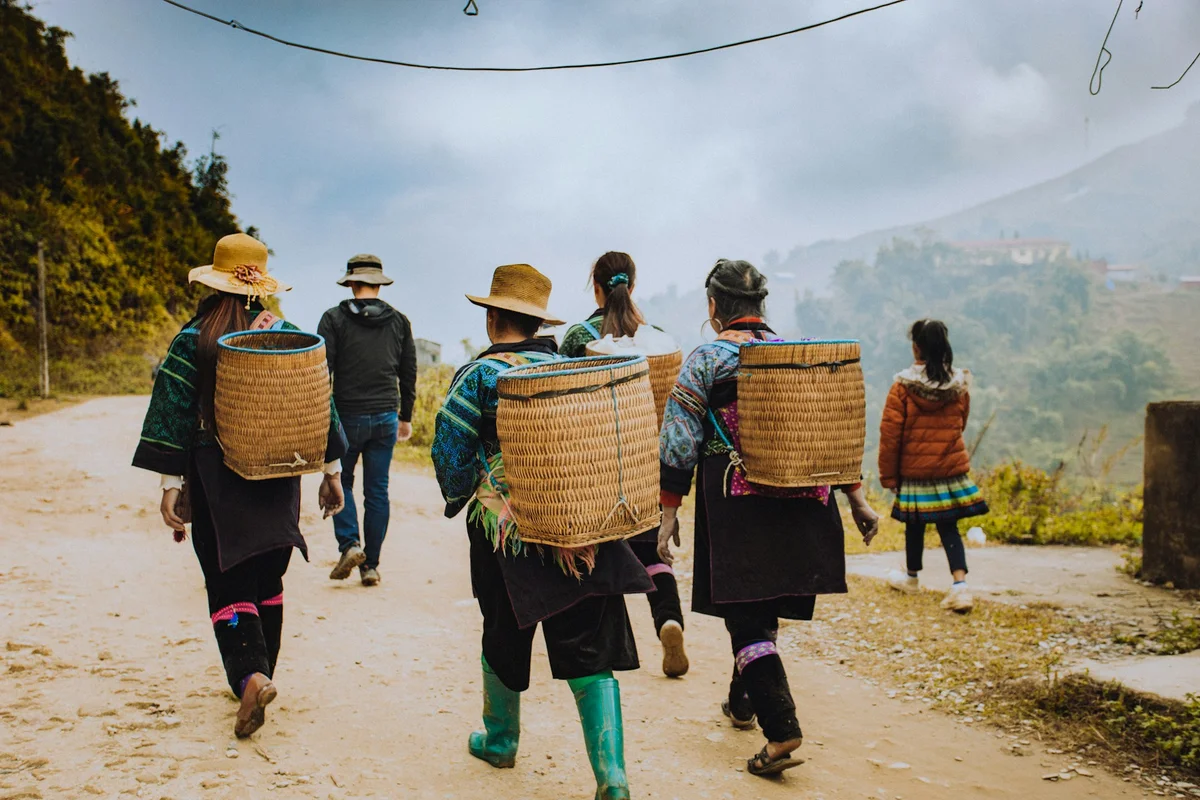
It’s also home to several ethnic minority communities, including:
Hmong
Red Dao
Tay
Giay
These communities have lived in the mountains for generations, maintaining unique traditions, clothing styles, and cultural practices.
When you trek through the valleys, you’ll pass:
Local farms
Small mountain villages
Waterfalls hidden in the jungle
Kids waving hello from hillside paths
It’s a place where travel slows down naturally—and that’s exactly why deciding how many days you need in Sapa matters.
Quick Answer: How Long Should You Stay in Sapa?
Here’s a simple breakdown depending on your schedule.
2 Days in Sapa: Perfect for travelers short on time who want to see the highlights.
3 Days in Sapa: The sweet spot for most backpackers and adventure travelers.
4–5 Days in Sapa: Ideal if you want deeper trekking experiences and cultural immersion.
6+ Days in Sapa: Best for slow travelers who want to explore remote villages and hidden trails.
Now let’s look at what each option actually feels like in practice.
1 Day in Sapa: Is It Worth It?
Technically, yes—but it’s a bit like watching the trailer instead of the movie.
A one-day visit usually happens when travelers arrive on an overnight bus or train from Hanoi, spend a full day exploring, and then leave again that evening.
You’ll get a glimpse of the landscapes, but it can feel rushed.
If you only have one day, the key is to plan it well and maximise your time.
One of the most efficient ways to do that is by joining a structured full-day trekking experience—especially one that starts the night before so you don’t lose valuable daytime hours traveling.
For example, some travelers choose to visit Sapa on an overnight trip from Hanoi that includes transport, a guided trek, and meals all organised in advance.
A typical experience looks like this:
Overnight sleeper bus from Hanoi
Early morning arrival in Sapa with breakfast
A guided trek through Muong Hoa Valley
Visits to villages like Y Linh Ho, Lao Chai, and Ta Van
Lunch with a local family
Return to Sapa town in the afternoon
This kind of setup allows you to fit a surprising amount into a single day, without worrying about logistics or planning routes yourself.
That’s exactly how Bong Hostel’s full-day Sapa trekking tour is designed—helping travelers with limited time still experience the highlights efficiently.
That said, even with a well-organised day, one day in Sapa still feels short. You’ll see the scenery, but you won’t fully experience the slower pace, village life, and deeper trekking routes that make the region special.
If your schedule allows it, staying at least two nights (or three days) will give you a much more complete experience.
Sample Sapa Itineraries for 2+ Days Visit
If you're planning a trip, it helps to look at a few Sapa itinerary options based on how long you plan to stay.
Below are some simple 2-day, 3-day, and 4-day Sapa itineraries that show what you can realistically see during your visit.
2 Day Sapa Itinerary: A Quick Mountain Escape
If you’re traveling on a tight schedule, two days in Sapa can still be a great experience.
This gives you enough time to combine light trekking with cultural exploration.
Typical 2-Day Sapa Experience
Day 1
Arrive from Hanoi by bus or train
Explore Sapa town
Visit the local market
Trek to Cat Cat Village
Watch sunset over the valley
Day 2
Morning trek through nearby rice terraces
Coffee with a mountain view
Return to Hanoi
It’s quick, but it works.
However, most travelers find themselves wishing they had one extra day.
To uncover where the best places are to enjoy a coffee in Sapa, click here: Discover the 25 Best Cafés in Sapa (Including 8 Secret Cloud Cafés).
3 Day Sapa Itinerary: The Perfect Backpacker Plan
If you’re wondering how many days you need in Sapa, this is the answer for most travelers.
Three days is the sweet spot.
It gives you enough time to explore the region without rushing, while still keeping your Vietnam itinerary moving.
Suggested 3-Day Sapa Itinerary
Day 1 – Arrival and Town Exploration
Arrive in Sapa from Hanoi and settle into your accommodation.
Spend the afternoon exploring:
Sapa Lake
Sapa Market
The small streets filled with cafes and bakeries
Grab dinner at a local restaurant and enjoy your first mountain sunset.
Trust us—they’re addictive.
Day 2 – Trekking Through Muong Hoa Valley
This is the day most travelers fall in love with Sapa.
Head out on a trek through Muong Hoa Valley, passing through iconic villages like:
Lao Chai
Ta Van
Along the way you’ll see:
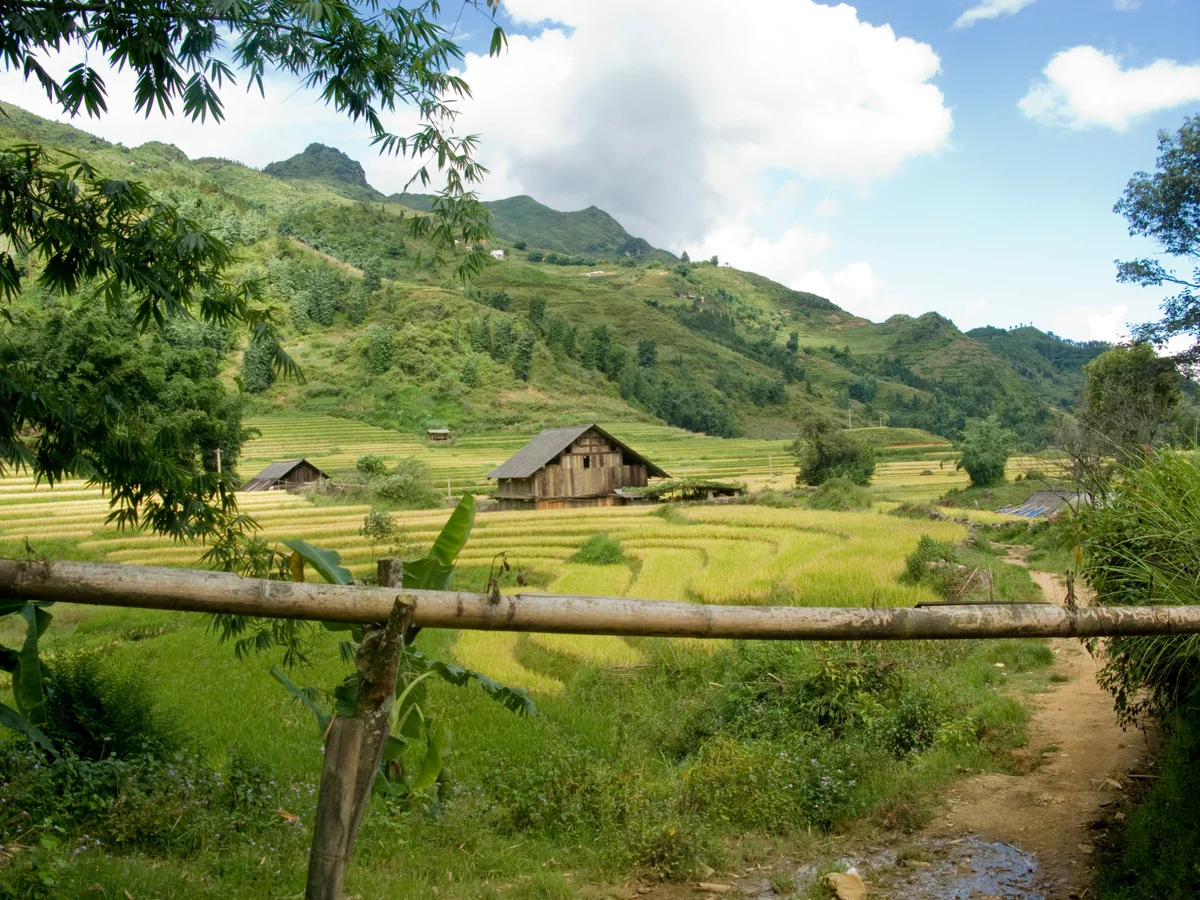
Endless rice terraces
Water buffalo grazing in fields
Wooden homes perched on hillsides
Women wondering along the road (they’re really friendly, speak good English, and often join you along your trek)
Many trekkers choose to stay overnight in a local homestay, which is one of the most memorable experiences in northern Vietnam.
Read more here about which season is good for trekking in Sapa.
Day 3 – Fansipan or Waterfalls
On your final day you have a couple of options.
Adventure lovers can take the cable car up Fansipan, the ‘Roof of Indochina’. The views from the summit are absolutely wild on a clear day.
Alternatively, explore nearby waterfalls such as:
Silver Waterfall
Love Waterfall
Then return to Hanoi in the evening.
Three days gives you a complete Sapa experience without feeling rushed.
4–5 Day Sapa Itinerary: A Deeper Adventure
If you’ve got the time, four or five days in Sapa is fantastic.
This longer stay lets you slow down and explore beyond the main tourist routes.
Instead of rushing between highlights, you can:
Trek deeper into remote villages
Spend more time with local families
Explore hidden trails most tourists miss
You could even make the 2-day hike up Fansipan instead of taking the cable car
For more discoveries beyond the main tourist routes, click here: Top 10 Hidden Gems in Sapa: Off the Beaten Path Discoveries.
1 Week in Sapa: What Slow Travel Means For Your Itinerary
If you're traveling slowly through Vietnam or working remotely, spending a week in Sapa can be incredibly rewarding.
With this much time, you can:
1. Take Longer Trekking Routes
Multi-day treks allow you to stay in different villages and see parts of the valley that day-trippers rarely reach.
2. More Cultural Experiences
Visit:
Local handicraft markets
Traditional villages
Cultural festivals (depending on the season)
3. Motorbike Adventures
One of the most underrated things to do in Sapa is renting a motorbike and exploring the surrounding mountains.
You’ll find:
Quiet valleys
Hidden viewpoints
Roads winding toward the Chinese border
More time equals more exploration.
If you’ve never been to Sapa before, click here: A First-Timer’s Guide to Sapa: What to See, Do, and Eat in Vietnam’s Mountain Gem.
Sapa vs Ha Giang: Which Should You Visit?
Many travelers planning a trip to northern Vietnam wonder whether they should visit Sapa or the Ha Giang Loop.
Both destinations offer incredible mountain scenery, but the experiences are quite different.
Sapa is best for:
Trekking through famous rice terraces
Visiting traditional ethnic minority villages
Relaxing mountain views and cafés
Guided trekking experiences
Ha Giang is best for:
Motorbike adventures
Epic mountain passes and road trips
Remote landscapes and fewer crowds
Multi-day riding routes
Extensions onto the Cao Bang Loop
Many travelers actually combine both destinations in one northern Vietnam trip, visiting Sapa for trekking and the Ha Giang Loop for that increasingly popular bucket list adventure.
Best Time to Visit Sapa in Vietnam
The season you visit can affect how many days you want to spend here.
Best Months to Visit
March – May: Spring weather with flower-filled landscapes.
September – November: Harvest season when rice terraces turn golden.
These months offer the best trekking conditions.
Winter (December – February)
Expect:
Cold temperatures
Heavy mist
Occasionally frost or sometimes even snow
There will be the odd day of sunshine so do not be disheartened
The views can be mysterious and beautiful, but trekking may be limited.
To discover some of the best things to do during winter in Sapa, click here: 17 Best Things to Do in Sapa This Winter.
Rainy Season (June – August)
This is when the rice terraces are their brightest green.
However, trails can become muddy, so trekking requires more patience.
Best Treks in Sapa (And How Long They Take)
Trekking is the main reason travelers visit Sapa.
Here are some of the most popular routes.
1. Cat Cat Village Trek (Half Day)
Perfect for beginners, this short trek takes you through little shops to Cat Cat Village, home to Hmong communities.
Expect:
Easy steps down
Scenic viewpoints
Waterfalls and pretty coffee shops and stores
Cultural demonstrations
It’s one of the easiest ways to experience Sapa trekking.
2. Muong Hoa Valley Trek (Full Day)
This is Sapa’s most famous trekking route.
The trail winds through rice terraces and traditional villages including Lao Chai and Ta Van.
Most travelers consider this the must-do trek in Sapa.
3. Fansipan Summit Trek (2–3 Days)
If you're feeling ambitious, you can trek to the summit of Fansipan, Vietnam’s highest peak at 3,143 metres.
It’s challenging but incredibly rewarding.
Where to Stay in Sapa
Your experience can change a lot depending on where you stay.
1. Sapa Town
Best for:
First-time visitors
Easy transport
Restaurants and cafes
Everything is within walking distance.
2. Ta Van Village
Best for:
Homestays (typically a stop over on an overnight trekking tour)
Cultural experiences
Incredible rice terrace views
Staying here puts you right in the middle of the valley.
3. Lao Chai Village
A quieter option with beautiful scenery and fewer crowds.
Perfect if you want a more peaceful mountain experience.
Budgeting for Sapa (Daily Costs)
Good news for backpackers: Sapa is very affordable.
Budget Travel
$20–$30 per day
Includes:
Dorm accommodation
Street food meals
Self-guided trekking
Mid-Range Travel
$40–$60 per day
Includes:
Comfortable accommodation
Restaurant meals
Guided trekking tours
Higher-End Travel
$80+ per day
Includes:
Private tours
Boutique hotels
Private drivers or trekking tours
No matter your budget, Sapa is one of the most affordable mountain destinations in Asia.
Read more about how much it costs to visit Sapa here: Budget-Friendly Sapa: How to Experience the Highlands Without Breaking the Bank.
How to Get to Sapa from Hanoi
Most travelers travel to Sapa from Hanoi. But some do go after they’ve done the Ha Giang Loop.
The two main options are:
Sleeper Bus: The most popular option. Journey time: about 6 hours from Hanoi and 7 hours from Ha Giang.
Train to Lao Cai + Transfer: A scenic overnight train followed by a short drive to Sapa. (Only available from Hanoi).
If you're already traveling with Bong Hostel in Hanoi, our team can help organise transport to Sapa easily.
Tips for Making the Most of Your Time in Sapa
1. Start Early
Mountain weather changes quickly. Starting treks early gives you the best chance of clear views.
2. Pack for Changing Weather
Sapa can go from sunshine to mist in minutes. Make sure you take this into account when packing for your Sapa adventure by bringing warm layers.
3. Book Local Guides
Local guides don’t just show the path — they share stories about the land, culture, and traditions of the region.
4. Leave Time to Relax
One of the best things to do in Sapa is simply sit with a coffee and watch the clouds move through the valley.
For more tips about Sapa, click here: What You Should Know Before Doing a Trekking Tour in Sapa: 10 Essential Tips.
Visiting Sapa With Bong Hostel (The Best Way to Do It)
When travelers ask how many days do you need in Sapa, the reality is that the quality of your trip often matters more than the number of days.
Booking with Bong Hostel helps maximise every hour.
Instead of worrying about:
Finding transport
Organising trekking routes
Booking homestays
Navigating unfamiliar mountain roads
Everything is handled for you.
You simply focus on:
The views
The trekking
The food
The local interaction and personal stories
The experience
Bong Hostel’s tours include:
Sleeper bus transfers between Hanoi/Ha Giang and Sapa
English-speaking local guides
Homestay accommodation in traditional villages
Meals throughout the tour
Entrance fees and village visits
For backpackers traveling through northern Vietnam, it’s one of the simplest and most efficient ways to explore Sapa.
And if you’re continuing your adventures in North Vietnam afterwards, Bong Hostel can also help organise transport to places like Ha Giang, Ha Long Bay, Cat Ba or Ninh Binh.
Combining Sapa With the Ha Giang Loop
So I’ve mentioned it before, but let’s address it in more detail…
Many travelers visiting Sapa are also planning to ride the legendary Ha Giang Loop.
The good news is that the two destinations pair perfectly together.
A typical northern Vietnam route looks like this:
Hanoi → Sapa → Ha Giang Loop → Other Northern destination of your choice
Bong Hostel specialises in helping travelers connect these destinations easily, which means less time worrying about transport and more time enjoying the mountains.
You can check out Bong Hostel’s Sapa tours and Ha Giang Loop adventures directly on our booking page.
FAQs: How Many Days Do You Need in Sapa
How many days do you need in Sapa?
Most travelers spend 3–4 days in Sapa. This allows time for trekking, visiting villages, and exploring the surrounding mountains.
Is 2 days in Sapa enough?
Two days is enough to see the highlights, but the experience will feel rushed. Three days is usually recommended.
Is Sapa worth visiting?
Absolutely. Sapa is one of the most scenic regions in Vietnam, famous for its rice terraces, mountain trekking, and ethnic minority villages.
Can you visit Sapa without a tour?
Yes. Many travelers explore independently, though guided treks can provide deeper cultural insight.
When is the best time to visit Sapa?
The best months are March to May and September to November, when the weather is mild and trekking conditions are ideal.
Is 3 days enough for Sapa?
Yes, 3 days is usually enough time to experience the highlights of Sapa.
In three days you can explore Sapa town, trek through the rice terraces of Muong Hoa Valley, and visit several ethnic minority villages like Lao Chai and Ta Van.
Many travelers consider 3 days the ideal balance between sightseeing and relaxation.
How far is Sapa from Hanoi?
Sapa is located about 320 kilometres (200 miles) northwest of Hanoi.
The journey typically takes 5–6 hours by sleeper bus or 6–8 hours by overnight train plus a short transfer from Lao Cai to Sapa.
Is Sapa better than Ha Giang?
Sapa and Ha Giang offer different experiences, so one is not necessarily better than the other.
Sapa is best for trekking and cultural village visits, while Ha Giang is famous for its motorbike loop and dramatic mountain roads.
Many travelers choose to visit both destinations during a northern Vietnam itinerary.
Do you need a guide in Sapa?
You don’t always need a guide to explore Sapa, but having a local trekking guide can greatly improve the experience.
Guides help you navigate the trails, explain local culture, and introduce you to ethnic minority villages that independent travelers might otherwise miss.
Final Thoughts: How Many Days Do You Need in Sapa?
So, how many days do you need in Sapa?
For most travelers, three days is perfect.
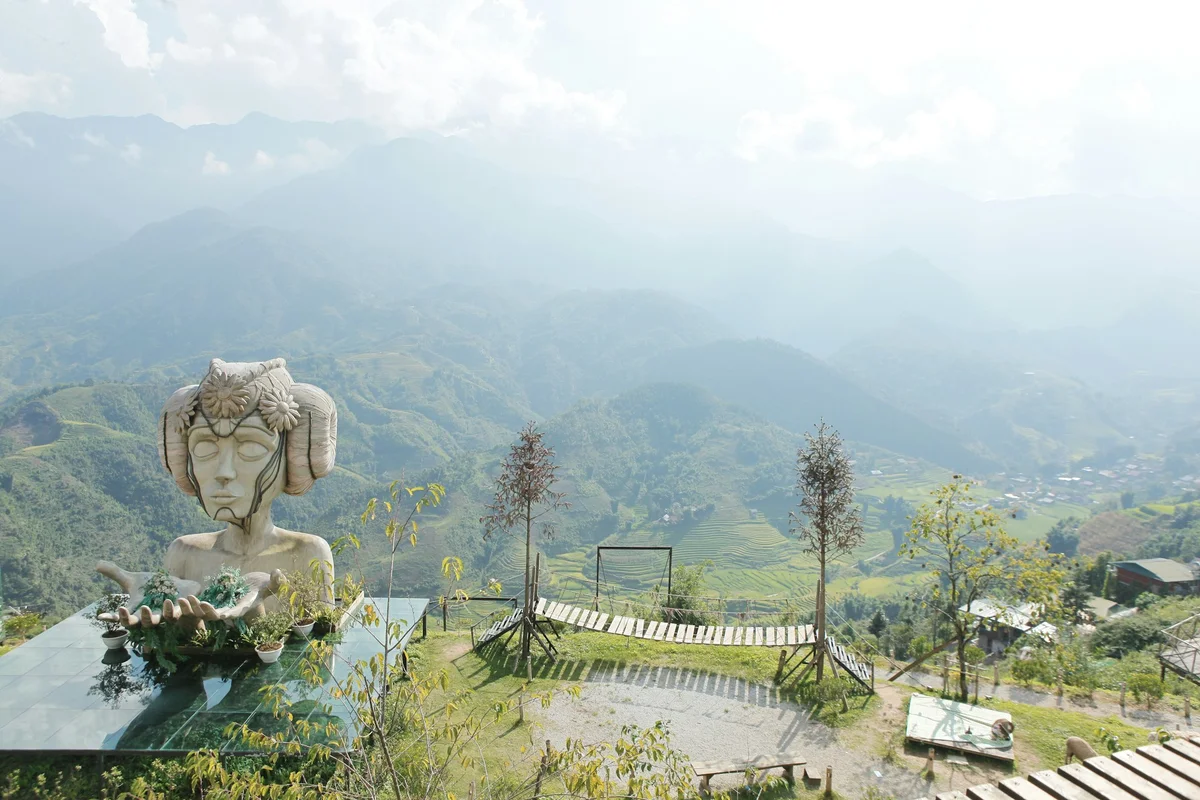
It gives you enough time to trek through the valleys, visit local villages, and experience the magic of the mountains without rushing.
But if you have extra time, staying four or five days lets you slow down and see a side of Sapa many visitors miss.
Sapa isn’t a place that demands a strict schedule. It’s a place that invites you to wander, explore, and take things at your own pace.
And if your trip through northern Vietnam includes the Ha Giang Loop, make sure to check out Bong Hostel’s tours and easy rider adventures to keep the adventure going.
About Faye Hilling
Travel writer and Vietnam explorer sharing authentic experiences and insider tips for discovering the beauty of Vietnam.