

Okay, so you’re off to Vietnam. But before you even think of booking your Hanoi hostel, sleeper bus, and Ha Giang Loop tour, there’s one small detail to sort out: your visa.
Vietnam has made it easier for international travellers to visit in recent years, with longer e-visas, more eligible entry points, and expanded visa-free access for certain nationalities. There have also been a few new arrival procedures to know about in 2026.
The problem is that Visa information online can be outdated, and getting it wrong could mean an expensive change to your travel plans.
Here’s what you need to know about Vietnam visa requirements in 2026, including who needs a visa, how to apply, and what to check before setting off.
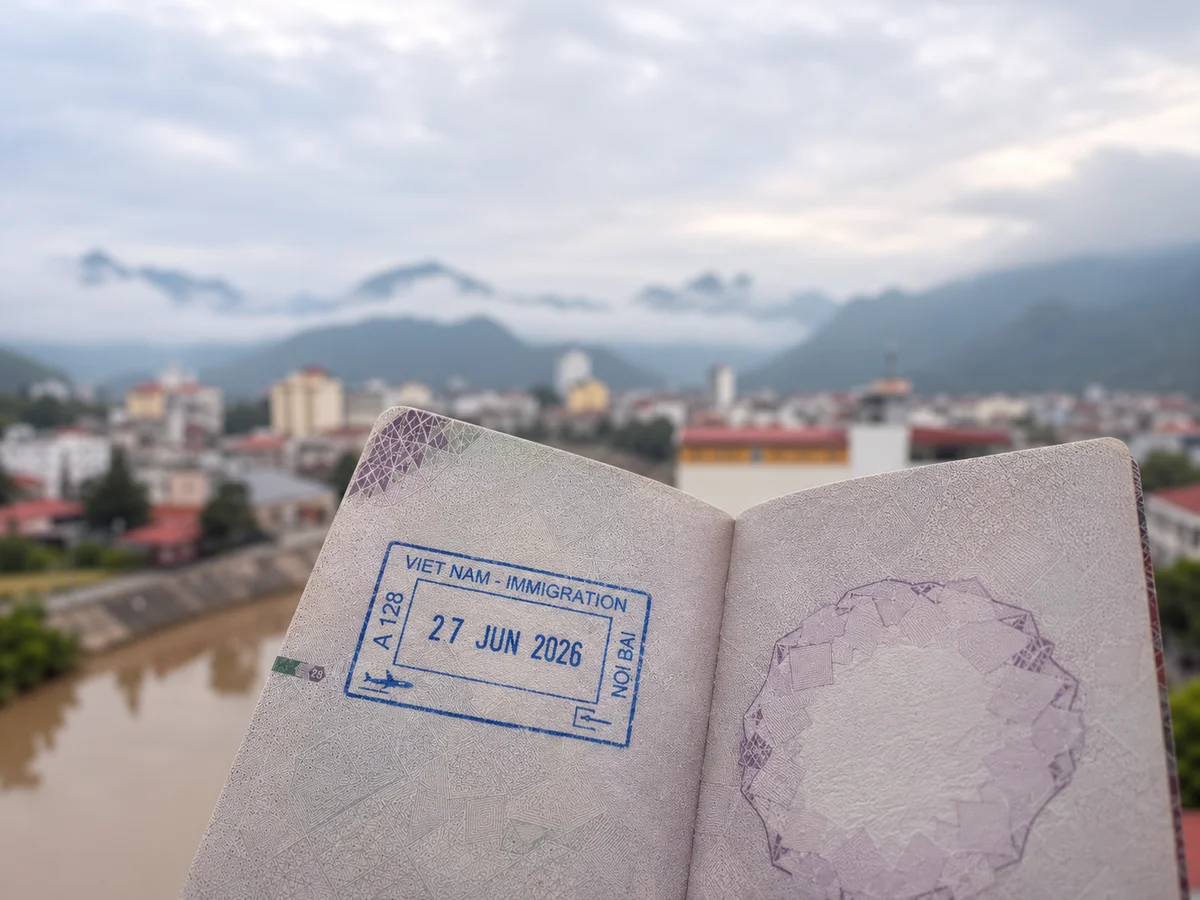
Do You Need a Visa to Visit Vietnam in 2026?
That depends on your nationality, how long you’re staying, and what you plan to do in Vietnam.
There are two main options for most backpackers: entering Vietnam visa-free or applying for an electronic visa (e-visa).
45-Day Visa-Free Entry to Vietnam
Citizens of 25 countries can currently enter Vietnam without a visa for stays of up to 45 days under two separate visa exemption policies, subject to the applicable entry conditions.
These countries are:
Europe: Belgium, Belarus, Bulgaria, Croatia, the Czech Republic, Denmark, Finland, France, Germany, Hungary, Italy, Luxembourg, the Netherlands, Norway, Poland, Romania, Slovakia, Slovenia, Spain, Sweden, Switzerland, and the United Kingdom.
Elsewhere: Japan, Russia, and South Korea.
The two exemption policies are currently scheduled to run until March 2028 and August 2028, respectively, although travellers should check the latest rules before departure.
If you're travelling on an eligible passport and your trip lasts 45 days or less, you may qualify for visa-free entry without applying for a tourist visa in advance.
You must still meet Vietnam's entry requirements, so check the current conditions for your nationality before departure.
Visa paperwork is just one part of getting ready. Check out our guide to preparing for your trip to Vietnam for more practical tips before you set off.
What If Your Country Isn't on the Visa-Free List?
If this is the case, then don't panic. Vietnam's e-visa system is open to citizens of all countries and territories.
This means most backpackers who aren't eligible for visa-free entry can apply online before travelling. It's also an option for travellers who qualify for a visa-free stay but want to remain in Vietnam for longer, as they have e-visas for up to 90 days.
Vietnam E-Visa Updates for 2026
The e-visa is the main option to consider if you're planning an extended trip around Vietnam or travelling on a passport that doesn't qualify for visa-free entry.
Here's how it works.
E-visa requirement | Current details |
Eligible nationalities | All countries and territories |
Maximum validity | Up to 90 days |
Entry options | Single or multiple entry |
Government fee | $25 single entry & $50 multiple entry |
Typical processing time | Around 5 working days; allow extra time |
Application website |
How Long Can You Stay in Vietnam on an E-Visa?
Vietnam's e-visas can be issued for up to 90 days, with either single-entry or multiple-entry permission.
This is particularly useful for backpackers travelling Vietnam from North to South, or vice versa, and want more time for side quests along the way (yes, I’m thinking about you Cao Bang Loop).
Or, perhaps you're planning to spend a month exploring Vietnam, cross into Laos, and return to Hanoi before flying home.
A multiple-entry e-visa can allow you to leave and re-enter Vietnam during its validity, provided you comply with the conditions on your approved visa.
A single-entry visa, on the other hand, generally stops being usable for another entry once you've left Vietnam.
How Much Does a Vietnam E-Visa Cost?
The government application fee is $25 USD single entry and $50 USD for a multiple-entry e-visa.
These fees are non-refundable if your application is refused.
You may see other websites advertising Vietnam visas for considerably more. Some offer additional assistance or expedited services, but you can apply directly through the official government portal without paying a third-party service fee.
Where Can You Enter Vietnam with an E-Visa?
Vietnam expanded the list of international checkpoints accepting e-visas in December 2025.
There are now 83 designated entry and exit checkpoints, including 17 airports, 27 land border gates, and 39 seaports.
For backpackers, the expanded list is particularly useful if you're planning to travel overland between Vietnam and neighbouring countries such as Laos or Cambodia.
However, don't assume every border crossing accepts e-visas. Check your intended entry and exit points against the current official list before booking transport.
You should also verify that any airport you plan to use is operational. Some newly designated airports are subject to their operational opening dates.
Want to know about taking the bus from Vietnam to Laos? Here are all the details.

What Are the New Vietnam Entry Rules in 2026?
Not every visa update means you need to apply for a different document. Some changes concern the information you provide when arriving in the country.
The Digital Pre-Arrival Declaration
Vietnam introduced a Pre-arrival Information (PAI) system in April 2026, initially at Tan Son Nhat International Airport in Ho Chi Minh City.
The system allows travellers to submit personal, visa, and journey information online before arrival. Once completed, it generates a QR code that can be saved on your phone or printed.
You can access the system through the official Vietnam Pre-arrival Information portal.
While the PAI system was initially piloted at Tan Son Nhat International Airport in Ho Chi Minh City its rollout may extend to other international airports across Vietnam.
During the pilot phase, the declaration has also been by Vietnamese immigration authorities as voluntary rather than mandatory.
Check the latest official guidance before departure, as procedures may change.
Have the Basic Entry Requirements Changed?
For most tourists, the core requirements remain familiar: a valid passport and the correct permission to enter Vietnam.
Before travelling, make sure you:
Have a passport with at least six months of validity remaining when you enter Vietnam, and make sure you have enough blank pages for immigration stamps.
Have a valid visa or qualify for a visa exemption.
Check that your approved visa covers your intended arrival date and length of stay.
Use the same passport to enter and leave Vietnam.
Keep a copy of your approved e-visa accessible, preferably offline as well as on your phone.
Your airline may also check your documents before allowing you to board, but it's much easier to sort out a passport issue at home than at the airport check-in desk, or even worse… at Vietnam’s immigration counter.
Remember that your visa and accommodation registration are two different things. Read our guide to Vietnam's temporary residence rules to understand what happens when you check into accommodation.
How to Apply for a Vietnam E-Visa
If you need a visa, the application process is relatively straightforward. Just don't leave it until the night before your flight while frantically trying to find good lighting for your passport photo.
Step 1: Visit the Official Website
Head to evisa.gov.vn, the official Vietnamese e-visa portal.
Be careful with sponsored search results and websites that look official but charge additional service fees. Double-check the web address before entering your personal information or payment details.
Step 2: Prepare your Documents
You'll generally need:
A valid passport.
A digital image of your passport's personal information page.
A suitable digital passport-style photograph.
Your intended travel dates and other requested information.
Follow the portal's current photo and file requirements carefully.
Step 3: Complete the Application
Enter your personal details exactly as they appear on your passport.
Double-check your full name, passport number, nationality, and dates. Small mistakes during the application process can cause disproportionately large headaches when you're trying to board your flight.
Choose the correct visa type, entry option, and make sure your intended length of stay matches up with your exit date (you select these details separately).
If you plan to leave Vietnam and return during your trip, make sure you understand whether you need multiple-entry permission.
Step 4: Pay the Government Fee
Pay the relevant fee through the official portal.
Payment does not guarantee approval, and the fee is non-refundable if your application is refused.
Step 5: Check Your Application and Download Your Visa
Processing typically takes around five working days, but delays can happen.
Apply well ahead of your departure date rather than relying on the advertised processing time as a guarantee. Weekends, public holidays, and application errors can all affect your plans.
Once approved, download your e-visa and check every detail. Make sure the validity dates, passport information, and entry permission match your itinerary.
Vietnam's health declaration is a separate system from the digital immigration arrival card. For the latest explanation of when a health form may be required, read our guide to Vietnam's health declaration rules in 2026.
What Happens If You Overstay Your Vietnam Visa?
Vietnam increased the maximum administrative fine for certain immigration violations under Decree 282/2025, which took effect in December 2025. The applicable penalty depends on the circumstances and length of the overstay.
Don't assume that being only a day or two late won't matter.
If your plans change, your flight gets cancelled, or you realise your visa expires sooner than expected, seek advice from the Vietnamese Immigration Department or the relevant authorities as soon as possible.
Don't rely on a last-minute border run or assume you can extend your stay simply by submitting another online application. Check what options are available for your particular circumstances before your current visa expires.
What If You Become Seriously Ill and Can't Leave Vietnam Before Your Visa Expires?
Hopefully, it never happens, but illness or a medical emergency can sometimes disrupt even the best-planned trip.
If you're hospitalised in Vietnam and too unwell to leave Vietnam before your visa expires, it's important to deal with the situation as soon as possible.
Being too ill to travel does not automatically extend your visa or permission to stay. However, you should contact the Vietnamese Immigration Department before your permitted stay expires and explain why you're unable to leave.
Here's what to do:
Get medical documentation. Ask your hospital for an official medical certificate or letter confirming your condition, treatment dates, and whether you're currently fit to travel. Keep copies of relevant hospital records and any doctor's advice about flying.
Contact Vietnamese immigration authorities. Explain that you're unable to leave because of a medical condition and ask what arrangements or temporary residence extension procedures may be available in your circumstances. Don't assume that a hospital admission automatically protects you from an overstay.
Contact your embassy or consulate. Your embassy may be able to provide consular assistance, explain local procedures, and help you communicate with the relevant authorities. It cannot automatically extend your Vietnamese visa, though.
Speak to your hospital's administration team. If you're receiving treatment, ask whether someone can help you contact immigration authorities or provide the medical paperwork you'll need.
If your visa has already expired, don't ignore the situation or simply wait until you're discharged.
Contact immigration authorities as soon as possible, explain the circumstances, and provide supporting medical evidence. Any decision about an extension, penalty, or permission to leave will depend on the individual case.

Can You Extend Your Vietnam E-Visa?
If you've fallen in love with Vietnam and aren't ready to leave, you're certainly not alone.
One more bowl of pho, one more Ha Giang Loop tour, one more night out in Hanoi... suddenly, your departure date looks rather inconvenient.
You can't simply submit a new e-visa application from inside Vietnam and assume it will extend your current permission to stay.
If you want to stay longer, check your options with the Vietnamese Immigration Department before your current permission expires. For many tourists, this may mean leaving Vietnam and applying for a new e-visa from outside the country.
You'll need to have the new visa approved before attempting to re-enter, and you'll still need to meet the entry requirements.
Don't leave it until the last minute, either. Your existing visa or visa-free permission still has an expiry date, and applying for another visa doesn't automatically extend your current stay.
Planning Your Vietnam Trip? Here's What to Check Before You Go
Once your visa is sorted, you can get back to the important business of deciding where to eat, which Sapa trekking routes to follow, and how many nights you can realistically spend on a sleeper bus before losing your mind.
Before departure, run through this quick checklist:
Check your nationality's visa requirements. Don't assume the rules are the same for everyone in your travel group.
Confirm your dates. Your visa or visa-free allowance must cover your entire intended stay.
Check your entry point. Make sure your e-visa is suitable for your planned route and that your checkpoint accepts it.
Allow enough processing time. Apply well before your flight and avoid leaving everything until the last minute.
Check arrival procedures. Look for any current pre-arrival declaration instructions relevant to your airport.
Save your documents offline. Airport Wi-Fi and mobile data aren't always reliable when you need them most.
Recheck official guidance. Visa policies can change, so confirm the rules shortly before travelling.
If you're travelling overland, pay particular attention to your border crossing. A route that looks straightforward on a map doesn’t necessarily accept e-visas.
Where to Stay in Hanoi: Your Gateway to North Vietnam
For most backpackers, Hanoi is the perfect place to begin exploring northern Vietnam.
It's a brilliant introduction to the country, with its busy Old Quarter streets, street-food stalls, tiny coffee shops, and enough things happening at once to keep you entertained for days.
But Hanoi is more than somewhere to recover from your flight. It's also a handy base for organising the rest of your adventure.
If you're looking for somewhere to stay, Bong Hanoi Hostel in the Old Quarter is a great place to start.
Settle in, meet other travellers, swap recommendations, and work out where to head next. You might even find your future travel buddies over breakfast.
But the best bit is that you can organise your next adventure without spending hours comparing tour operators and trying to work out which bus leaves from which random corner of the city.
Not sure which neighbourhood suits you? Our guide to where to stay in Hanoi compares the Old Quarter and French Quarter to help you choose.
Where Can You Go from Hanoi?
Northern Vietnam has plenty to offer beyond the capital, and Bong Hostel runs tours to some of the region's most popular destinations.
Ha Giang Loop: Head into the mountains for winding roads, local village life, and amazing scenery. Choose an Easy Rider tour if you'd prefer a local driver to handle the mountain roads, or explore the self-riding options if you're eligible and confident riding.
Ninh Binh tours: Explore karst landscapes, rivers, and rice field scenery on a trip south of Hanoi.
Sapa trekking tours: Swap city streets for mountain trails, terraced landscapes, and walks through northern Vietnam's countryside.
Ha Long Bay and Lan Ha Bay cruises: Spend time on emerald-green waters, surrounded by towering limestone islets and beautiful coastal scenery.
No matter how many days you’ve allocated for Northern Vietnam, Bong Hostel can help you build your backpacking itinerary around the time you have available.
Not sure whether to ride yourself or travel as a passenger? Read our guide to what a Ha Giang Loop Easy Rider actually does before choosing your tour.
Vietnam Visa Requirements: FAQs
1. Do I need a visa to visit Vietnam in 2026?
It depends on your nationality and how long you plan to stay. Citizens of certain countries can enter Vietnam visa-free for up to 45 days, while citizens of all countries and territories can apply for an e-visa. Check the current requirements for your passport before travelling.
2. How long can I stay in Vietnam on an e-visa?
Vietnam's e-visa allows stays of up to 90 days, with either single-entry or multiple-entry permission. Your approved visa will specify your permitted dates, so check these carefully before booking your onward travel.
3. How much does a Vietnam e-visa cost?
The official government fee is $25 USD for single entry and $50 USD for a multiple-entry e-visa. Apply through the official Vietnam e-visa website to avoid unnecessary third-party service fees.
4. How long does a Vietnam e-visa take to process?
Processing typically takes around five working days, although delays can happen. Apply well before your departure date, allowing extra time for weekends, public holidays, and application errors.
5. Do I need a digital arrival card to enter Vietnam?
Vietnam introduced a digital pre-arrival information system in 2026, initially at Ho Chi Minh City's Tan Son Nhat Airport. The system is being expanded to other airports. Check the latest official guidance for your arrival airport before travelling, as requirements may change.
6. Can I enter Vietnam more than once on the same visa?
Yes, provided you have a valid multiple-entry e-visa and your travel falls within its approved validity period. A single-entry e-visa generally cannot be used to re-enter Vietnam after you've left, so choose the right option if you're planning to visit neighbouring countries during your trip.
7. What happens if I overstay my Vietnam visa?
Overstaying can lead to fines, delays when leaving the country, deportation, or difficulties returning to Vietnam in the future. If your plans change, contact the Vietnamese Immigration Department before your permitted stay expires rather than risking an overstay.

━━━━━━━━━━━━━━━━━━━━━━━━━━━━━━━━━━━━━━━━━
Sort Your Vietnam Visa, Then Start Exploring
Getting your Vietnam visa requirements right might not be the most exciting part of planning your trip, but it gives you one less thing to worry about once you start the journey.
Check the rules for your nationality, make sure your passport and visa cover your entire stay, and use the official immigration website for your application. With those essentials sorted, you can focus on the good stuff.
Start in Hanoi, eat your way around the Old Quarter, meet fellow backpackers, and use the city as your launch pad for the mountains, bays, and countryside beyond.
About Faye Hilling
Travel writer and Vietnam explorer sharing authentic experiences and insider tips for discovering the beauty of Vietnam.