
Hanoi Old Quarter Changes in 2026–2027: What Travellers Need to Know
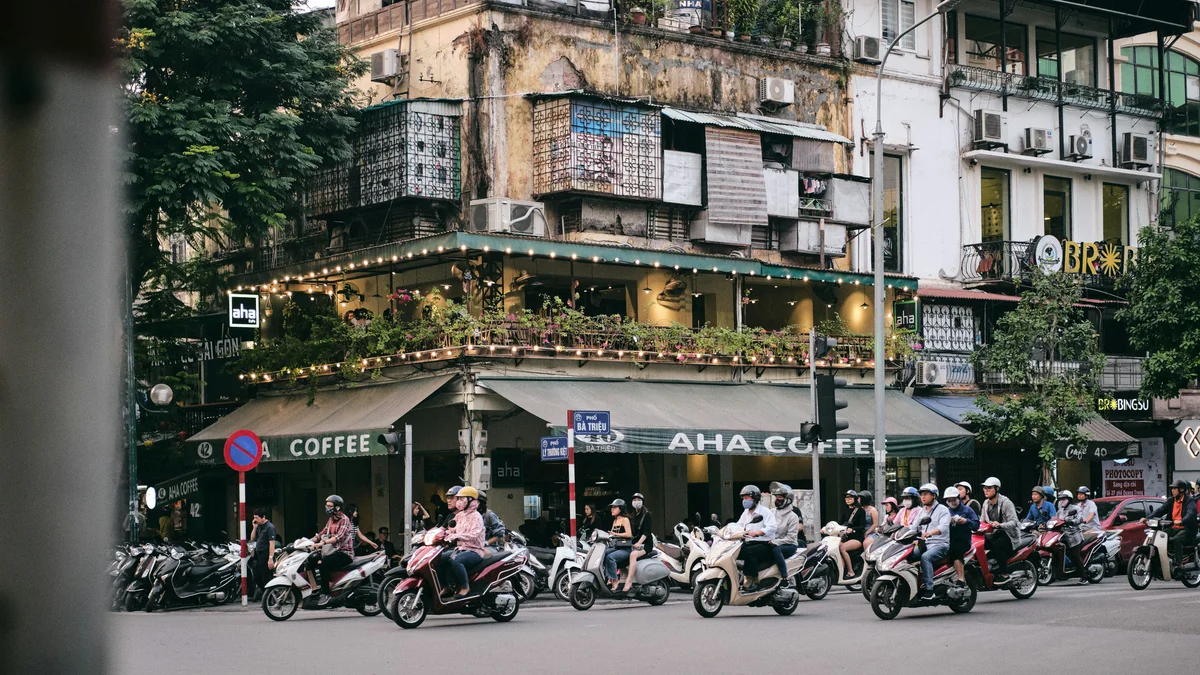
Hanoi Old Quarter is famous for its narrow streets, jam-packed shopfronts, street food stalls, and weaving motorbikes that operate in organised chaos.
But this historic neighbourhood is changing as Hanoi looks to improve housing, modernise ageing buildings, and protect its architectural heritage.
So, what are the changes to Hanoi Old Quarter in 2026 and 2027?
Recent announcements about changes to Hanoi Old Quarter include a new social housing measure for overcrowded households, proposals to redevelop ageing apartment blocks, and long-term plans to preserve the area's historic character.
The good news for travellers is that there's no confirmed plan to close the Old Quarter or replace its famous streets with shiny new developments overnight.
Here's what's actually happening, what remains a proposal, and what you need to know before visiting Hanoi.
Hanoi Old Quarter Changes: Helping 900+ Households Find New Homes
One of the biggest recent announcements concerns the people who live in the Old Quarter, rather than the tourists who wander through it.
On 28 October 2026, Hanoi's People's Council approved a resolution allowing eligible households living in the Old Quarter and older parts of Hoan Kiem Ward to buy or enter hire-purchase agreements for social housing without taking part in the usual ballot.
A review by local authorities identified 902 households, comprising 3,621 residents, living in severely overcrowded conditions. These households may qualify for the scheme if they meet the relevant eligibility criteria.
Some residents have less than five square metres of living space per person, with several generations sometimes sharing a home measuring less than 20 square metres.
It's a reminder that behind the picturesque streets and busy shopfronts, some residents face genuinely difficult living conditions.
Why Are Residents Moving?
Many of Hanoi Old Quarter's traditional tube houses are narrow, ageing properties that have been adapted over generations. Some accommodate several households, while others combine living spaces with shops and cooking facilities.
In certain buildings, ageing electrical systems, deteriorating structures, and limited escape routes also create safety concerns.
The new measure aims to give eligible residents a clearer route towards safer, more spacious accommodation.
Hanoi plans to make up to 902 social housing apartments available, with 552 apartments across nine projects anticipated in 2026. Further apartments may be made available in 2027, depending on supply and eligibility.
However, this isn't a mass eviction, and it doesn't mean the entire Old Quarter is being cleared. The scheme applies to qualifying households that meet the relevant conditions.
Will Tourists Notice a Difference?
Probably not immediately.
The measure is primarily about improving housing conditions rather than changing the streets that visitors explore. Any wider effects on the neighbourhood will depend on how the programme is implemented over time.
For travellers, it's worth remembering that the Old Quarter isn't simply a historic attraction. It's a living neighbourhood where families run businesses, children go to school, and residents get on with everyday life.
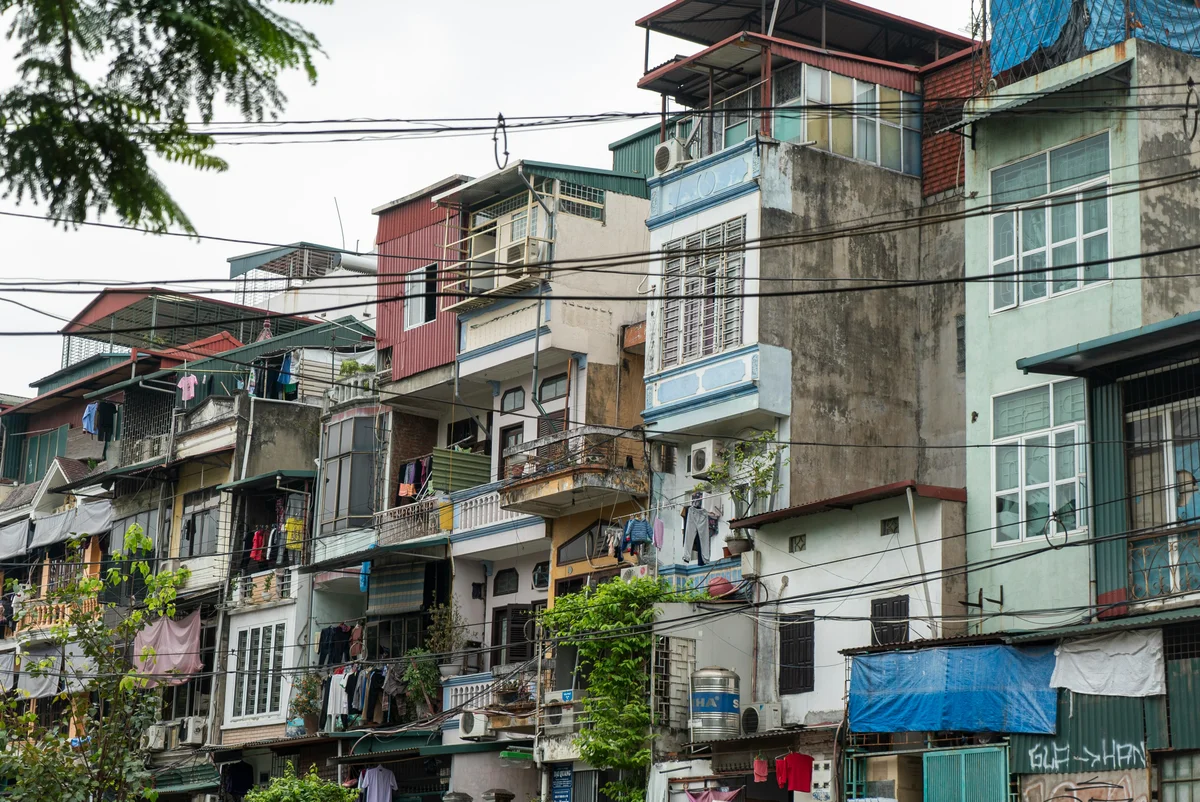
Changes to Hanoi Old Quarter: 23 Hang Tre Street
Another development worth knowing about is the proposed redevelopment of an ageing apartment complex at 23 Hang Tre Street, close to Hoan Kiem Lake.
Built between 1984 and 1988, the existing five-storey complex has deteriorated over the years. Hanoi has tasked its Department of Construction with overseeing the redevelopment of several ageing apartment buildings, including this one.
The proposed replacement at 23 Hang Tre would feature a 21-storey tower and three basement levels. The project is part of a wider effort to improve older residential buildings across the capital.
It's an interesting example of the changes taking place in central Hanoi. While many visitors associate the Old Quarter with centuries-old architecture, the area also contains residential buildings from more recent periods that need attention.
Is the Tower Definitely Going Ahead?
The redevelopment has been proposed, but that doesn't mean construction is complete or that visitors should expect to see a finished tower in 2027.
It's also a specific redevelopment project, not evidence that every old building in the Old Quarter will be replaced by a high-rise.
If you're staying nearby, keep an eye on local conditions and any construction notices. Otherwise, there's no need to change your itinerary because of this proposal alone.
Why Does the Government Want to Make Changes to Hanoi Old Quarter?
It's not all redevelopment and new housing. Protecting the Old Quarter's historic identity is also a major part of Hanoi's long-term urban planning.
Hanoi's comprehensive master plan with a 100-year vision was approved in May 2026. It sets out long-term aims to improve infrastructure, create greener urban spaces, and restructure the city while preserving areas with significant historical and cultural value.
The Old Quarter, the French Quarter, and the area around Hoan Kiem Lake are among the places identified for careful management and conservation.
Staying in Hanoi but not sure which neighbourhood suits you? Our guide to where to stay in Hanoi compares the Old Quarter and French Quarter to help you choose.
Which Streets and Landmarks Are Important?
The conservation vision includes familiar streets such as Hang Dao, Hang Duong, Hang Ngang, and Dong Xuan.
Historic sites identified for preservation or restoration include Dong Xuan Market, Bach Ma Temple, Hang Bac Communal House, and the heritage house at 87 Ma May.
The wider Hoan Kiem Lake area is also an important focus, with plans to protect its historic buildings and distinctive streetscape while improving public spaces.
Hanoi's longer-term vision also includes plans to revitalise the interiors of historic street blocks, potentially creating more spaces for cultural activities and traditional festivals.
The idea is to preserve the Old Quarter's character while giving its historic streets and buildings a continuing role in everyday city life.
For visitors, this is encouraging news. The aim is to balance modern urban needs with the architectural details and traditional street layouts that make Hanoi's historic centre so distinctive.
However, conservation doesn't mean every building will remain untouched. Some properties may need substantial restoration, while others may require redevelopment for safety reasons.
The challenge is to modernise the city without losing the character that makes it worth visiting in the first place.
Will the Famous 36 Streets Change?
The traditional street layout is intended to remain an important part of the Old Quarter's identity.
Historically, many streets became associated with particular trades, and their names still reflect that commercial heritage. Today, you'll find a mixture of traditional businesses, cafés, souvenir shops, street food stalls, and modern retailers.
The shops and businesses may change, but the historic layout remains central to the area's appeal.
If you're visiting Hanoi for the first time, don't limit yourself to the busiest shopping streets. Some of the most interesting discoveries happen when you turn down a quieter lane and see what everyday life looks like away from the main tourist routes.
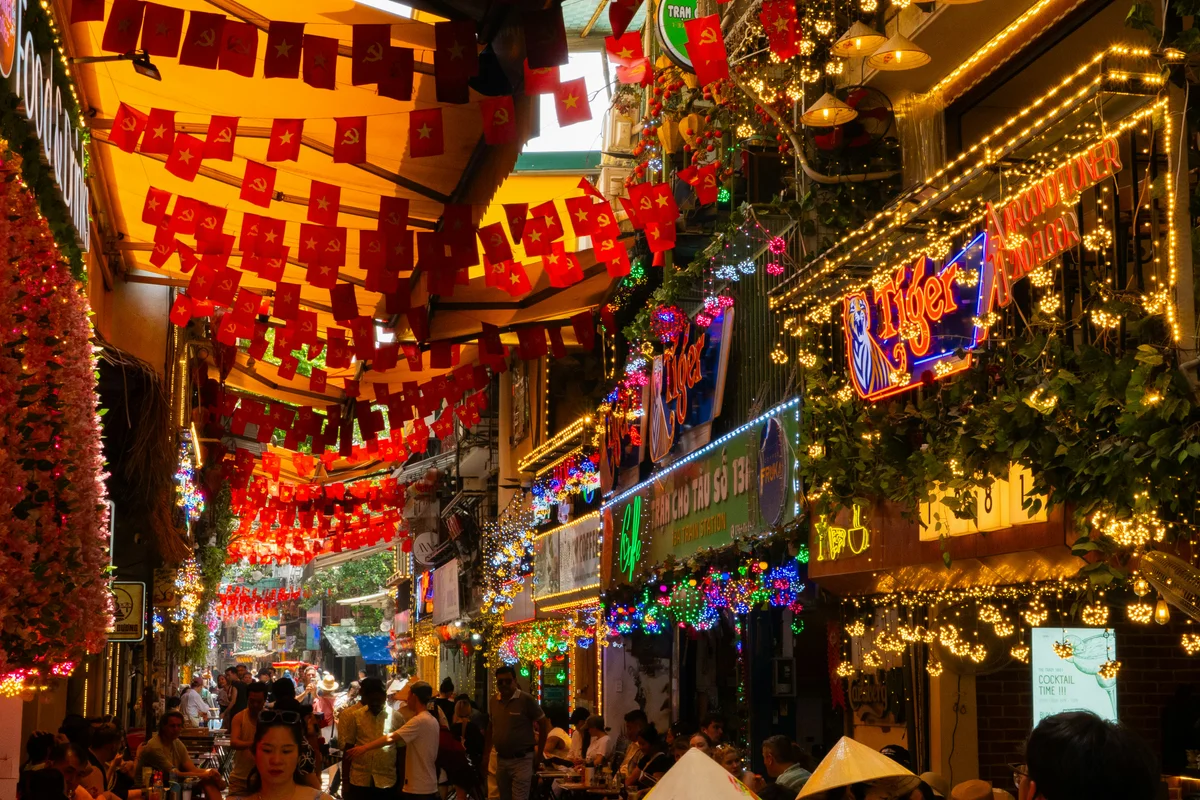
Is Hanoi Planning to Relocate Hundreds of Thousands of Residents?
You may have seen headlines claiming that Hanoi plans to relocate more than 860,000 residents as part of its urban restructuring programme.
It's worth taking those claims with a pinch of salt.
Hanoi's long-term master plan does include major changes to the city's urban layout, with a focus on reducing pressure on the inner city, improving infrastructure, and developing new urban areas.
However, officials have disputed the widely circulated claim that 860,000 residents are subject to a confirmed mass-relocation programme.
The city's long-term planning ambitions shouldn't be confused with a final, detailed relocation schedule for every neighbourhood.
For Hanoi Old Quarter specifically, the confirmed housing measure to help eligible overcrowded households is a more immediate development.
Wider changes will depend on individual projects, implementation decisions, and further planning.
What Does This Mean for Hanoi Old Quarter?
Over time, Hanoi may see changes to residential buildings, public spaces, transport connections, and the way some parts of the historic centre are used.
Some residents may move into new homes, while ageing buildings may be renovated or redeveloped. At the same time, conservation measures aim to protect important historic streets and landmarks.
These changes won't happen everywhere at once, and it's too early to predict exactly what every street will look like in 2027.
For travellers, the sensible approach is to check current information for any specific attraction or accommodation you plan to visit, rather than assuming that a long-term proposal will affect your trip.
How to Explore Hanoi Old Quarter While It's Changing
If you're visiting in late 2026 or planning a trip for 2027, you don't need to alter your plans or worry too much.
Hanoi's redevelopment plans are largely focused on housing, ageing buildings, and long-term conservation.
There's no confirmed general closure of the Old Quarter, so you can still plan to explore its historic streets, markets, and temples.
However, individual projects may bring construction work or temporary access restrictions, so it's worth keeping an eye on local conditions as plans progress.
What Should You See in Hanoi Old Quarter?
With all the talk of redevelopment, it's easy to get distracted by what might change and forget to enjoy what's here right now.
Here are a few places worth exploring:
Hoan Kiem Lake: A central landmark and a great starting point for exploring the historic centre. Visit Ngoc Son Temple, reached via the iconic red The Huc Bridge, and admire Turtle Tower standing on its small island in the lake.
Dong Xuan Market: Browse everyday goods and experience another side of local commerce. If it's your first time haggling in Vietnam, have fun with it and keep it lighthearted.
Ma May Street: Worth exploring if you're interested in traditional architecture and the historic layout of the Old Quarter.
Bach Ma Temple: A historic temple offering a glimpse into Hanoi's cultural and religious heritage.
St Joseph’s Cathedral: A stunning place for photography or to sit and enjoy a coffee while people-watching.
Hang Dao, Hang Duong, and Hang Ngang: Traditional shopping streets where established businesses sit alongside modern shops. Look beyond the shopfronts to spot the architectural details that make the neighbourhood distinctive.
87 Ma May Heritage House: If it's open during your visit, this historic house provides an insight into traditional Hanoi architecture and how people once lived in the Old Quarter.
You don't need to tick off every attraction. Give yourself time to stop for a Vietnamese coffee, try some street food, or explore a lane that catches your eye.
Only have a couple of days in the capital? Our 48 hours in Hanoi guide will help you plan what to see, eat, and do during a short stay.
Will Construction Affect Your Visit?
Possibly, but there's no need to assume your trip will be disrupted.
The redevelopment proposals don't mean that the entire Old Quarter is about to become a construction site. Any disruption is more likely to depend on the location and timing of individual projects.
A few simple tips will help you explore comfortably:
Explore on foot, but stay flexible. Walking lets you discover tiny family-run shops, hidden courtyards, and street food stalls that are easy to miss from a vehicle. Wear comfortable shoes, watch out for uneven pavements, and don't expect every pavement to be pedestrian-friendly.
Follow local signs. If you come across construction work or temporary access restrictions, take an alternative route rather than trying to push through.
Check opening arrangements. If you're planning to visit a particular temple, museum, or heritage building, check its current opening times before making a special trip.
Ask your accommodation if you're unsure. Staff may be able to advise you about local access or help you find an alternative route if work is taking place nearby.
Take care when crossing the road. Look both ways before crossing, then look again. That motorbike carrying a family, several boxes, and what appears to be an entire furniture shop might not stop just because you've made eye contact.
Respect the people who live here. The Old Quarter isn't a museum. People live, work, and raise families here, so ask before photographing residents, particularly inside homes, shops, or private courtyards.
Finally, don't let the headlines distract you from enjoying the neighbourhood as it is today.
Try Hanoi favourites such as pho, bun cha, and banh mi at local eateries, support independent businesses, and give yourself time to explore beyond the busiest tourist streets.
For more advice on navigating the city, check out our guide to common mistakes tourists make in Hanoi.

Stay in Hanoi Before Exploring Northern Vietnam
If you're travelling around northern Vietnam, Hanoi is an excellent base for getting your bearings before heading further afield.
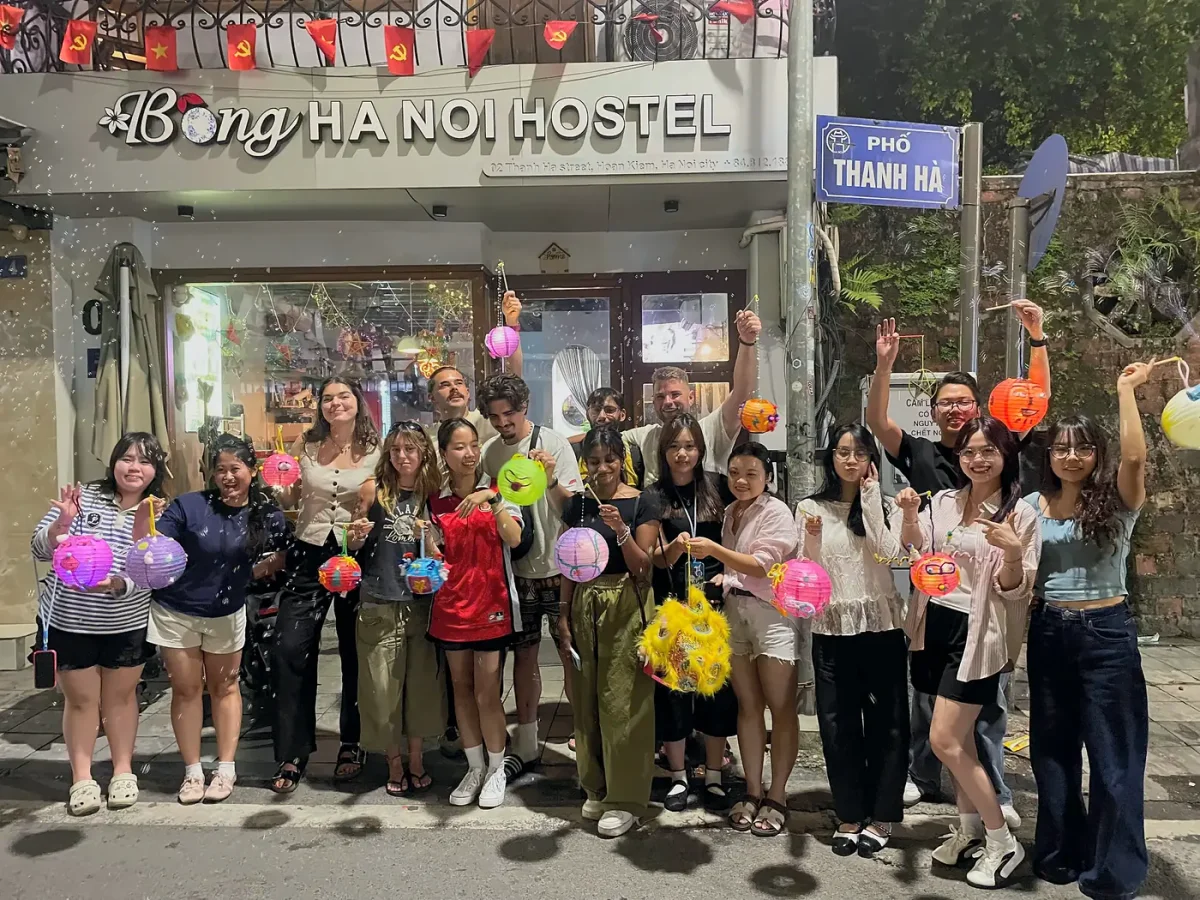
At Bong Hanoi Hostel, you can settle into the Old Quarter, meet fellow backpackers, and organise your next adventure with the team.
Spend a few days exploring the historic streets, sampling the local food, and getting to know the city before swapping the traffic for mountain roads or limestone bays.
From Hanoi, you can head into the mountains on a Ha Giang Loop tour, explore the rice terraces around Sapa, take a trip to Ninh Binh, or cruise through the limestone scenery of Ha Long Bay and Lan Ha Bay.
FAQs About Hanoi Old Quarter Changes
Is Hanoi Old Quarter changing in 2027?
Yes, Hanoi has plans and proposals relating to housing, ageing buildings, and the conservation of historic streets and landmarks. However, not every proposal will happen immediately, and the full impact on the Old Quarter in 2027 remains uncertain.
Will Hanoi Old Quarter be closed because of redevelopment?
There is no confirmed general closure of Hanoi Old Quarter as part of the changes. Individual construction projects or restoration work may cause temporary access restrictions, so check local notices and current information before visiting specific attractions.
Are residents being relocated from Hanoi Old Quarter?
Hanoi has approved a social housing measure to help eligible households living in overcrowded conditions access alternative accommodation.
This does not mean the entire Old Quarter is being cleared, and wider relocation proposals should not be confused with a confirmed plan to move every resident.
Is it still worth visiting Hanoi Old Quarter in 2027?
Absolutely. The Old Quarter remains one of Hanoi's most distinctive neighbourhoods, known for its historic streets, traditional shops, temples, markets, and street food.
While individual buildings or streets may be affected by future projects, there is no reason to assume the whole area will be inaccessible.
━━━━━━━━━━━━━━━━━━━━━━━━━━━━━━━━━━━━━━━━━━━━━━━━━━━━━━━━━━━━━━━━━━━━━━━━━━━━━━━━
Ready to Explore Hanoi?
The changes to Hanoi Old Quarter are a reminder that the city is always evolving. Some buildings will be restored, others may be redeveloped, and the people who live here will continue shaping its future.
Exactly how much visitors will notice in 2027 remains uncertain, but there's no reason to put off visiting.
Come for the food, the architecture, the markets, and the wonderfully chaotic streets. Take your time, explore beyond the busiest tourist spots, and appreciate the neighbourhood as a place where history and everyday life exist side by side.
Then, when you're ready to see more of northern Vietnam, let Bong Hostel help you plan what's next.
About Faye Hilling
Travel writer and Vietnam explorer sharing authentic experiences and insider tips for discovering the beauty of Vietnam.